150,000 Goats Removed to Save Galápagos Giant Tortoises
Scientists eliminated invasive goats from the Galápagos Islands using helicopters and GPS-collared "Judas goats," saving the iconic giant tortoises from extinction. The radical 9-year project restored entire ecosystems and gave 15,000 tortoises a second chance at survival.
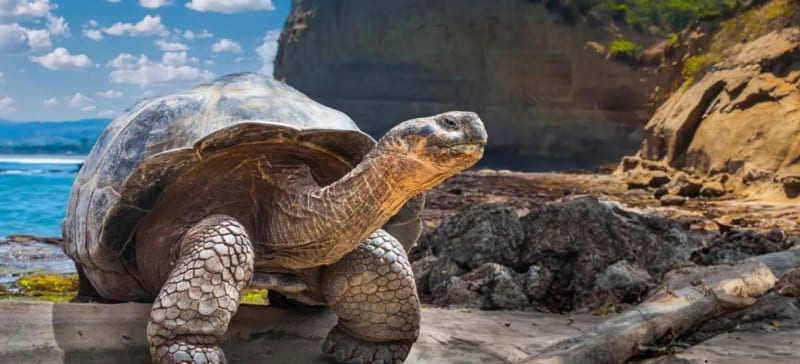
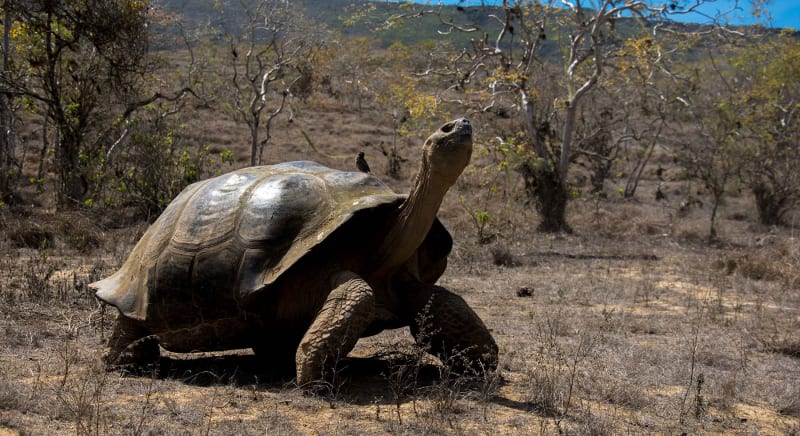
When scientists realized the Galápagos giant tortoises would disappear within years, they made a decision no one wanted but everyone knew was necessary.
By the late 1990s, invasive goats, pigs, and donkeys had taken over several islands in the Galápagos archipelago. The goats ate vegetation down to the roots, destroyed trees, drained water sources, and eliminated the shade that tortoises needed to survive dry seasons. Traditional control methods weren't working, and the tortoises were running out of time.
The Charles Darwin Foundation and Galápagos National Park launched the Isabela Project in 1997 with one radical goal: completely eradicate the invasive mammals. Specialized teams used helicopters to hunt goats in areas humans couldn't reach on foot. Within months, some islands saw their invasive populations drop by 90%.
Finding the last survivors required creative thinking. Scientists deployed "Judas goats," sterilized females fitted with GPS collars who naturally sought out other goats. The collared animals led researchers directly to the remaining hidden groups.
Between 1997 and 2006, teams removed more than 150,000 goats, along with feral pigs and donkeys. By the project's end, the affected islands were declared free of large invasive mammals.
The recovery happened fast. Forests began regenerating almost immediately as native plants returned. Endemic species that had vanished reappeared in areas where goats once dominated. The tortoises' feeding grounds came back to life, and their populations started growing steadily.
The Ripple Effect
The Isabela Project became a global model for ecological restoration, proving that extreme problems sometimes require extreme solutions. Today, breeding centers like Arnaldo Tupisa raise young tortoises until they're strong enough to survive in the wild. In 2025 alone, 170 tortoises were released back onto Isabela Island.
The Galápagos Tortoise Movement Ecology Program now tracks tortoise movements to predict and prevent future environmental threats. On Española Island, repatriated tortoises reached sexual maturity and bred naturally for the first time in generations.
The wild tortoise population stands at about 15,000 today, down from an original 250,000 but stable and growing. While they remain vulnerable to climate change and habitat loss, the tortoises are no longer facing imminent extinction from invasive species.
It wasn't natural selection that saved these living symbols of evolution—it was bold human intervention giving nature a chance to heal itself.
More Images
Based on reporting by Google News - Species Saved
This story was written by BrightWire based on verified news reports.
Spread the positivity!
Share this good news with someone who needs it