Indonesia Villages Cut Forest Loss 68% With Health Programs
Villages in Indonesian Borneo that received healthcare and job training saw forest loss drop 68% during COVID-19, showing how supporting people can also protect nature. The study suggests investing in communities might be key to saving forests during future crises.
When the pandemic hit Indonesia's rainforests, researchers expected desperate villagers to cut down more trees for income. Instead, something surprising happened in communities that had healthcare and job support.
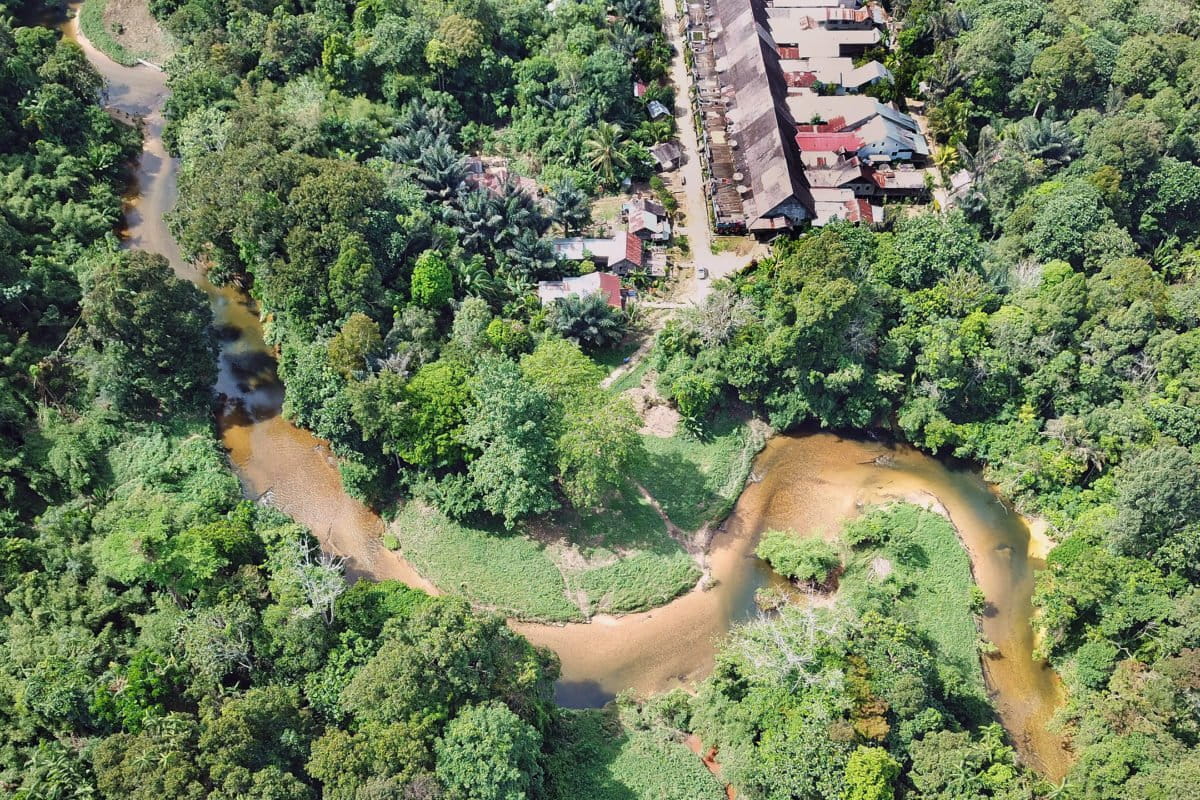
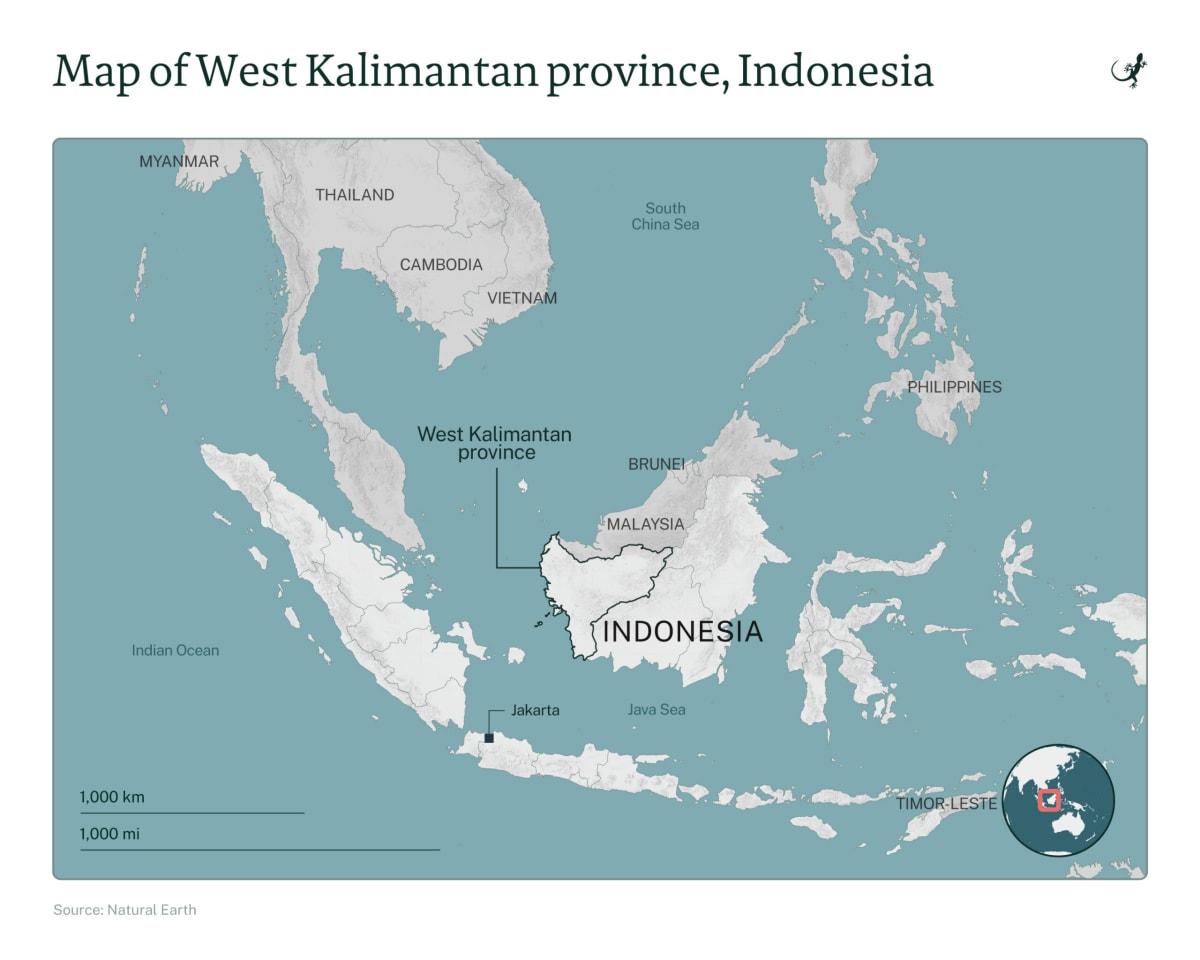
A new study in West Kalimantan province on Indonesian Borneo found that forest loss dropped 68% in villages connected to programs offering medical care and alternative livelihoods during COVID-19. That's a much bigger drop than the 52% difference these same villages showed before the pandemic.
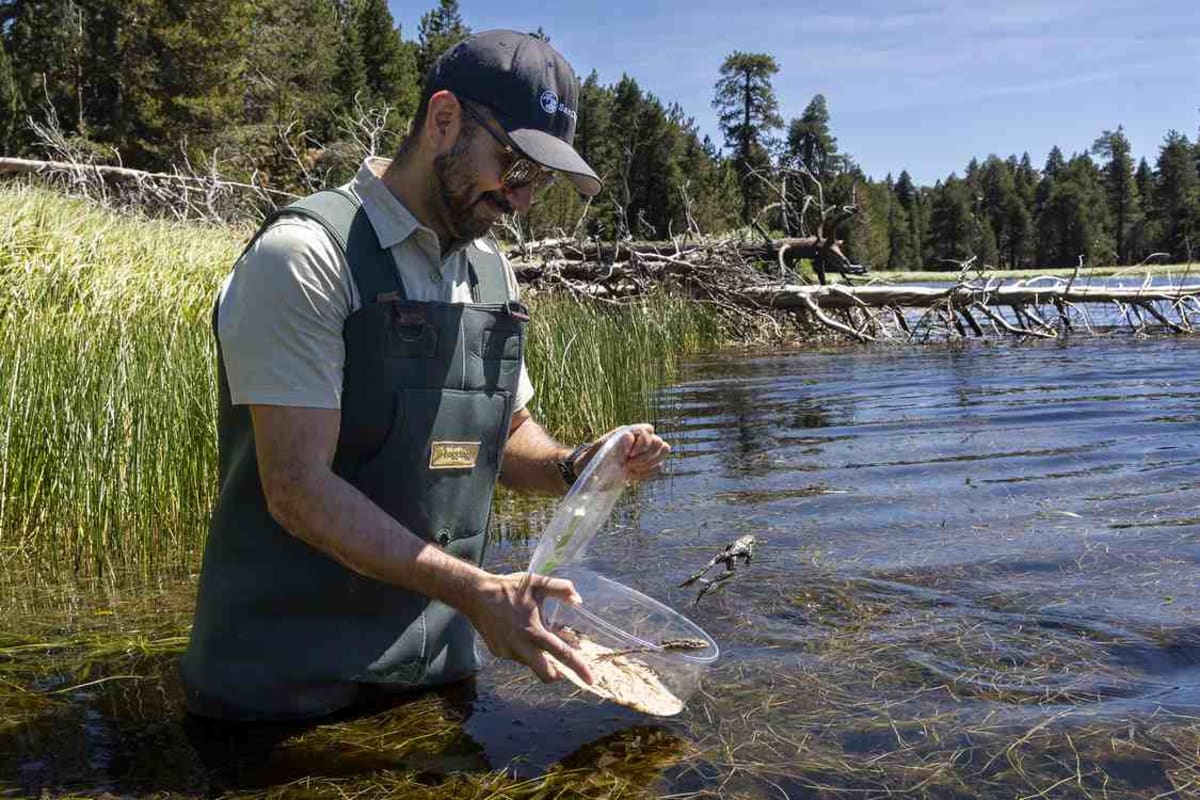
The research team from North Carolina State University and Stanford tracked 10 villages from early 2018 through late 2021. They combined household surveys with satellite data to watch deforestation trends week by week, comparing 28 villages receiving support from conservation groups with nearby communities that had no programs.
Overall, protected forest areas across the province saw 39% less tree loss during the pandemic than before. Travel restrictions and weak timber demand made illegal logging harder and less profitable. But villages with access to health clinics and training in sustainable income sources like fish farming didn't need to turn to the forest when times got tough.
Only 7% of surveyed households reported logging, though researchers suspect the real number is higher since cutting trees in protected areas is illegal. When families stopped logging, they said it was because other work paid better or the risk wasn't worth it anymore.
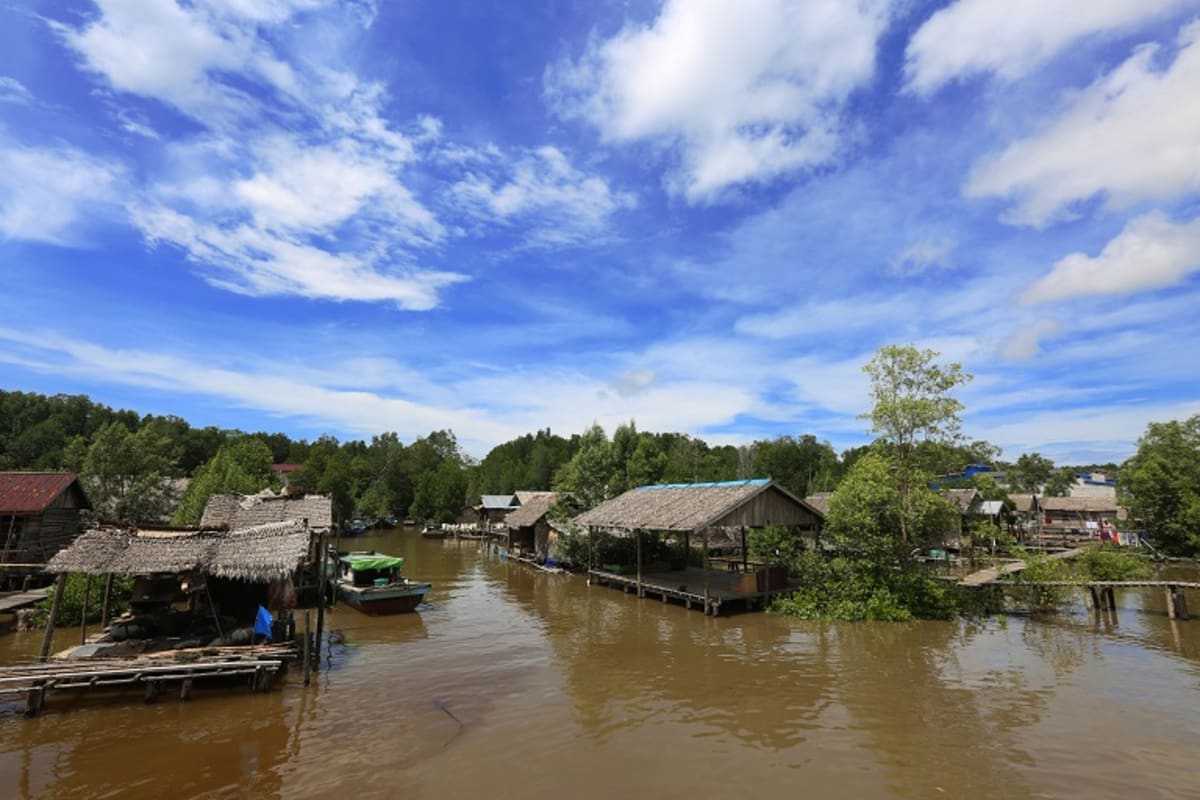
Organizations like Alam Sehat Lestari and Yayasan Planet Indonesia had been working with these communities before COVID hit. Their programs offered medical care in exchange for pledges to protect forests, plus training in alternatives like growing pineapples or raising snakehead fish.
The Ripple Effect
The findings show a path forward that helps both people and nature. When communities have healthcare and reliable income options, they become more resilient to economic shocks without needing to exploit forests for survival.
Gita Syahrani from BLESS Indonesia, who reviewed the study, notes similar approaches are already spreading across Indonesian provinces. Communities in Sumatra are developing sustainable products from local trees and fish. Others are joining carbon credit programs that pay them to protect forests.
The researchers emphasize this isn't just about one pandemic. Climate change, economic downturns, and other disruptions will keep testing forest communities. Building safety nets now means forests and families can weather future storms together.
Lead author Skylar Hopkins sees this as proof that conservation works best when it starts with human needs. "Investing in health and livelihood solutions designed by communities can build resilience for both people and ecosystems," says co-author Giulio De Leo.
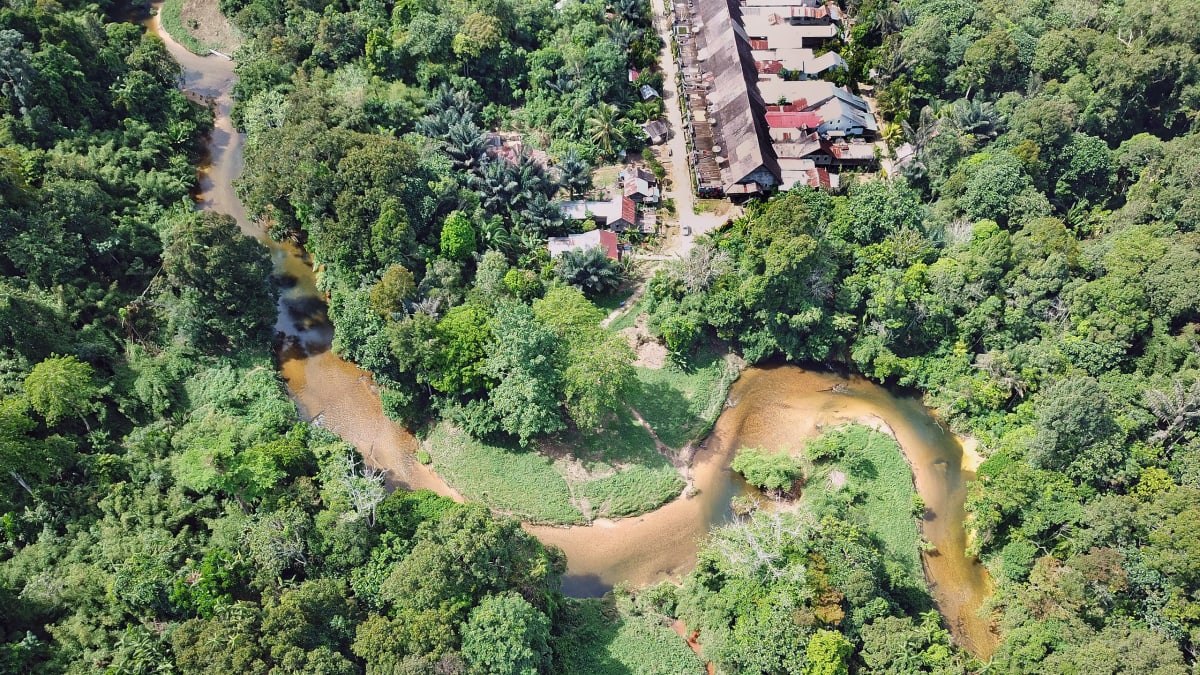
Indonesia holds the world's third largest tropical rainforest, storing massive amounts of carbon and sheltering incredible biodiversity. These findings suggest the best way to protect those forests might be protecting the people who live in them first.
More Images
Based on reporting by Mongabay
This story was written by BrightWire based on verified news reports.
Spread the positivity!
Share this good news with someone who needs it