170 Migrants Rescued After Boat Fire in English Channel
A swift international rescue saved more than 170 people from freezing waters after their boat caught fire crossing the English Channel. French and British teams worked together in one of the largest sea rescues since 2018, and everyone survived.
When an engine burst into flames on an overcrowded boat in the English Channel on Tuesday, more than 170 people jumped into cold waters hoping rescue would come. It did, and not a single life was lost.
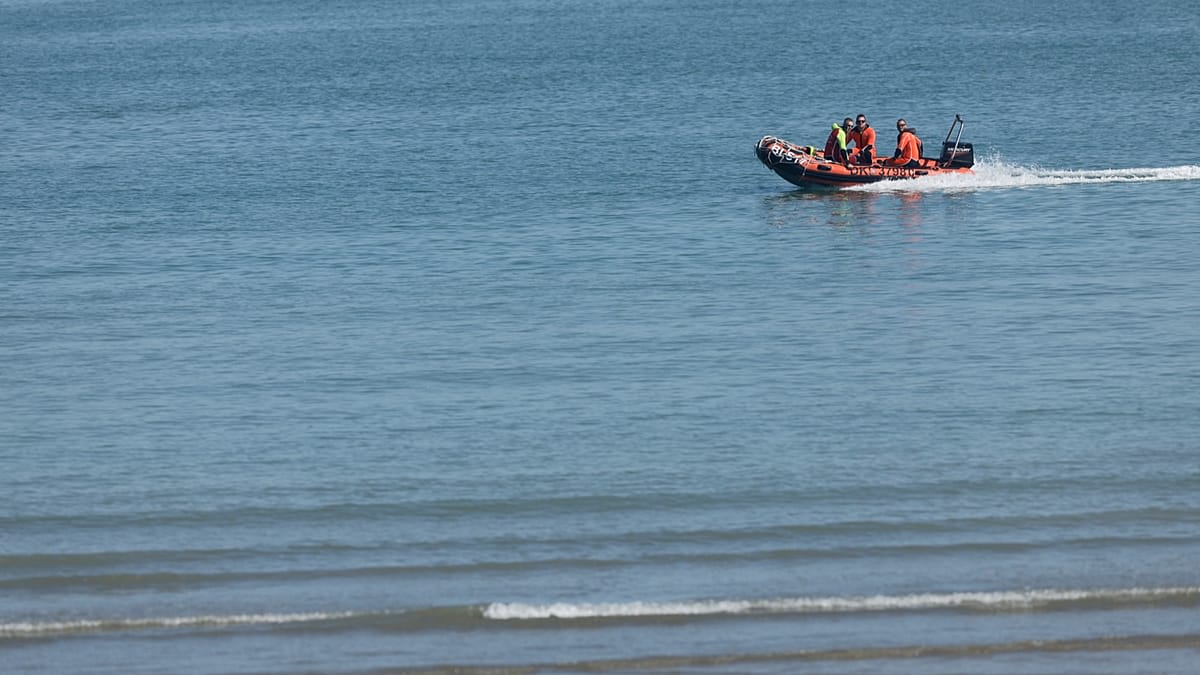
French and British rescue teams launched one of the largest coordinated operations in recent history. Two French rescue vessels, a navy helicopter, medical teams, UK Border Force crews, and charity rescue specialists from RNLI all rushed to help.
French crews pulled 103 people from the water while British teams saved 54 more. Everyone received medical care at the port of Boulogne-sur-Mer in France.
The inflatable boat had departed from Normandy around 6 am and was being monitored by French authorities from the start. When the engine fire caused the vessel to break apart, rescue teams were already tracking its location and ready to respond.
The Bright Side
Beyond the immediate rescue success, this operation highlights growing cooperation between French and British authorities to prevent tragedies at sea. A new multi-million-euro agreement between London and Paris has strengthened patrols, added surveillance technology, and improved coordination along France's northern coast.
The partnership appears to be working. Successful crossings have dropped 50% this year compared to 2025, with only 10,000 migrants making it across versus 24,000 in the same period last year. July 2026 marked the lowest crossing month in six years.
French Interior Minister Laurent Nuñez pointed to these numbers as evidence that enhanced monitoring and rescue preparedness are making a difference. UK Prime Minister Andy Burnham called the progress significant while pledging continued efforts.
The rescue also demonstrates how prepared response systems save lives. French maritime authorities now monitor boats from departure, allowing faster intervention when emergencies occur. While rescuers don't force evacuations due to capsizing risks, their constant presence means help arrives within minutes when boats fail.
Medical teams stood ready at port before the rescued passengers even arrived, ensuring immediate care for anyone suffering from cold water exposure or injuries.
Tuesday's operation proves that when countries coordinate resources and prioritize human safety, large-scale rescues can succeed without loss of life even in dangerous conditions.
Based on reporting by Euronews
This story was written by BrightWire based on verified news reports.
Spread the positivity!
Share this good news with someone who needs it
_fitted.jpeg)