1,700-Year-Old Roman Camps Found in Germany with 1,500 Relics
Archaeologists have uncovered four ancient Roman military camps in Germany, along with over 1,500 artifacts including coins, shoe nails, and everyday items that bring history to life. The discovery sheds new light on Roman emperor Caracalla's 213 AD campaign and the empire's ambitious push into Germanic territories.
Imagine walking where Roman soldiers marched nearly two millennia ago. That's exactly what archaeologists in Germany are experiencing after discovering four remarkably preserved Roman military camps dating back 1,700 years.
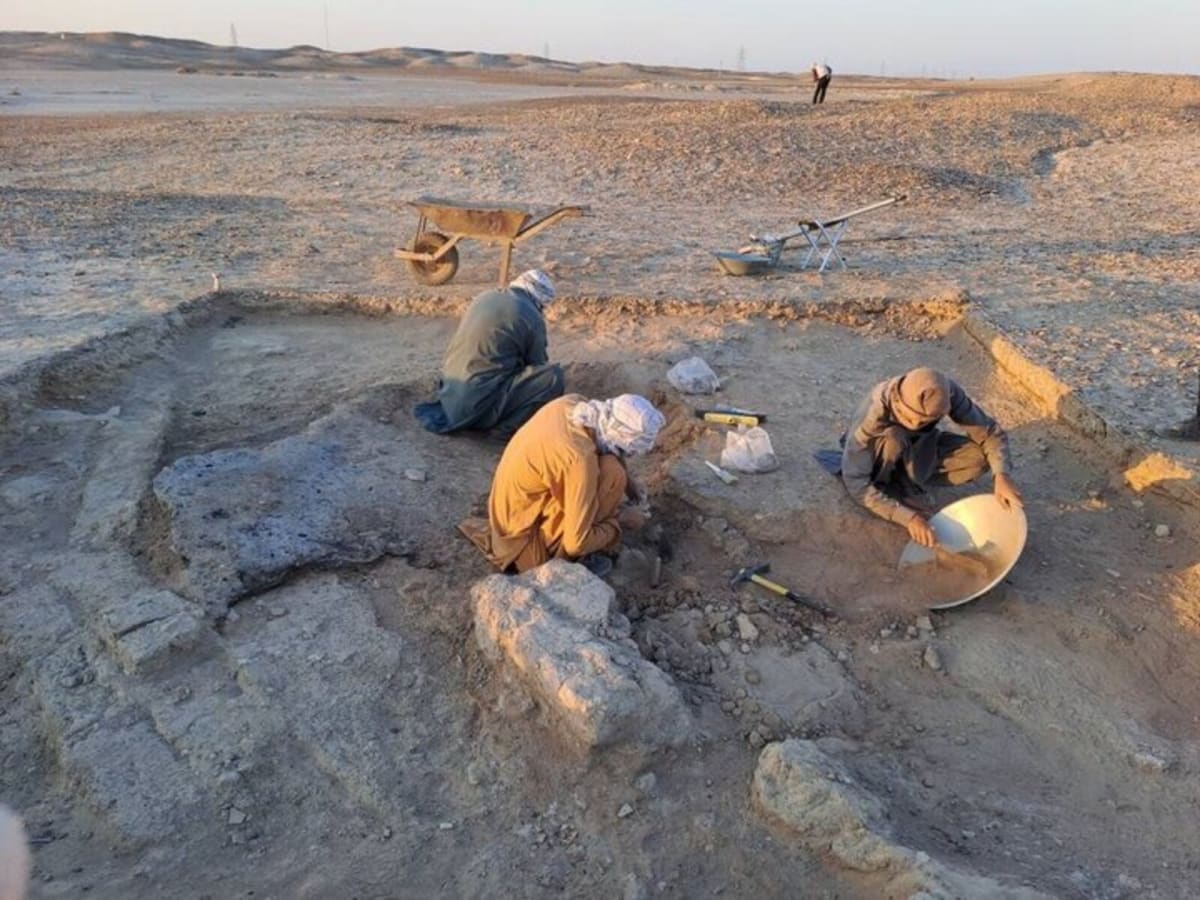
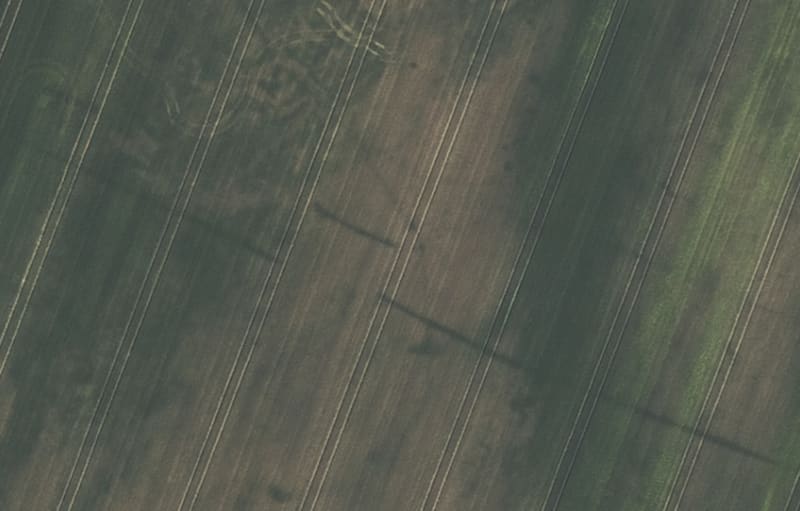
The camps were found near the towns of Aken, Deersheim, and Trabitz using a combination of satellite imagery, aerial photography, and good old-fashioned ground surveys. Amateur and professional archaeologists worked together to locate these hidden pieces of history, proving that teamwork across skill levels can uncover incredible treasures.
What makes this discovery special isn't just the camps themselves. Metal detectors revealed over 1,500 artifacts scattered across the sites, bringing ancient Roman military life into vivid focus.
Many of the finds were hobnails, small metal studs that fell from Roman soldiers' sandals as they marched. These practical pieces of ancient footwear provided traction for legionaries traversing unfamiliar Germanic terrain. Picture thousands of soldiers, their sandals studded with metal, creating a thunderous rhythm as they moved through what would become modern Germany.
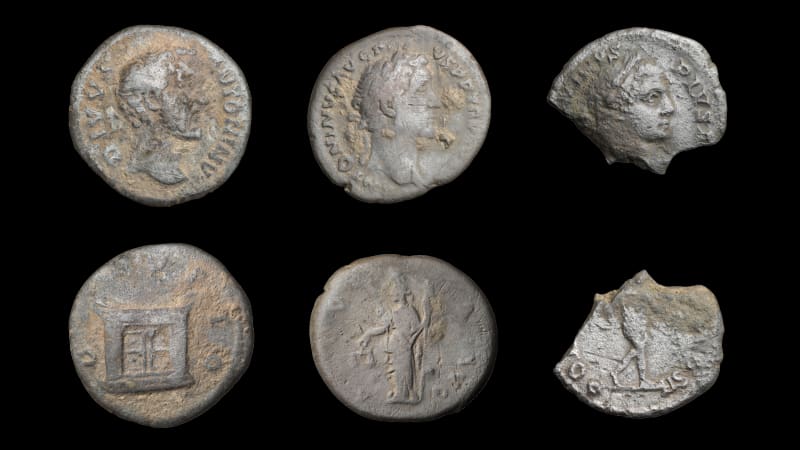
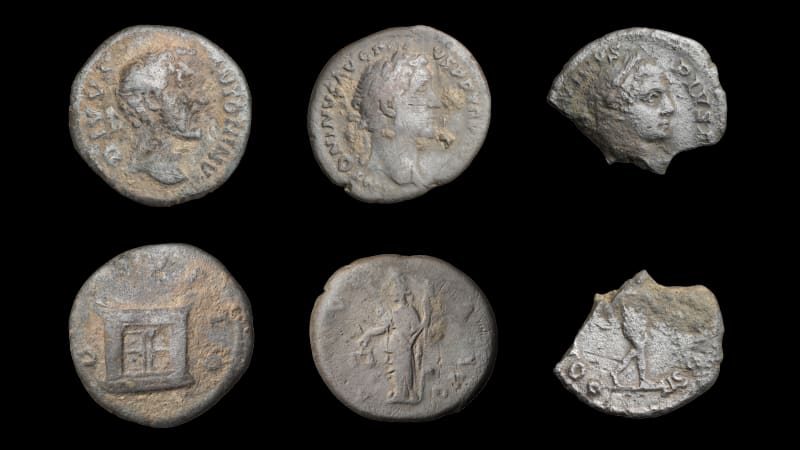
The team also unearthed coins minted during the reigns of emperors Antoninus Pius, Marcus Aurelius, and Caracalla. The most recent coin, a Caracalla denarius, helped researchers date one camp to around 213 AD, when Emperor Caracalla led a campaign against tribes living along the Elbe River.
These weren't permanent fortresses but temporary marching camps, designed with military precision. Each camp featured the classic Roman rectangular layout with rounded corners, gates opening onto perpendicular roads, and a defensive ditch system called a titulum protecting the entrances. This standardization allowed Roman forces to establish secure positions quickly as they pushed northward toward the North Sea.
Why This Inspires
This discovery reminds us that collaboration between amateur enthusiasts and professional experts can achieve remarkable results. The volunteers who helped survey these sites using metal detectors played a crucial role in uncovering artifacts that might have remained hidden for centuries.
The camps also tell a story of ambition and resilience on both sides. While the Romans pushed to expand their empire, Germanic tribes successfully resisted occupation, contributing to the crisis that eventually reshaped the Roman Empire. Both cultures showed determination in pursuing what they believed in.
Every hobnail and coin connects us to real people who lived, worked, and made history. These weren't just faceless soldiers but individuals who walked these paths, lost buttons and nails from their gear, and dropped coins that would wait 1,700 years to tell their story.
Researchers continue studying the sites, promising more insights into Caracalla's Germanic campaign and daily life for Roman soldiers far from home.
More Images

Based on reporting by Live Science
This story was written by BrightWire based on verified news reports.
Spread the positivity!
Share this good news with someone who needs it