1.8 Million Indian Farmers Win Top Global Food Prize
A decade-long movement teaching farmers to grow food without chemicals just won the world's highest food honor. What started in one Indian state now has 22 others taking notes.
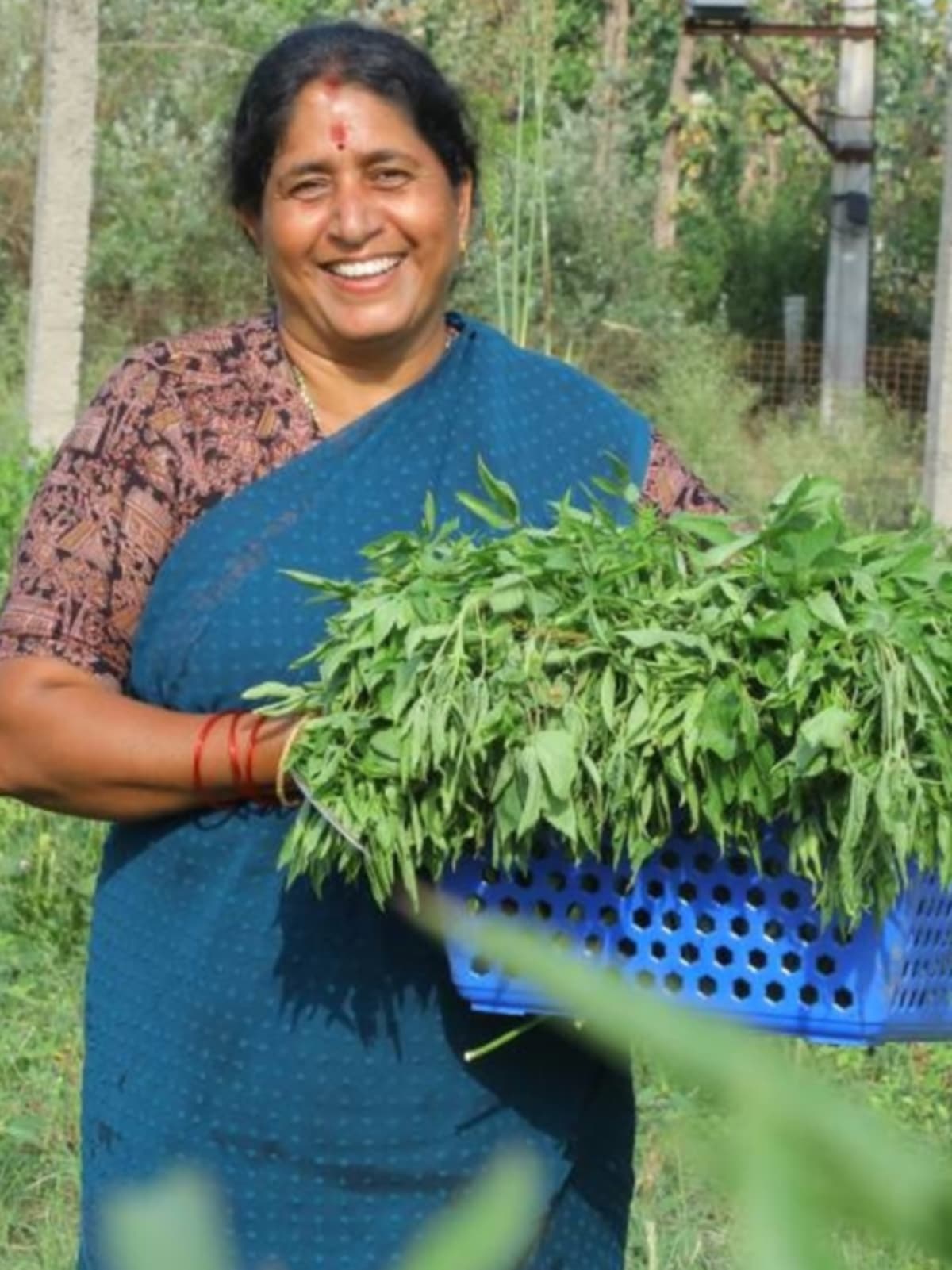
Kuruda Radha grows her food without a single chemical, and the world just noticed. In June 2026, she and 1.8 million farmers like her won the Food Planet Prize, chosen from over 1,000 nominations across six continents.
The prize came with $1.5 million. But the real story started ten years earlier, when Andhra Pradesh farmers were trapped in a cycle most of the world would recognize.
Every planting season meant buying seeds, fertilizers, and pesticides on credit. The debt never stopped. In 2016, the state government tried something different.
The program, called APCNF, asked a simple question: what if soil already knows how to grow food? Instead of adding more chemicals, what if farmers just stopped taking so much from the land?
They replaced synthetic fertilizers with Jeevamrutham, a mixture of cow dung and jaggery that feeds soil microbes. Any farmer could brew it at home. No credit needed.
Women became the backbone of the movement. Over 340,000 women's self-help groups joined, with women making up more than 60% of community trainers. They didn't wait for government workers to spread the word. They taught their neighbors, turning a state program into something that grew on its own.
The numbers tell their own story. Farmers who switched saw incomes rise between 38% and 66%. Input costs dropped sharply. Water use fell by half in some areas.
When Cyclone Michaung hit Andhra Pradesh, the healthier soil absorbed more water. Diverse crops meant less total damage. Fields held their ground.
The movement spread village by village until it reached 8,168 gram panchayats. Over 10,000 farmers trained other farmers. What started as one state's experiment became something other places wanted to copy.
The Ripple Effect
Twenty-two Indian states are now studying Andhra's model. Delegations from Sri Lanka and Zambia have visited to learn. The Food Planet Prize jury reviewed initiatives from six continents before choosing this one.
When Rythu Sadhikara Samstha, the state agency running APCNF, received the award in Sweden, its head said the honor belonged to 1.8 million farm families. Not to bureaucrats or scientists. To the people who actually put their hands in the soil.
Back in Allapattu village, Radha doesn't need a prize to know it works. "We have been eating chemical-free food grown in our own garden," she said.
A decade ago, she was buying chemicals on credit and hoping for the best, and today she's part of a farming movement the whole world is watching.
Based on reporting by The Better India
This story was written by BrightWire based on verified news reports.
Spread the positivity!
Share this good news with someone who needs it