Why India's Frogs Are Unsung Heroes of the Monsoon
Frogs are doing far more than croaking during India's monsoon season. These tiny amphibians are protecting crops, feeding wildlife, and signaling the health of entire ecosystems.
Before weather apps existed, people across India listened for a different kind of forecast: the chorus of frogs announcing the monsoon's arrival. These tiny amphibians weren't just making noise—they were performing roles that keep entire ecosystems alive.
Each croak tells a story. What sounds like random noise is actually a carefully orchestrated concert, with each frog species following its own unique rhythm and pitch to attract mates. Scientists can identify different species just by listening.
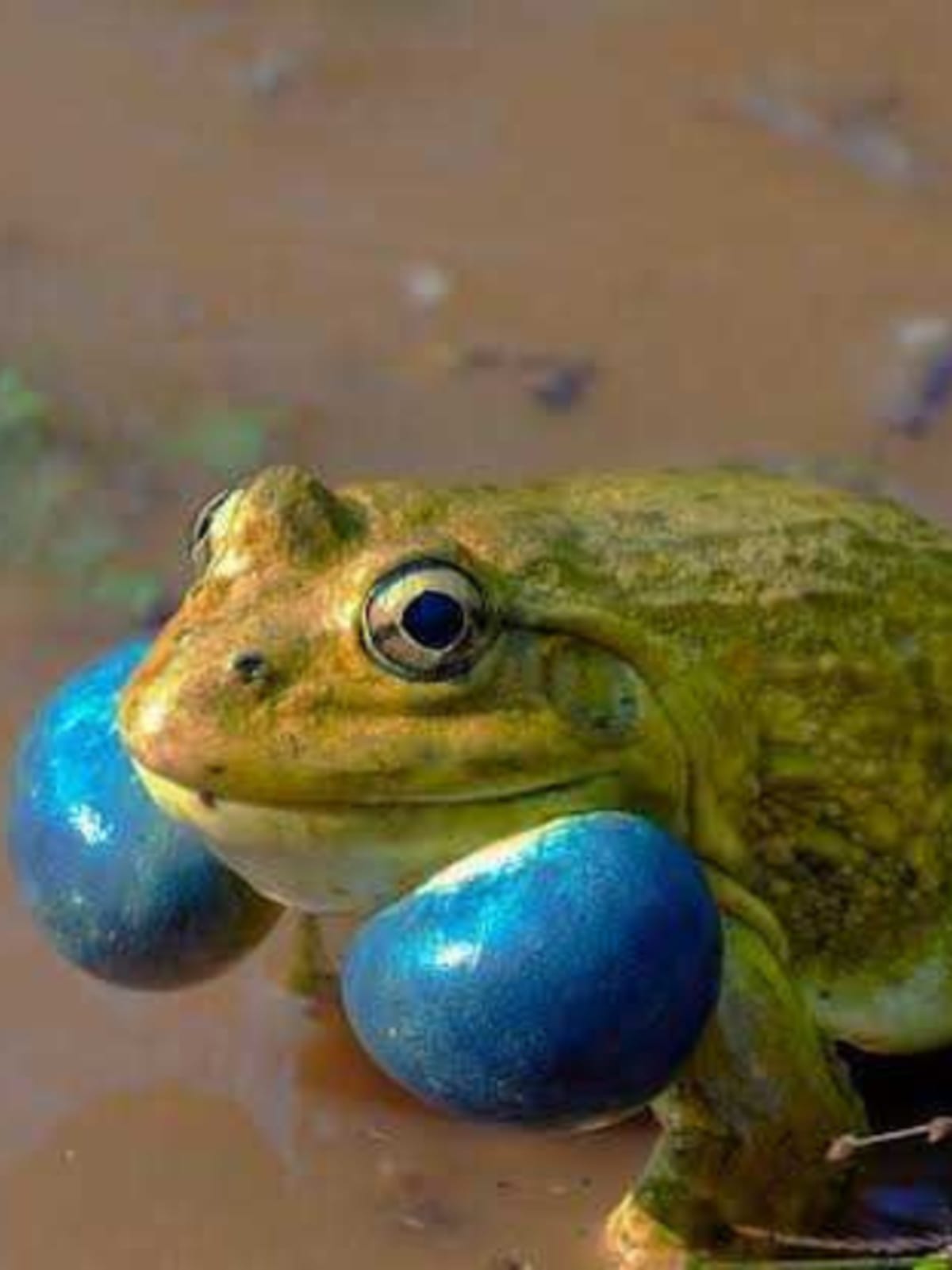
The monsoon transforms frogs in remarkable ways. The Indian bullfrog spends most of the year camouflaged in dull browns and olives, but when breeding season arrives, males turn vivid yellow with bright blue vocal sacs. It's one of nature's most dramatic costume changes.
Some frogs remain hidden most of their lives. The Purple Frog of the Western Ghats lives underground nearly year-round, surfacing only briefly during monsoon to breed. Scientists didn't even formally describe the adult until 2003, making every sighting special.
Ordinary puddles become extraordinary nurseries after the rains. Rice fields, forest pools, and even roadside ditches fill with frog eggs and tadpoles. These temporary homes give a new generation just enough time to develop before the water disappears.
Farmers benefit from having frogs as neighbors. These amphibians feast on insects and invertebrates around crops and rice fields, naturally controlling pest populations without chemicals. It's free, effective pest management that's been working for centuries.
The Ripple Effect
Frogs punch far above their weight in food webs. Their tadpoles graze on algae and recycle nutrients in water, while frogs and tadpoles themselves feed fish, snakes, birds, and countless other predators. Remove frogs, and monsoon wetlands would struggle to support the incredible diversity of life they currently sustain.
Their sensitive skin makes them early warning systems. Because frogs absorb water and exchange gases through permeable skin, they react quickly when wetlands or forests come under stress. When frog populations decline, it often signals bigger environmental problems brewing.
These small creatures carry the memory of monsoons past while sustaining the ecosystems of today.
Based on reporting by The Better India
This story was written by BrightWire based on verified news reports.
Spread the positivity!
Share this good news with someone who needs it