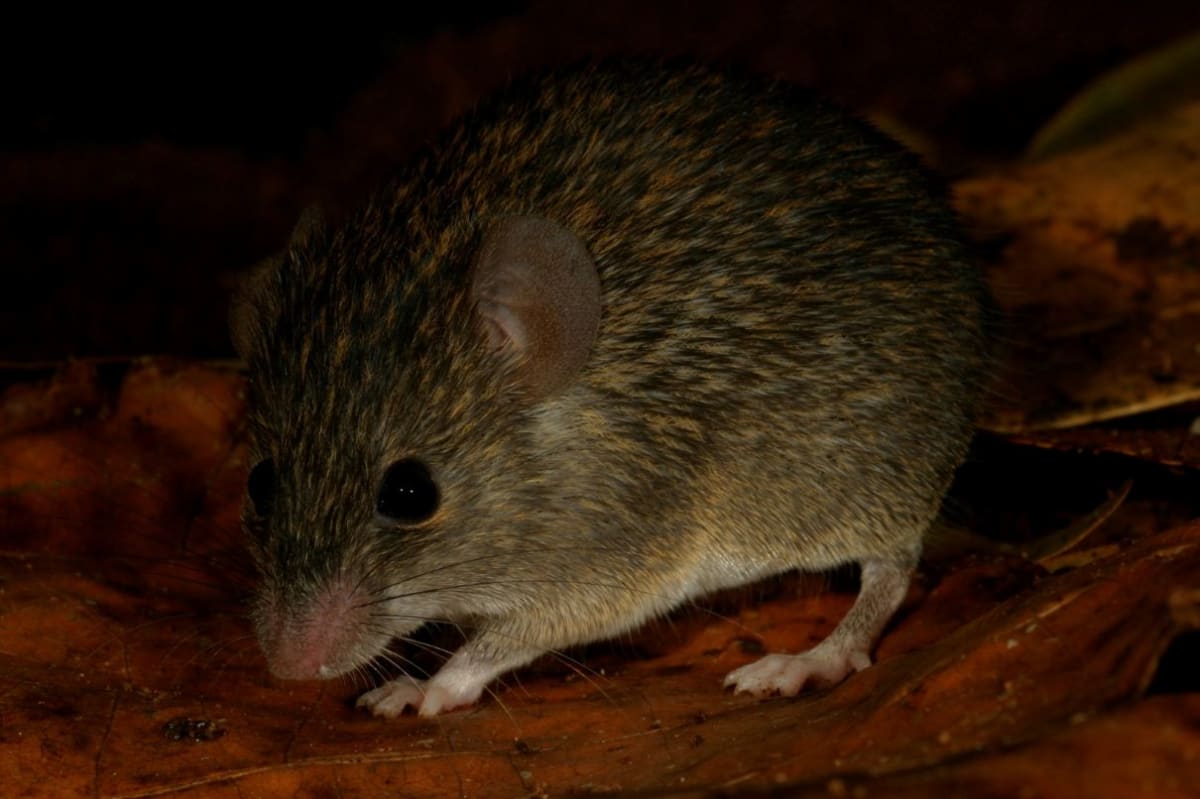
Burnt Coconut Bait Helps Find New Mouse in Sri Lanka
Scientists have officially named a new species of spiny mouse from Sri Lanka's mountains, discovered two decades ago using burnt coconut as bait. The tiny Dumbara spiny mouse adds to the island nation's remarkable biodiversity and highlights how much we still have to learn about our planet's smallest creatures.
When peanut butter failed to attract mice in Sri Lanka's Knuckles Mountain Range, researchers got creative and tried burnt coconut instead. That simple switch led to one of the island's most exciting wildlife discoveries in years.
In March 2004, two tiny mice tumbled into research traps near Puwakpitiya village, each no larger than a child's palm. Their slender tails, spiny guard hairs, and delicate features immediately caught the scientists' attention. These mice looked different from anything they'd seen before.
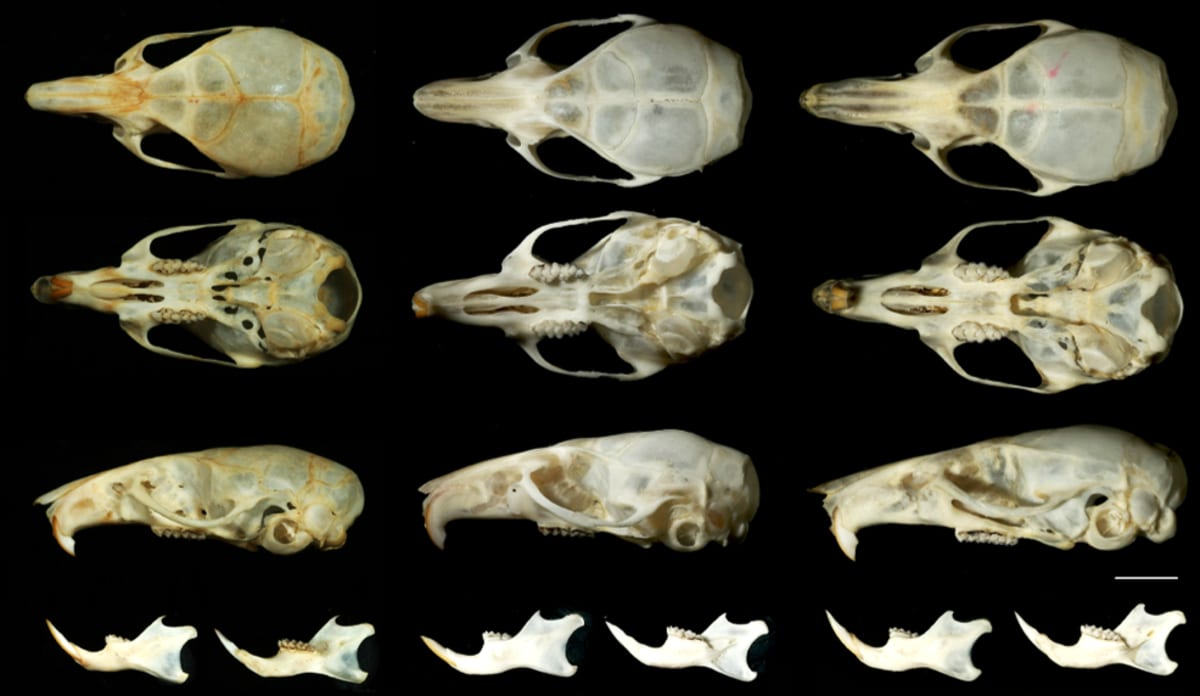
But proving they were a new species took patience. For more than two decades, researcher Suyama Boyagoda and her team carefully analyzed the specimens, examining skulls thinner than fingernails and comparing DNA sequences. Their efforts finally paid off when genetic testing revealed these mice were more than 11.7% genetically different from their closest relatives.
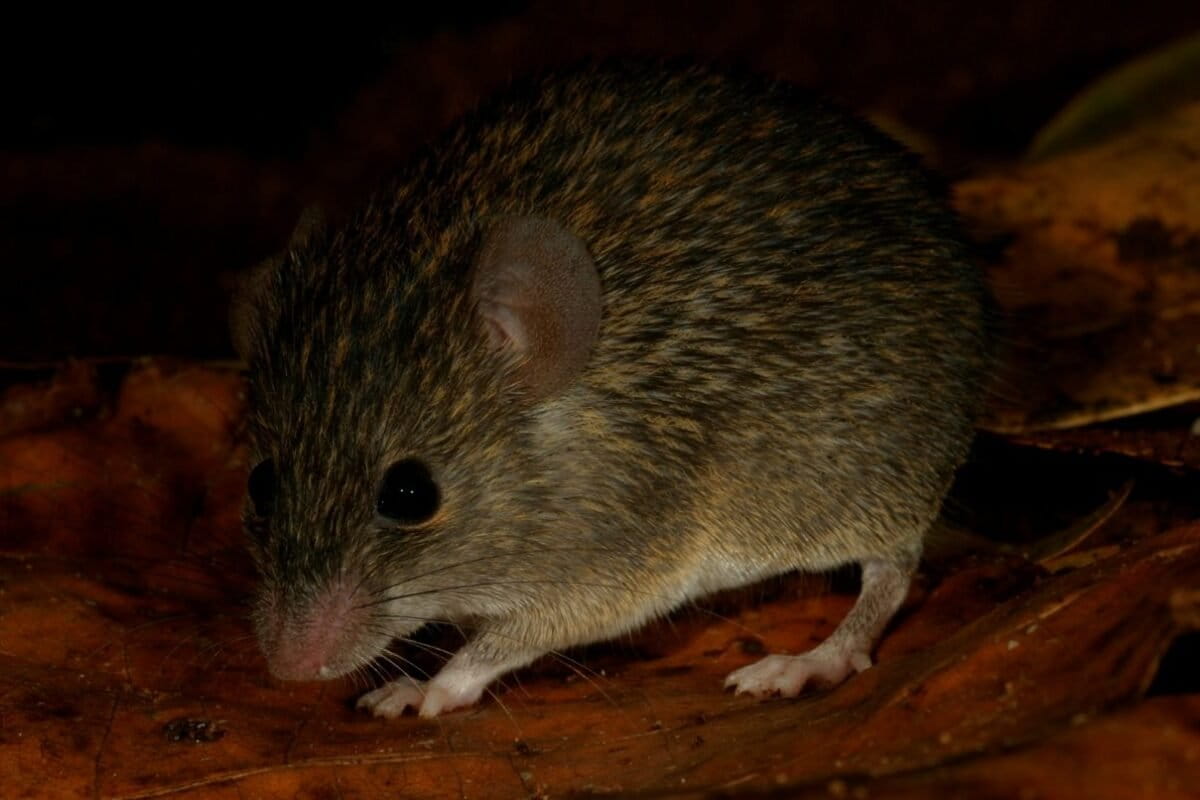
Meet Mus dumbara, the Dumbara spiny mouse, now officially recognized as Sri Lanka's newest endemic mammal. The species brings the island's total count of unique rats and mice to seven. With its pinkish-white toes and distinctive skull ridge, this mouse joins the growing list of creatures found nowhere else on Earth.
The discovery happened along the uncertain border between farmland and forest, where researchers set drift fences and baited traps at dusk. The burnt coconut proved irresistible to local wildlife. When the first female mouse appeared in a pitfall trap, followed by a second six days later, the research team knew they had something special.
The Ripple Effect
This tiny mouse represents something much bigger than its palm-sized body suggests. Sri Lanka and India's Western Ghats together form one of the world's most celebrated biodiversity hotspots, where isolation has allowed unique species to flourish. While scientists have recently described dozens of new frogs, lizards, and freshwater crabs from the region, new mammal discoveries remain rare.
The Dumbara spiny mouse also plays a vital role in its mountain ecosystem. Small mammals like this mouse serve as important prey for predators like black eagles, weaving themselves into complex food webs that keep forests healthy. Understanding these connections helps protect entire habitats, not just individual species.
There's a mystery still waiting to be solved, though. Despite 1,900 trap nights in follow-up surveys, researchers haven't caught another Dumbara spiny mouse since those first two specimens. The species may live in other unsurveyed forest fragments, or it might be genuinely rare and elusive.
Boyagoda, now head of zoology at the University of Peradeniya, believes more surveys could reveal where else these mice call home. Each expedition into Sri Lanka's mountains reminds us how many secrets nature still holds, often hiding in the smallest packages.
Sometimes the biggest discoveries come from thinking small and staying patient for twenty years.
More Images


Based on reporting by Mongabay
This story was written by BrightWire based on verified news reports.
Spread the positivity!
Share this good news with someone who needs it