180 Niger Communities Get 24-Hour Solar Power After 10 Years
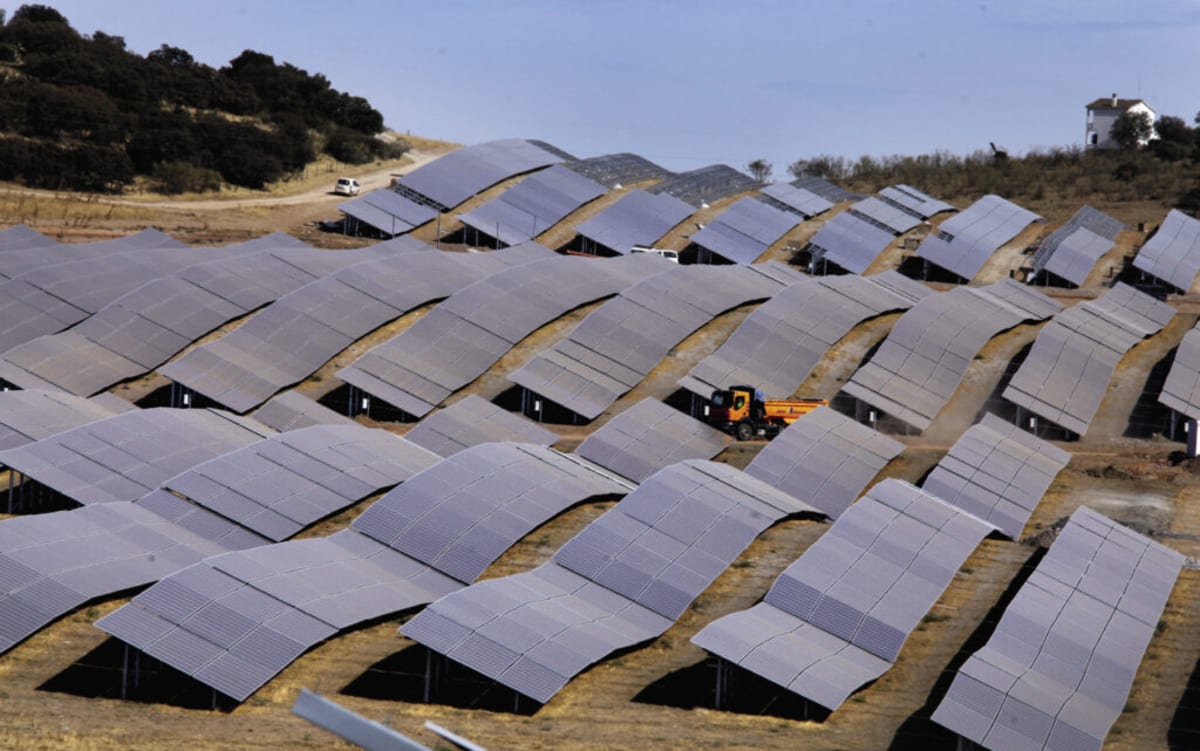
Over 180 communities in Niger State, Nigeria are now enjoying round-the-clock electricity for the first time in more than a decade, thanks to new solar mini-grids. The breakthrough also brought reliable power to hospitals, government buildings, and essential services across the state.
Imagine living without reliable electricity for ten years, then suddenly having power all day, every day.
That's now the reality for over 180 communities in Niger State, Nigeria, where residents are celebrating their first consistent electricity in more than a decade. Governor Mohammed Bago's government deployed solar mini-grids across previously unserved areas, ending years of blackouts that forced families and businesses to rely on expensive diesel generators.
The transformation goes beyond homes. Government House, the General Hospital, IBB Specialist Hospital, the Niger State Water Board, and multiple government agencies have all switched to independent solar systems. Healthcare facilities can now refrigerate medicines reliably, while water treatment plants can pump clean water without interruption.
One showcase project in Lambata, Gurara Local Government Area, was built in partnership with the Rural Electrification Agency and international development partners. These mini-grids prove especially valuable in rural areas where extending the national power grid would take years and cost far more than renewable solutions.
The initiative arrives at a pivotal moment for Nigeria's energy landscape. The Electricity Act 2023 allows states to create their own electricity markets and regulators, shifting power planning from federal to local control. Niger State quickly established its own Electricity Regulatory Commission to oversee these projects.
Even the national electricity distributors are cheering the change. Chijioke Okwuokenye, Managing Director of Abuja Electricity Distribution Plc, called the project "a practical example of how subnational governments can take initiative." The Niger Electricity Distribution Company, which serves the region, said it's eager to partner on hybrid solutions that blend solar, battery storage, and traditional grid supply.
The Ripple Effect
When communities gain reliable electricity, everything improves at once. Children can study after dark. Shops can stay open later and refrigerate products. Clinics can serve patients around the clock. Small businesses no longer waste money on fuel for generators.
The solar approach also reduces pressure on Nigeria's often-strained conventional power grid. As more communities adopt renewable mini-grids, the national infrastructure can focus resources where they're most needed while rural areas gain energy independence.
Sam Odekina, Chief Business Officer of NEDC, emphasized that success doesn't mean choosing between grid and off-grid systems. "Our focus is not competition," he explained. "It's about designing commercially viable models where renewable mini-grids, embedded generation, and conventional distribution networks complement one another for long-term reliability."
The model could reshape how developing nations approach rural electrification, proving that waiting decades for grid expansion isn't the only path forward.
After ten years in the dark, 180 communities are finally seeing the light.
More Images




Based on reporting by Punch Nigeria
This story was written by BrightWire based on verified news reports.
Spread the positivity!
Share this good news with someone who needs it