186-Year-Old Aztec Codex Returns to Mexico After France Loan
A centuries-old manuscript chronicling Aztec history from migration to Spanish conquest is back in Mexico for the first time since 1840. The temporary exchange celebrates 200 years of diplomatic ties between France and Mexico.
After 186 years away from home, one of the most vivid accounts of Aztec civilization has returned to Mexican soil.
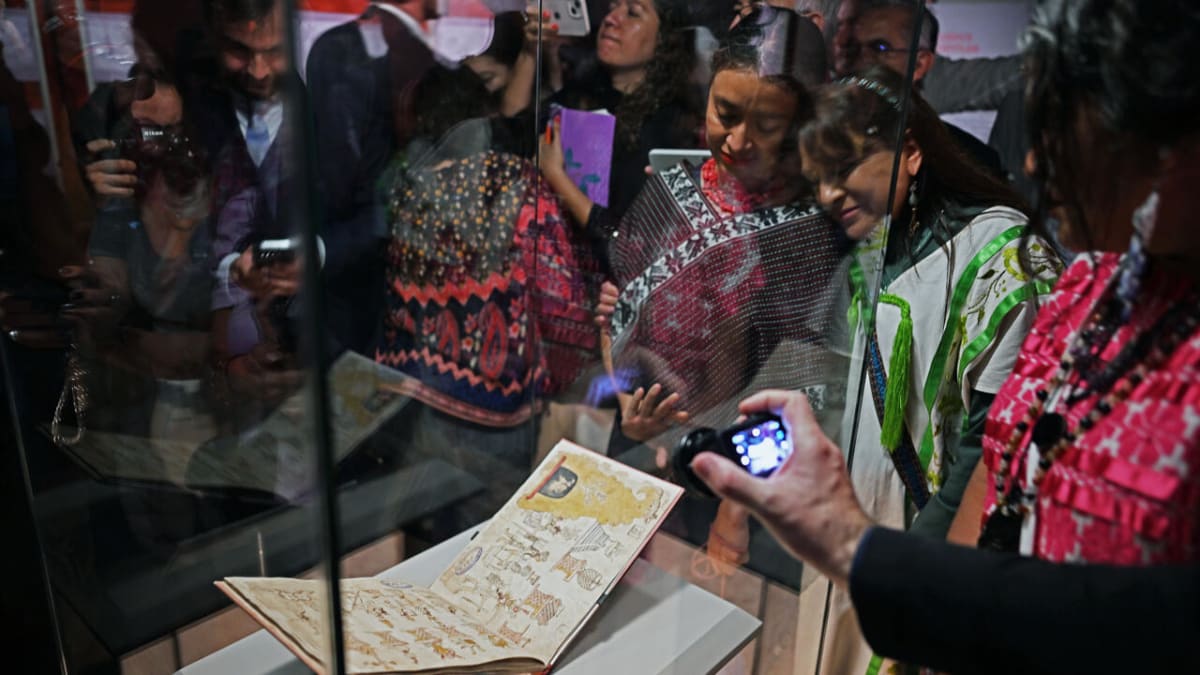
The Azcatitlan Codex, a hand-illustrated manuscript documenting the rise and fall of the Mexica empire, arrived in Mexico City this month on loan from France's national library. The document left Mexico in 1840 and has been displayed at the National Museum of Anthropology since September 18.
Created in the late 16th or early 17th century, the codex tells the complete story of the Mexica people in stunning visual detail. Its pages show the legendary migration from Aztlán, the reigns of Tenochtitlán's rulers, and the 1519 Spanish conquest led by Hernán Cortés.
The manuscript combines traditional Mesoamerican pictorial writing with European paper and bookbinding. One scene depicts Spanish conquistadors marching with Indigenous carriers, while another shows Mexica warriors defending their great pyramid.
The return came through a diplomatic exchange rather than permanent repatriation. Mexico sent its own Boturini Codex to Paris in return, allowing both countries to share their cultural treasures as part of the Great Franco-Mexican Festival.
President Claudia Sheinbaum had previously called for the return of codices held in France. Instead, she and French President Emmanuel Macron agreed to this temporary swap honoring 200 years of friendship between their nations.
The exhibit displays the original codex under low light, opened to pages showing eight Indigenous groups setting out to find where they would build Tenochtitlán. Photographic reproductions of all remaining pages line the museum walls so visitors can experience the complete story.
Twenty-five archaeological objects and facsimiles of nine other manuscripts join the display. The collection includes the famous Codex Mendoza and the Boturini Codex before it travels to France.
The Ripple Effect
This exchange represents a new model for cultural diplomacy. Rather than contentious debates over ownership, Mexico and France found a way to share their intertwined histories with both populations.
The temporary loan also supports broader efforts to preserve Indigenous documentary heritage. Mexico recently made the Florentine Codex, a 12-book encyclopedia of Mexica life, available digitally to the public worldwide.
Both codices will return to their home institutions in December. But the collaboration opens doors for future exchanges that honor both nations' roles in preserving these irreplaceable windows into Aztec civilization.
For three months, anyone can walk into the National Museum of Anthropology in Chapultepec Park and see the codex that their ancestors created nearly 500 years ago.
Based on reporting by Mexico News Daily
This story was written by BrightWire based on verified news reports.
Spread the positivity!
Share this good news with someone who needs it
%2Ffile%2Fattachments%2F2997%2F14300024_667918.jpg)