190-Year-Old DNA Confirms New Pangolin Species in Nepal
Scientists used DNA from a museum specimen dating back to 1836 to confirm a distinct Himalayan pangolin species living in Nepal and northern India. This discovery gives conservationists a powerful new tool to trace illegally traded pangolin scales back to poachers and protect the world's most trafficked mammal.
A nearly 190-year-old museum specimen just helped scientists solve a mystery that could save one of Earth's most endangered animals from extinction.
Researchers have confirmed that Himalayan pangolins living in Nepal and northern India represent their own distinct species, now officially called Manis aurita. The breakthrough came when scientists at London's Natural History Museum successfully extracted and sequenced DNA from a pangolin specimen collected in 1836.
"We can't protect what we do not know, and now that we have confirmed that this other species of pangolin exists, we can use that information to help protect these endangered animals," says Anderson Feijó, Assistant Curator of Mammals at the Field Museum.
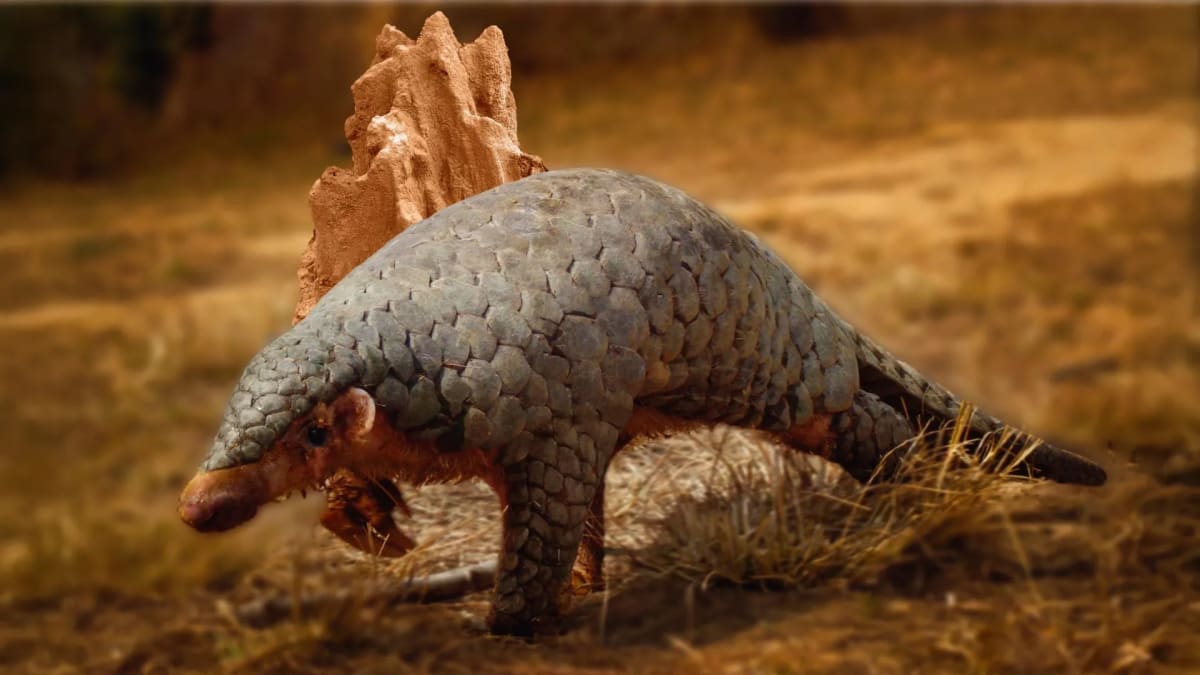
Pangolins are scaly, long-tailed mammals that look almost prehistoric with their pinecone-like armor. But those distinctive scales have made them the most highly trafficked mammals in the world, hunted relentlessly by poachers who sell the scales for traditional medicine.
The classification puzzle began in 2025 when researchers split what was thought to be one Chinese pangolin species into two. But scientific naming follows a rule of priority: the earliest valid name wins. That's when Feijó's team discovered records of Manis aurita, first described in 1836 but later dismissed as just a subspecies.
The DNA evidence settled the debate. Modern Himalayan pangolin samples matched the 1836 specimen perfectly, proving aurita was the correct name all along.
The newly confirmed species differs from Chinese pangolins in subtle but important ways. Himalayan pangolins have bigger bodies, longer tails, smaller ears, and live in completely different geographic areas with no overlap between the two species.
The Ripple Effect
This discovery gives wildlife authorities a game-changing advantage in fighting pangolin trafficking. When officials seize illegal shipments, they typically find only scales, not whole animals, making it nearly impossible to know which species are being hunted and where poachers are operating.
Now, genetic testing can identify whether confiscated scales come from Himalayan or Chinese pangolins. That information helps authorities pinpoint poaching hotspots and direct enforcement resources where they're needed most.
The research represents more than five years of international collaboration between scientists in Nepal, China, the United States, and the United Kingdom. Museum collections that carefully preserve specimens for centuries proved essential to solving the puzzle.
This scientific breakthrough provides conservation groups with the precise species information they need to develop targeted protection strategies for pangolins facing extinction.
Based on reporting by Science Daily
This story was written by BrightWire based on verified news reports.
Spread the positivity!
Share this good news with someone who needs it

%3Afocal(700x470%3A701x471)%2Fhttps%253A%252F%252Ftf-cmsv2-smithsonianmag-media.s3.amazonaws.com%252Ffiler_public%252F7b%252F0f%252F7b0ff0da-1226-44bf-84de-647304f51d15%252F20260512-029jk.jpg)