%3Afocal(700x470%3A701x471)%2Fhttps%253A%252F%252Ftf-cmsv2-smithsonianmag-media.s3.amazonaws.com%252Ffiler_public%252F7b%252F0f%252F7b0ff0da-1226-44bf-84de-647304f51d15%252F20260512-029jk.jpg)
Smithsonian Cracks Box Turtle Mystery With Low-Tech Tools
Scientists are using X-rays, plastic cups, and spools of string to solve why Virginia's Eastern box turtles are disappearing. The creative approach is helping researchers protect these slow-moving reptiles one nest at a time.
Scientists tracking wild turtles through Virginia forests are proving that sometimes the best solutions combine high-tech tools with dollar-store ingenuity.
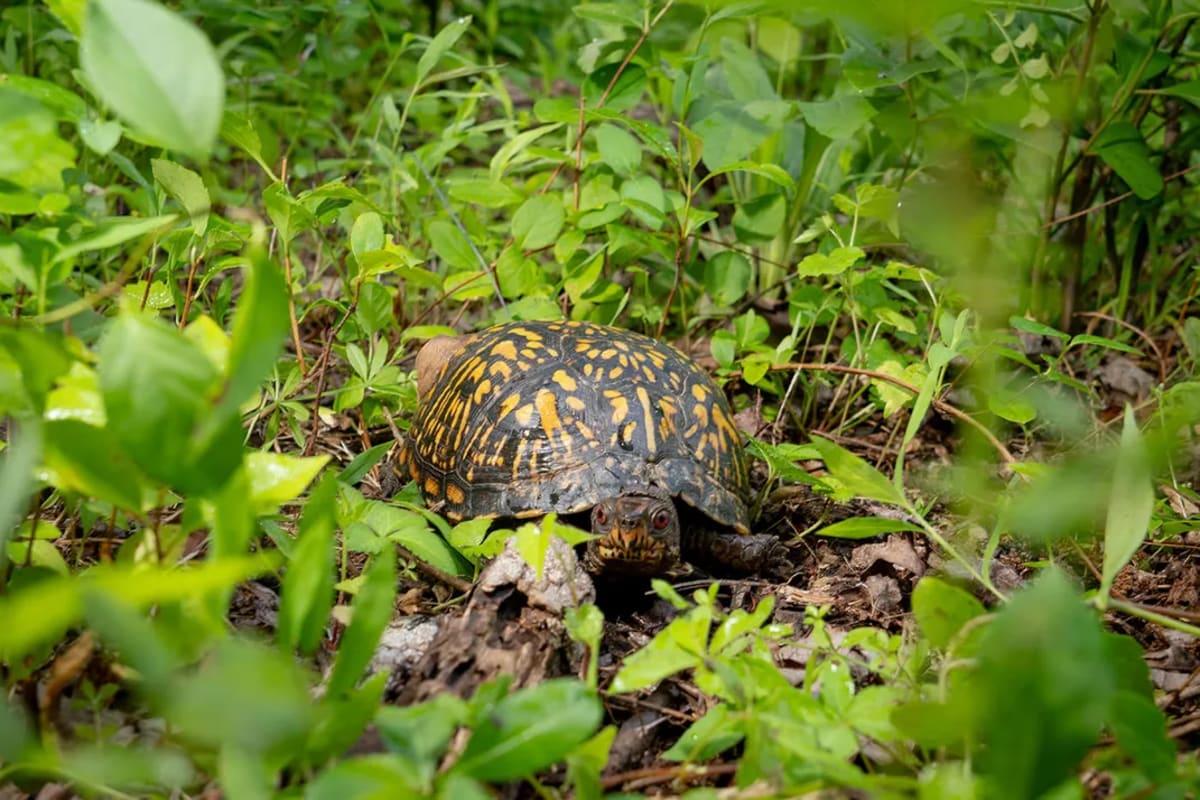
Since 2022, researchers at the Smithsonian's National Zoo and Conservation Biology Institute have been investigating why Eastern box turtles are vanishing across Virginia. This spring, they launched an ambitious new project to find and protect turtle nests, combining portable X-ray machines with surprisingly simple tools like plastic cups and spools of string.
The challenge is trickier than it sounds. Female box turtles wander for hours or even days searching for the perfect nesting spot, guided by temperature and instinct alone. Once she chooses a location, she digs a shallow hole, lays two to five eggs, covers them with dirt, and walks away forever.
"You might find a turtle at what looks like a perfectly good nest site," said Mark Ketner, a researcher with the Turtle Conservation Ecology Lab. "But then you come back the next morning and the turtle has wandered a mile and a half away, and is now digging a nest on top of a mountain."
To catch turtles before they nest, Ketner and field collaborator Carley Laue track 56 tagged turtles across five study sites. They use radio receivers to play a real-life game of Marco Polo, following beeping signals through underbrush until they spot a mottled brown-and-yellow shell hiding in the leaves.
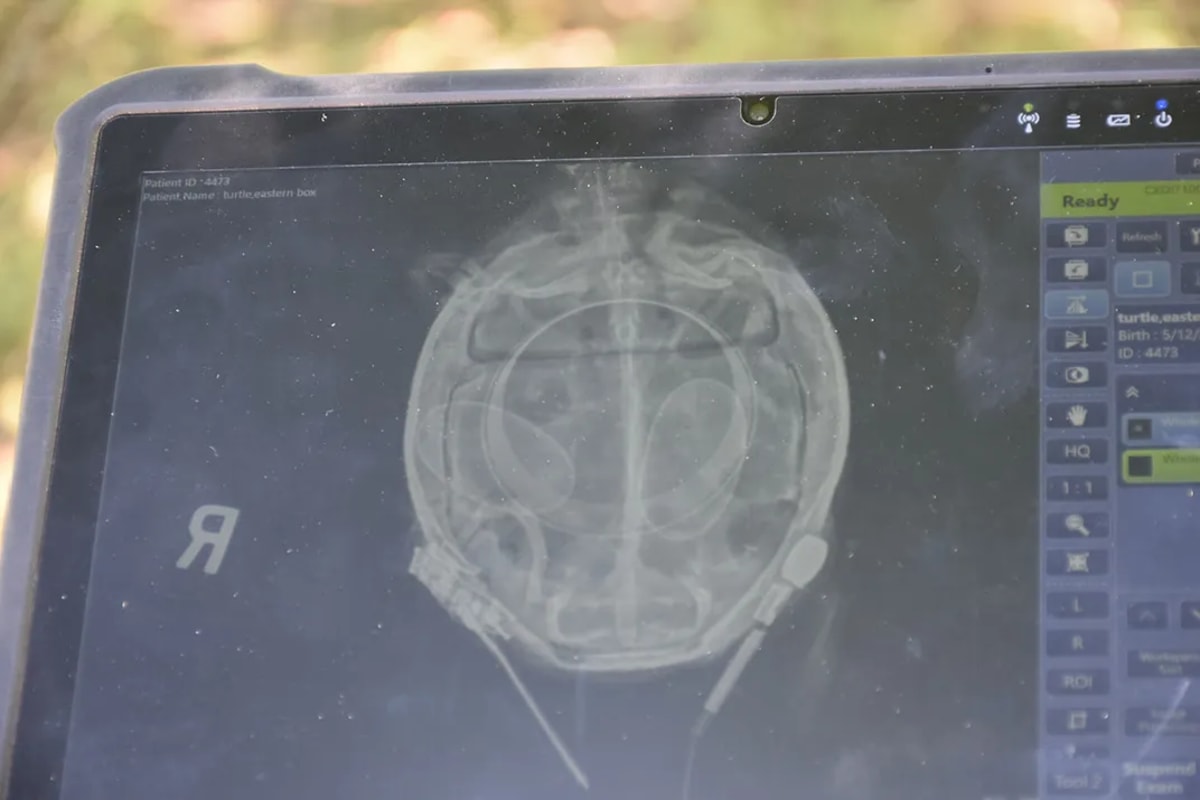
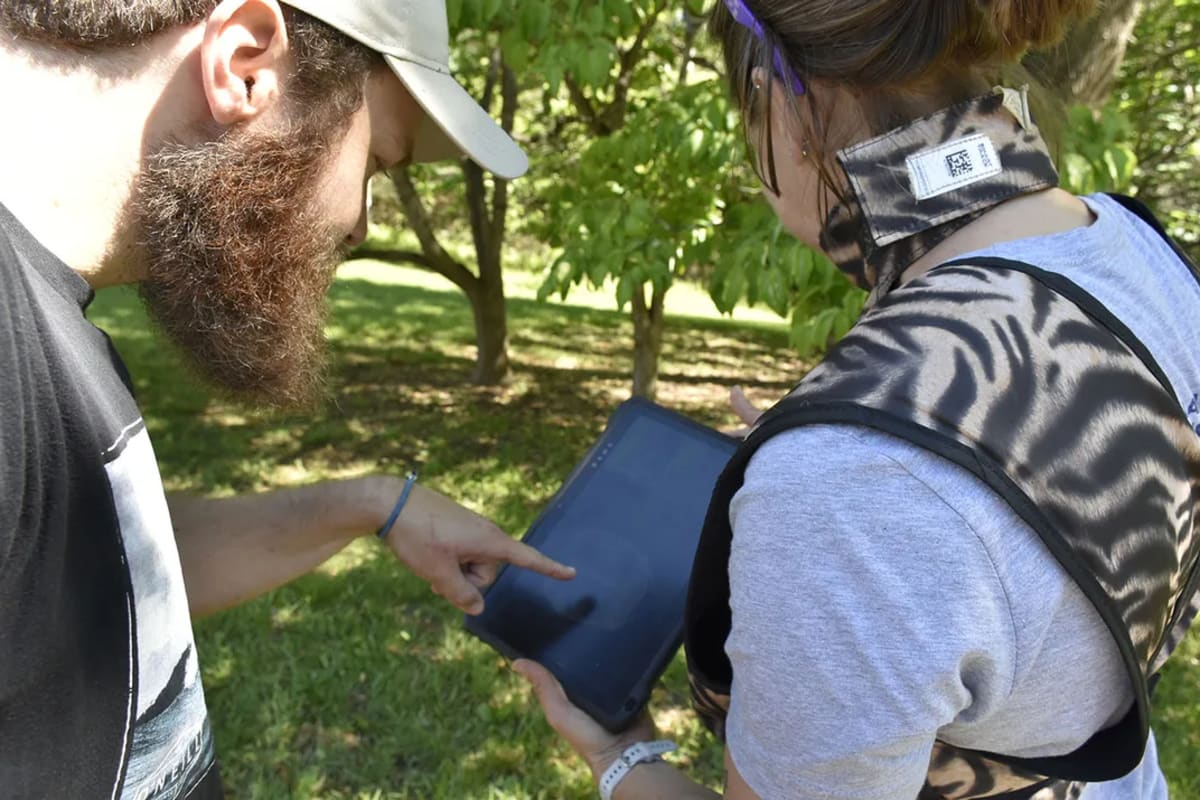
Once captured, each turtle gets a quick exam. The researchers gently feel for eggs above the hind legs, then veterinary technicians like Julia Jones confirm the presence of eggs using portable X-ray machines right in the field.
The plastic cups serve as platforms to position turtles for X-rays. The spools of string help mark trails and nest locations across diverse terrain, from mountain forests to cow pastures.
Why This Inspires
This project represents hope for a species facing threats from rural highways, climate change, lawnmower blades, and backyard predators. By understanding nest survival rates and reproduction patterns, conservation leaders can better protect critical nesting sites.
The team's blend of advanced technology and simple creativity shows that solving complex environmental challenges doesn't always require expensive equipment. Sometimes it takes resourcefulness, patience, and a willingness to chase turtles through the wilderness with a spool of string.
The data collected since 2022 is already helping scientists understand box turtle movements, mate-seeking habits, and territory usage. With this new nest survival research, they're building a complete picture of what these ancient reptiles need to thrive.
Every nest found and protected gives Virginia's box turtles a fighting chance at reversing their troubling decline, one carefully tracked egg at a time.
More Images
%3Afocal(700x470%3A701x471)%2Fhttps%3A%2F%2Ftf-cmsv2-smithsonianmag-media.s3.amazonaws.com%2Ffiler_public%2F7b%2F0f%2F7b0ff0da-1226-44bf-84de-647304f51d15%2F20260512-029jk.jpg)
Based on reporting by Google News - Researchers Find
This story was written by BrightWire based on verified news reports.
Spread the positivity!
Share this good news with someone who needs it