Zeppelin Measures Air Pollution Over Dutch-German Border
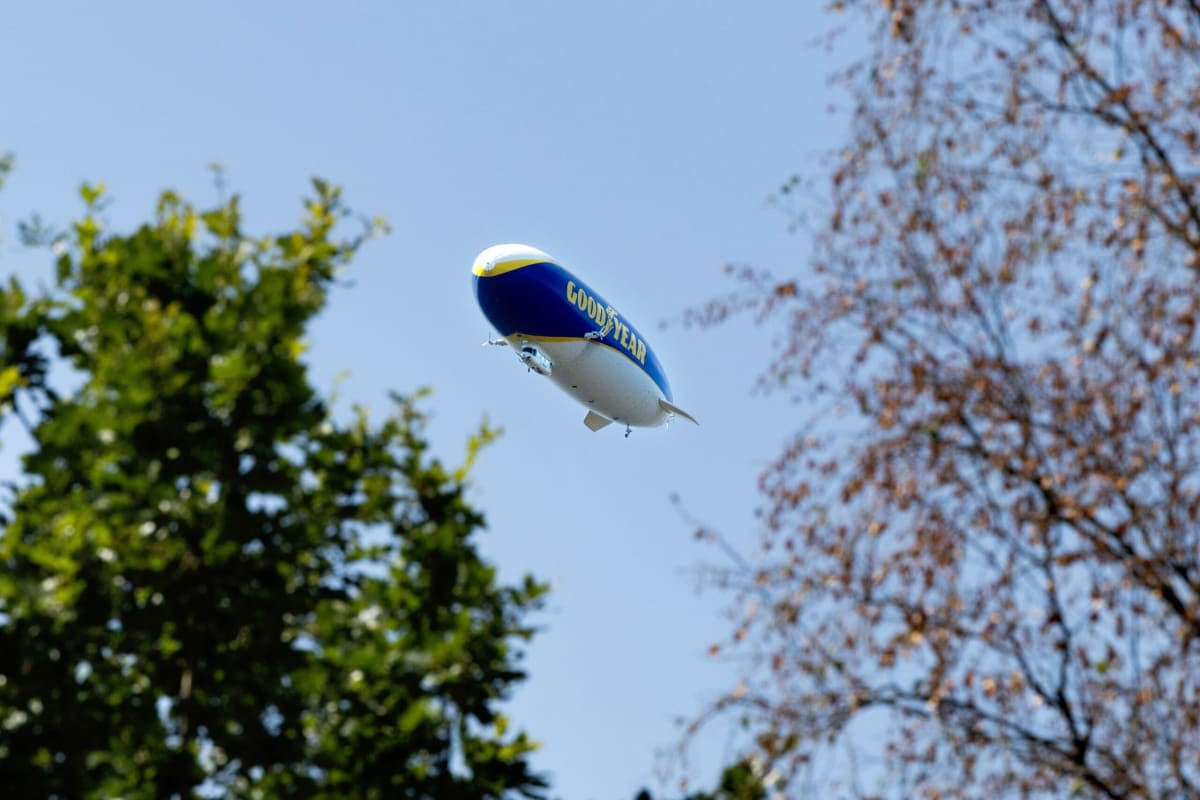
A vintage zeppelin from Germany is soaring over Dutch skies on a mission to understand air pollution better. Scientists are using the airship's unique abilities to study how emissions move through the atmosphere.
Residents in the Netherlands' Veluwe region got a delightful surprise this week when they spotted a massive zeppelin floating overhead. The German airship is helping scientists unlock mysteries about air quality that could lead to cleaner air for millions.
The zeppelin launched from Essen, Germany, and is now gliding over a cross-border area that includes the Dutch cities of Arnhem and Utrecht. Researchers from Wageningen University & Research teamed up with German colleagues to turn the iconic airship into a flying laboratory.
The blimp carries specialized instruments that measure carbon dioxide levels, emissions, and tiny particles floating in the air. Unlike drones or planes, the slow-moving zeppelin can hover steadily at just 300 meters above ground, giving scientists incredibly detailed readings.
"The substances are partly produced by the forest and partly by traffic and industry," explained researcher Michiel van der Molen. "Exactly how that works and how quickly it spreads is interesting, but mostly unknown."
That gap in knowledge matters more than most people realize. Understanding how pollution moves and spreads helps communities design better solutions, from smarter traffic patterns to more effective tree planting strategies.
The zeppelin will make multiple passes over the region during the coming week. Curious locals can even track its path online using Flightradar24 with the code DLZFN, turning science into a community event.
The Bright Side
This creative approach to environmental research shows how old technology can solve modern problems. While high-tech satellites and drones grab headlines, sometimes a century-old design works best for the job at hand.
The international cooperation between Dutch and German scientists also demonstrates how environmental challenges bring people together rather than divide them. Air pollution doesn't respect borders, and neither does good science.
The data collected could help local governments make smarter decisions about protecting air quality for the 1.5 million people living in the research area. Better information leads to better solutions, and better solutions mean healthier communities.
Flying laboratories above our heads remind us that creative thinking and collaboration can tackle even invisible problems like air pollution.
Based on reporting by Dutch News
This story was written by BrightWire based on verified news reports.
Spread the positivity!
Share this good news with someone who needs it