NASA Joins Artemis III Modules for 4-Astronaut Moon Mission
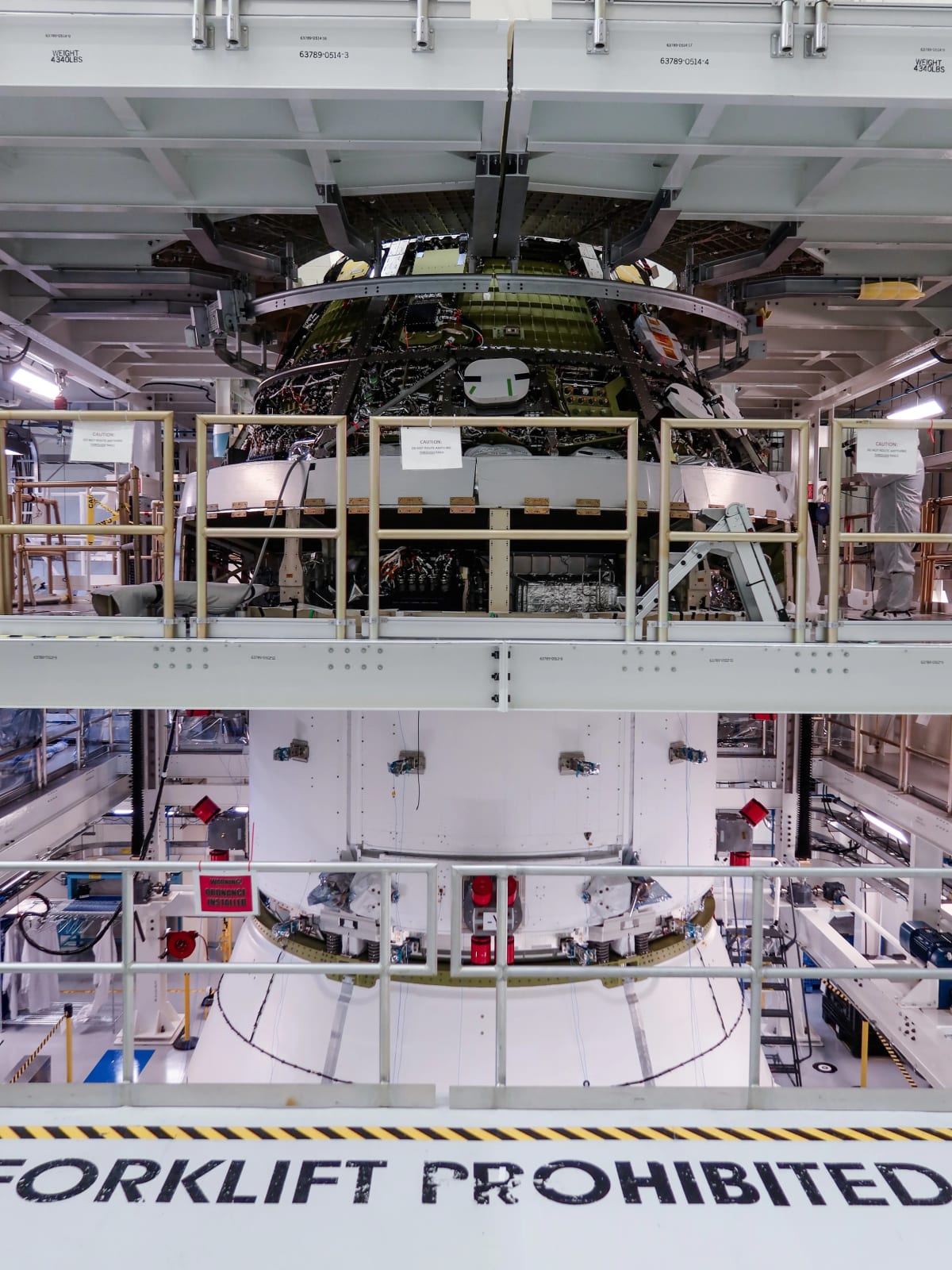
NASA has assembled the spacecraft that will carry four astronauts on a critical Moon mission test flight. The Artemis III Orion capsule came together at Kennedy Space Center, marking a major step toward returning humans to the lunar surface.
Four astronauts are one step closer to making history as NASA completes a crucial milestone for its Artemis III Moon mission.
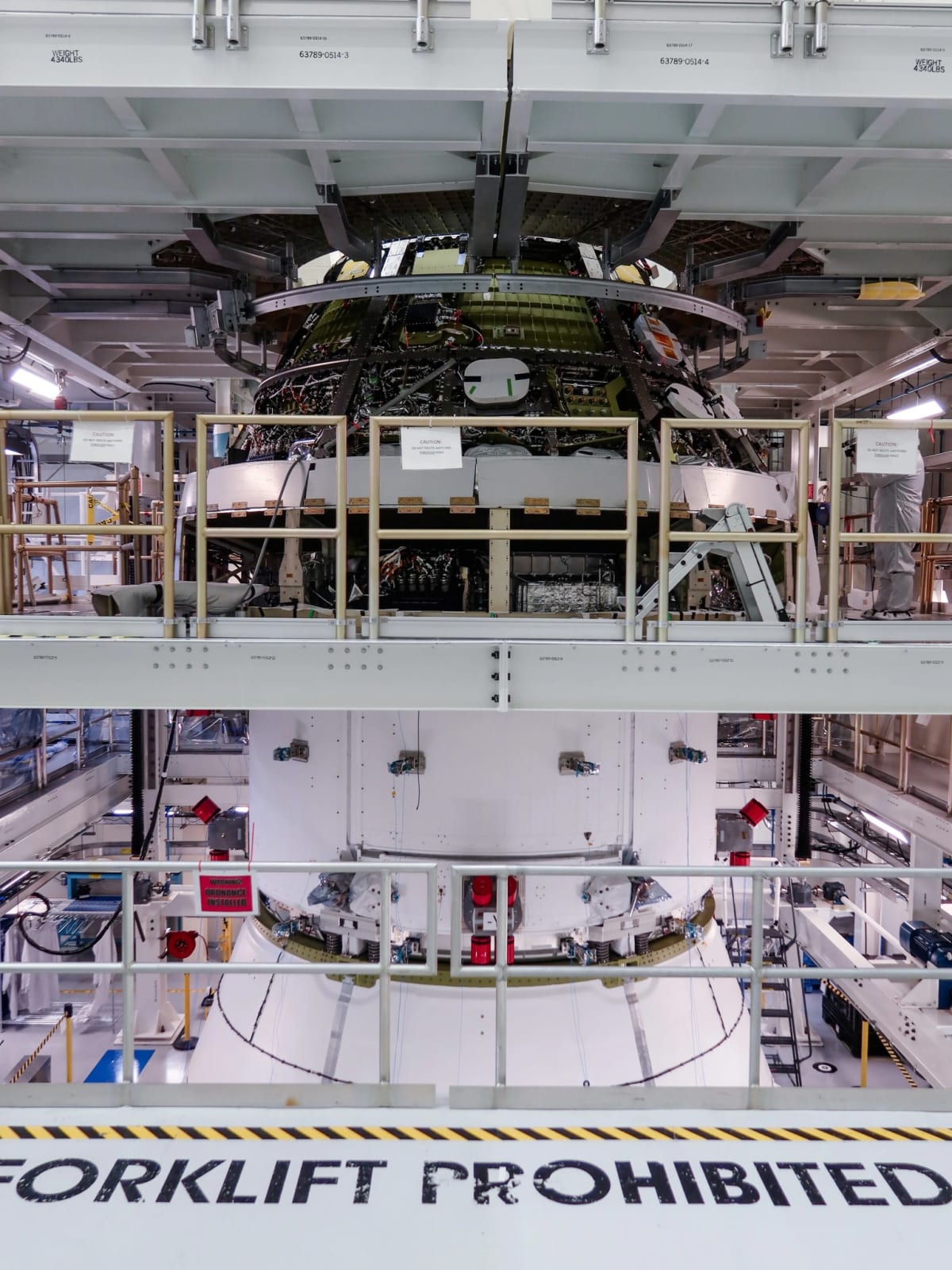
On July 30, 2026, technicians at Kennedy Space Center in Florida successfully joined the Orion crew and service modules inside the Neil Armstrong Operations and Checkout Building. This assembly brings together the two essential components that will make deep space travel possible for the mission's four-person crew.
The crew module will carry and sustain NASA astronauts Randy Bresnik, Andre Douglas, and Frank Rubio, along with European Space Agency astronaut Luca Parmitano. Meanwhile, the service module will provide all the power and propulsion Orion needs to reach its destination and return safely home.
This mission has a specific and exciting goal: testing how spacecraft can meet up and dock with commercial lunar landers in Moon orbit. The crew will practice rendezvous and docking procedures with test versions of landing systems from both Blue Origin and SpaceX, two companies racing to build the vehicles that will actually touch down on the lunar surface.
The successful joining of these modules represents months of precise engineering and preparation. Each connection point must be perfect, each system fully integrated, because the lives of four astronauts will depend on this spacecraft working flawlessly in the harsh environment of deep space.
The Ripple Effect
This technical achievement ripples far beyond one mission. By testing commercial landing systems, NASA is validating a new model of space exploration where government and private industry work together to achieve what once seemed impossible.
The lessons learned from Artemis III will directly inform future missions that will establish a lasting human presence on the Moon. These missions will conduct scientific research, test technologies for Mars exploration, and inspire a new generation to reach for the stars.
International cooperation shines through this mission too, with ESA astronaut Luca Parmitano joining the crew. Space exploration continues to unite nations in pursuit of shared dreams and scientific progress.
The next generation is watching as this spacecraft takes shape, seeing proof that big dreams backed by dedication and teamwork can become reality.
More Images
Based on reporting by NASA
This story was written by BrightWire based on verified news reports.
Spread the positivity!
Share this good news with someone who needs it