1930s Reformer Fought for Women's Contraception as Freedom
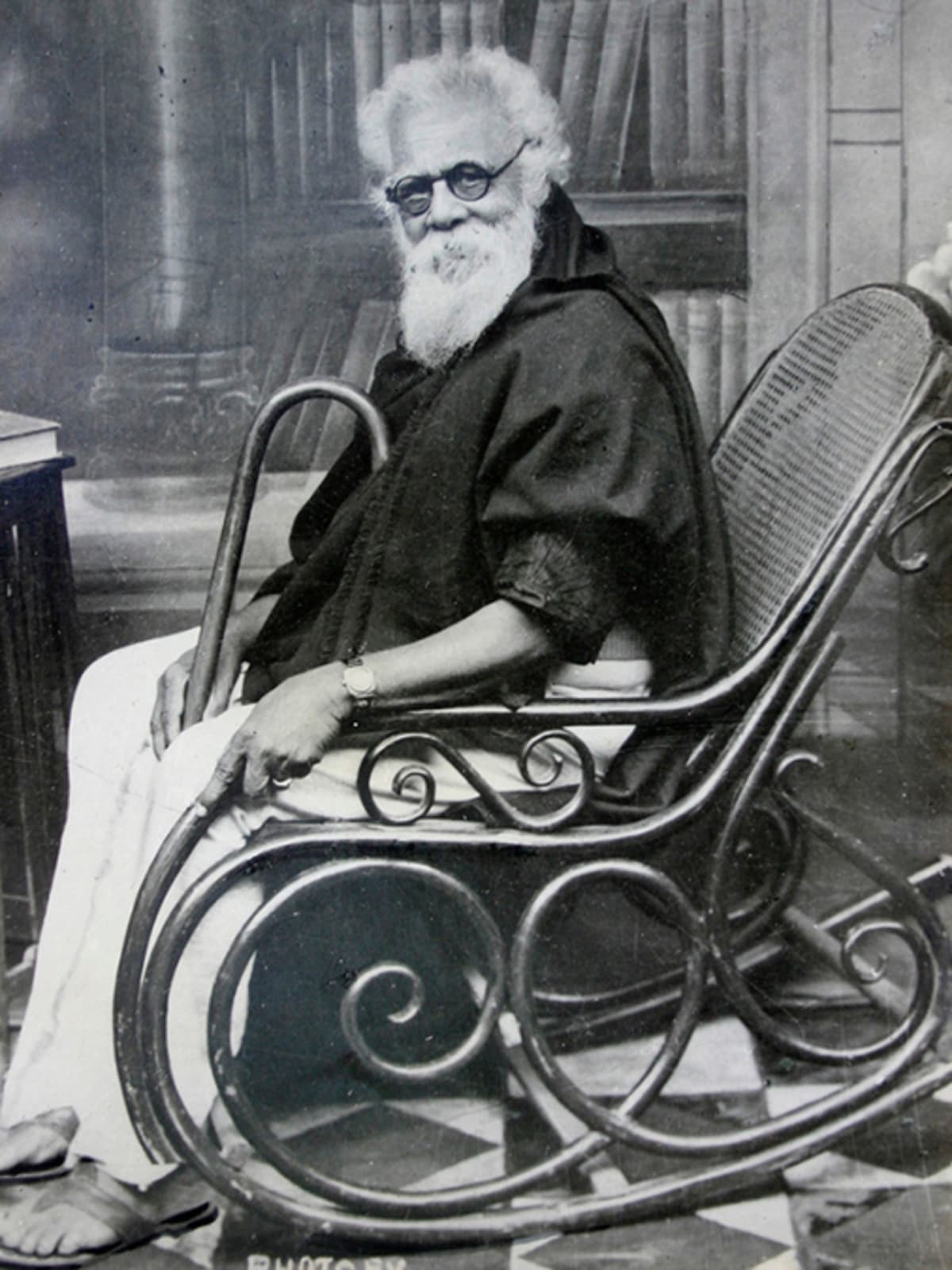
In 1930s India, when most reformers cited health reasons for birth control, one man wrote that women needed contraception for a single revolutionary purpose: personal freedom. Tamil reformer Periyar argued women would never be independent until they controlled their own bodies.
Nearly a century before reproductive rights became a mainstream cause, a self-educated reformer in Tamil Nadu was asking a radical question: who controls a woman's body?
Periyar, writing in the 1930s, broke from every other social reformer of his era with one startling argument. While others supported contraception for maternal health or family planning, he declared women needed it for freedom itself.
His 1930 essay laid out the case plainly. Repeated childbirth trapped women in domestic life and wore their bodies down. True independence required control over whether and when to have children.
But Periyar pushed further. He wrote that bodily freedom meant nothing if women still depended on husbands for money. He demanded property rights and paid work for every woman, not as favors but as essentials.
His newspaper Kudi Arasu, which he founded himself, became his platform. Issue after issue carried essays defending a woman's right to leave marriage, condemning customs that treated wives as property, and naming the medical dangers of back-to-back pregnancies.
The man had barely finished school. Yet he read and wrote obsessively for decades, building a body of work now carefully preserved in the Periyar Archive, fully digitized for researchers today.
He didn't work alone either. Nagammai, usually remembered only as his wife, organized campaigns, spoke publicly, and shaped Kudi Arasu's editorial direction from the inside.
Cambridge scholars studying his work today see something remarkable. Periyar moved past formal equality toward personal, sexual and reproductive freedom, connecting dots others wouldn't join for generations.
Why This Inspires
Most reformers of the 1930s wanted to improve women's lives within existing structures. Periyar imagined something bigger: women as fully independent people who answered to no one about their own bodies.
His arguments appeared decades before the global reproductive rights movement gained momentum. He was asking the hard questions before most people knew they needed asking.
On his 148th birth anniversary this September, Tamil Nadu celebrates a thinker whose radical vision for women's freedom still challenges us today.
Based on reporting by The Better India
This story was written by BrightWire based on verified news reports.
Spread the positivity!
Share this good news with someone who needs it