1945 Atomic Blast Created "Impossible" Crystal Structure
Scientists discovered a crystal inside debris from the first nuclear bomb that shouldn't exist in nature. The 1945 Trinity test created atomic arrangements so rare that labs can barely reproduce them today.
The world's first nuclear explosion left behind more than a historical legacy. It created a crystal structure so unusual that scientists call it nearly impossible to form under normal conditions.
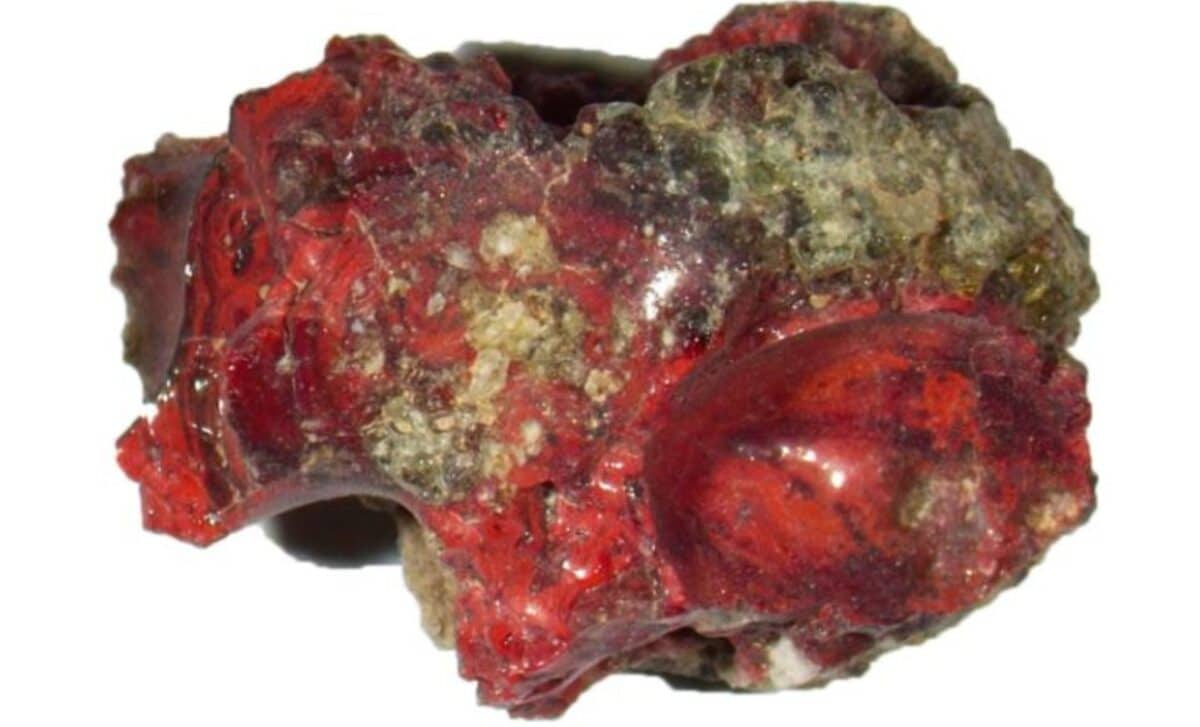
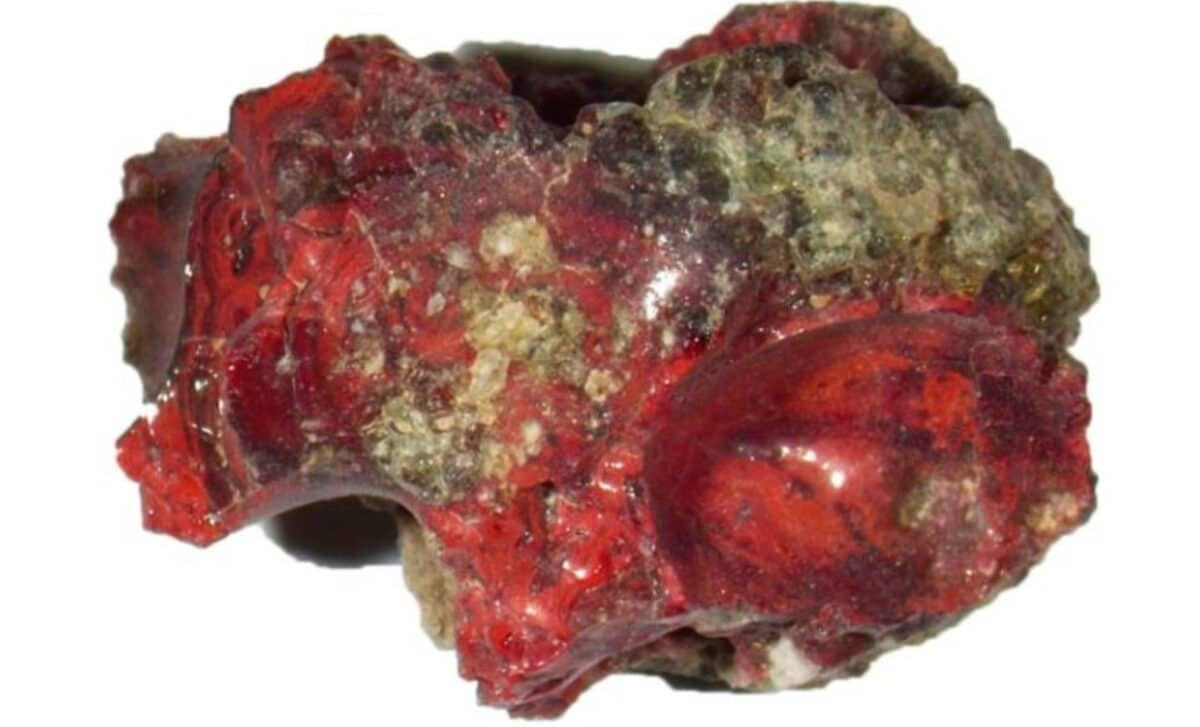
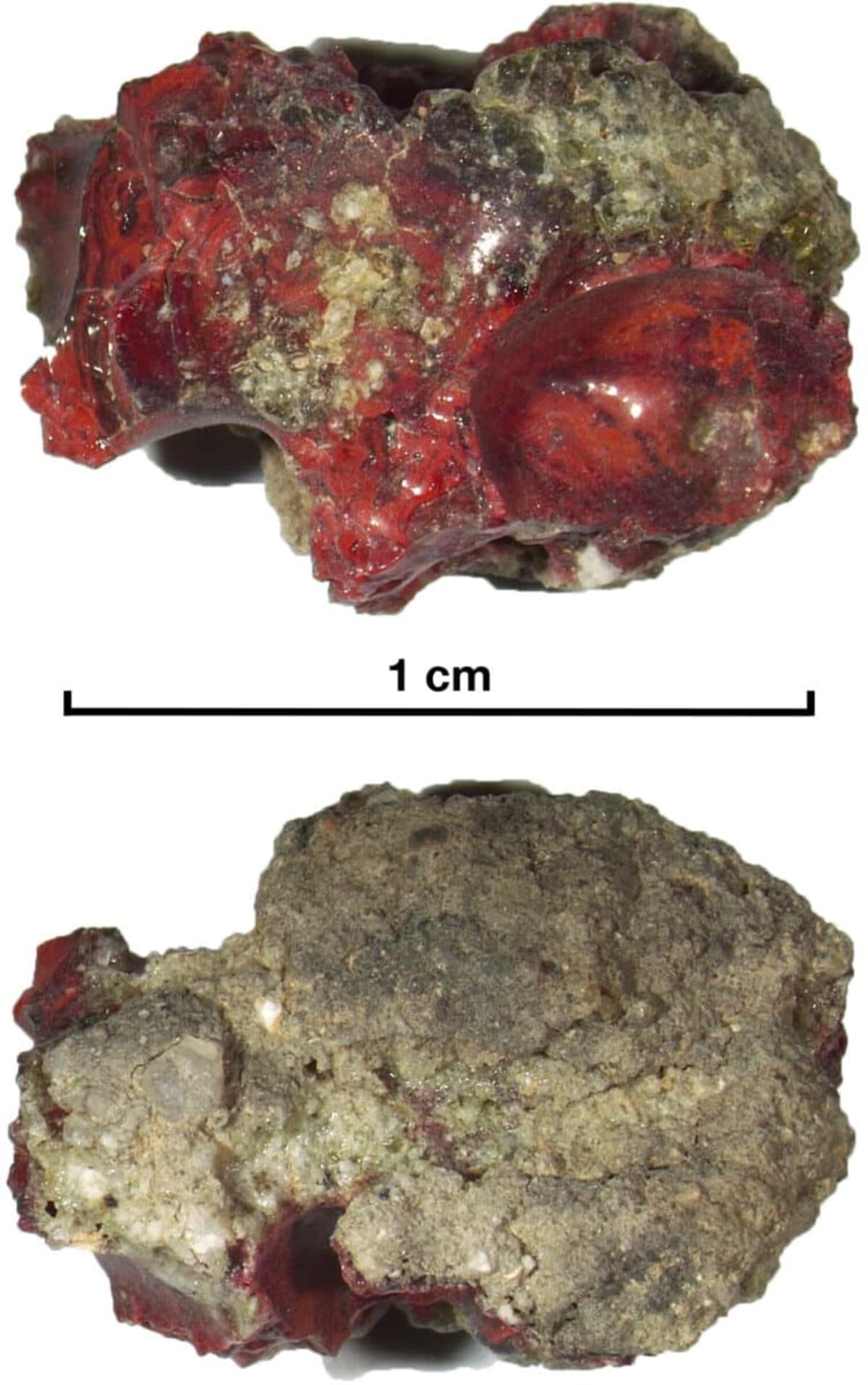
In July 1945, the Trinity test in New Mexico vaporized a steel tower, melted the desert floor, and fused sand, metal, and debris into glassy material called trinitite. For 80 years, this strange substance has held secrets about the extreme conditions created during those first moments of the atomic age.
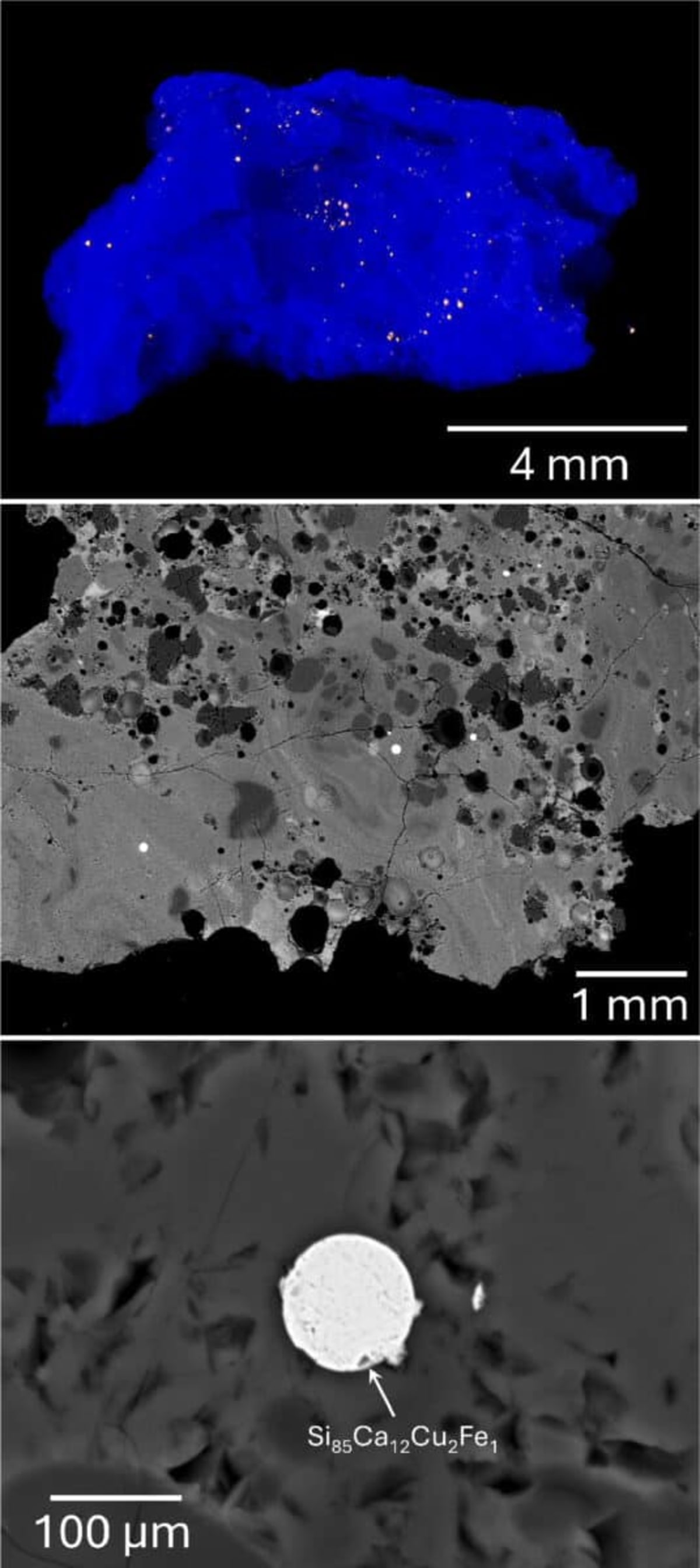
Now researchers have found something extraordinary hidden inside. A team led by geologist Luca Bindi from the University of Florence discovered a type-I clathrate crystal embedded in red trinitite. This marks the first time such a structure has ever been confirmed in nuclear explosion debris.
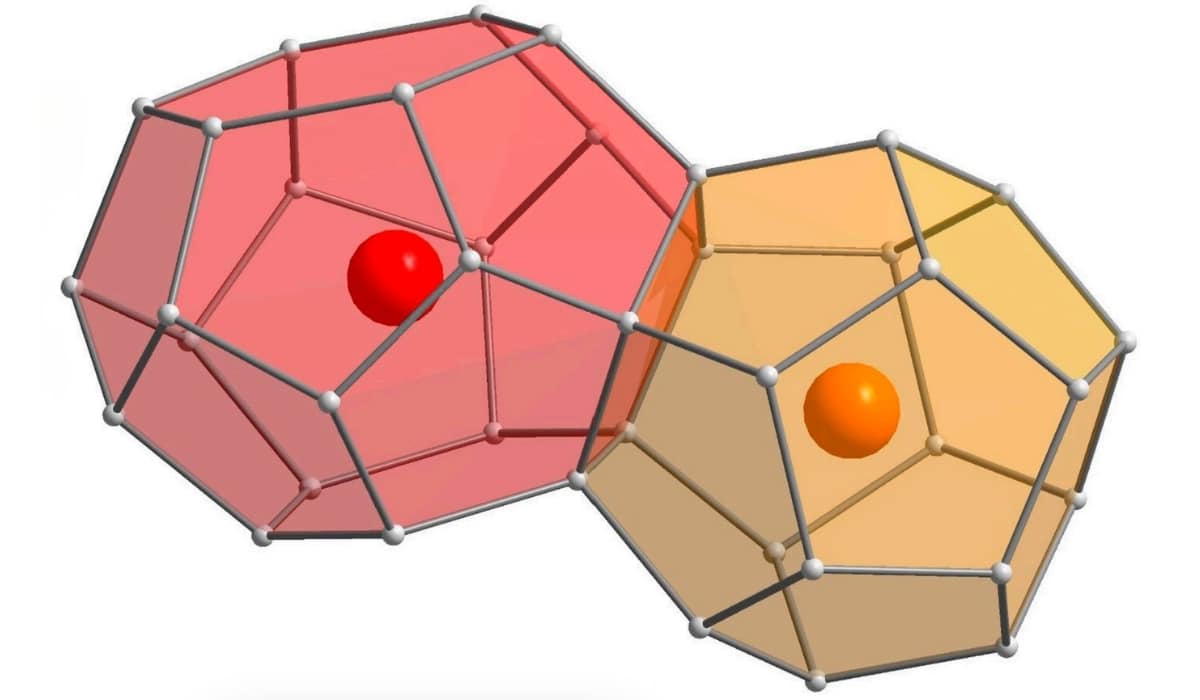
The crystal looks like microscopic cages made of silicon atoms with calcium trapped inside. These arrangements require incredibly specific combinations of intense heat, crushing pressure, and rapid cooling to form correctly. Under normal geological conditions, they're extremely rare.
The Trinity blast created the perfect storm. Temperatures soared above 1,500 degrees Celsius in fractions of a second, then collapsed just as quickly. Vaporized copper from the test tower mixed with molten desert sand inside the mushroom cloud. As the fireball cooled, atoms organized into this exotic structure and froze in place before the arrangement could fall apart.
Using advanced X-ray diffraction and imaging techniques, Bindi's team revealed the intricate cubic structure in a study published in the Proceedings of the National Academy of Sciences. The crystal sits alongside other unusual materials in trinitite, including quasicrystals that break traditional rules of atomic symmetry.
The Bright Side
This discovery transforms how scientists view extreme events. The trinitite acts as a frozen snapshot, preserving physical evidence of conditions that laboratories struggle to recreate even with modern technology. Each microscopic crystal becomes a time capsule documenting one of the most violent moments in human history.
The research opens new possibilities for understanding high-energy physics and mineral formation. Scientists believe similar techniques could help analyze ancient meteor impacts or other natural disasters where extreme conditions created unusual materials. What began as destruction has become an unexpected teacher.
The crystal also connects to broader questions about how matter behaves under stress. By studying these atomic arrangements, researchers gain insights that could inform materials science, planetary geology, and our understanding of how rare minerals form in nature.
Eight decades after the Trinity test, the New Mexico desert continues revealing secrets locked inside glass. This impossible crystal reminds us that even humanity's most destructive moments can yield knowledge that advances science and deepens our understanding of the natural world.
More Images
Based on reporting by Google News - Scientists Discover
This story was written by BrightWire based on verified news reports.
Spread the positivity!
Share this good news with someone who needs it