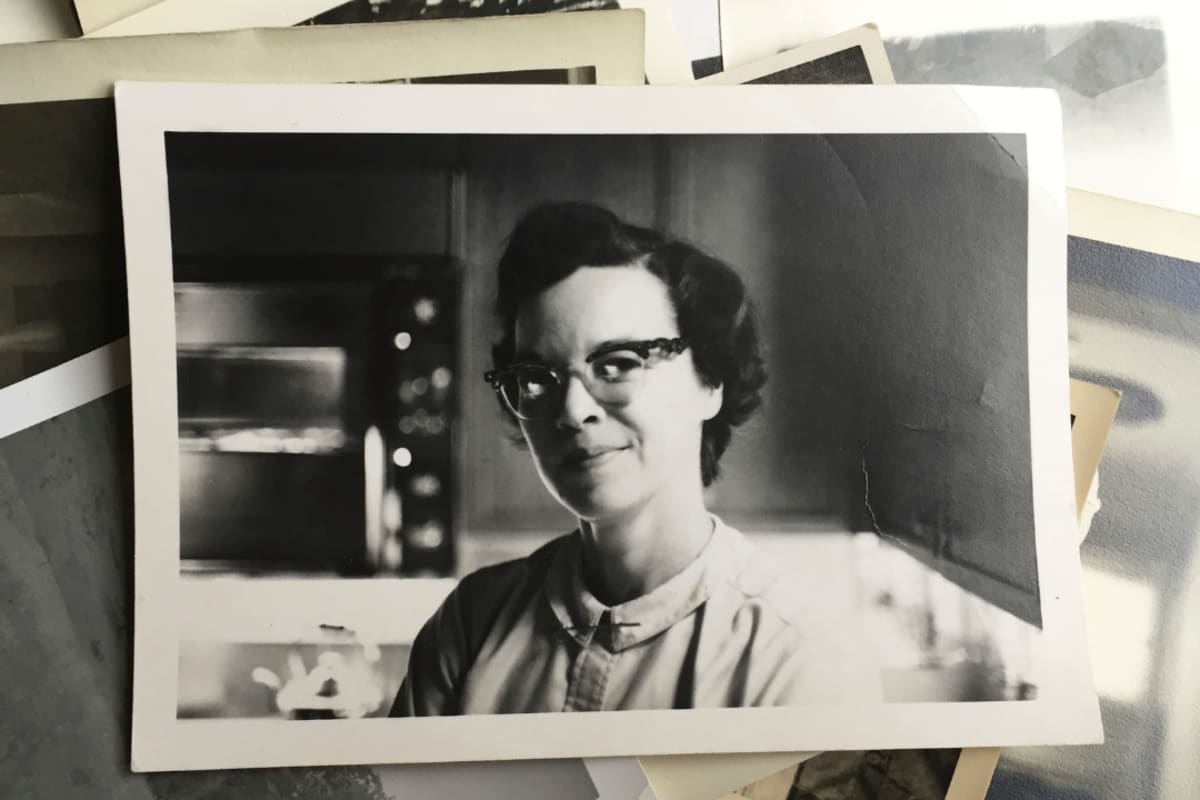
1960 Cookbook Gave Housewives Permission to Hate Cooking
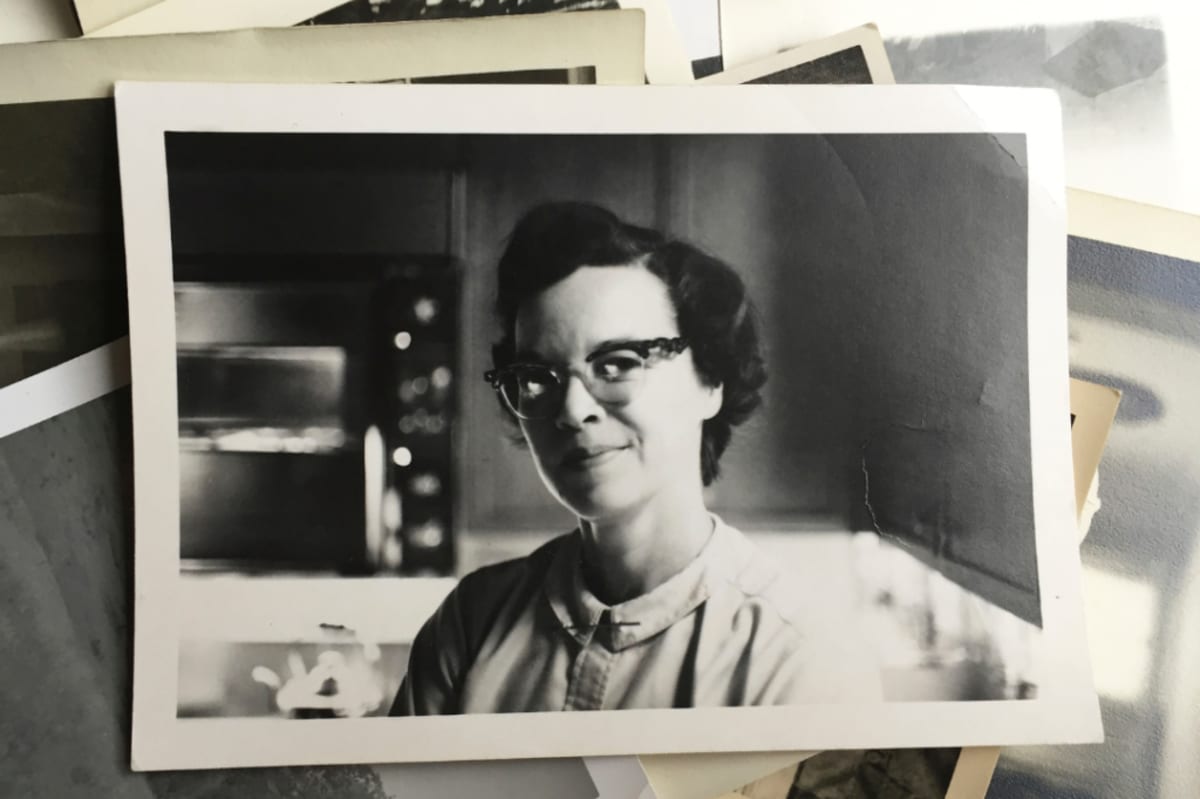
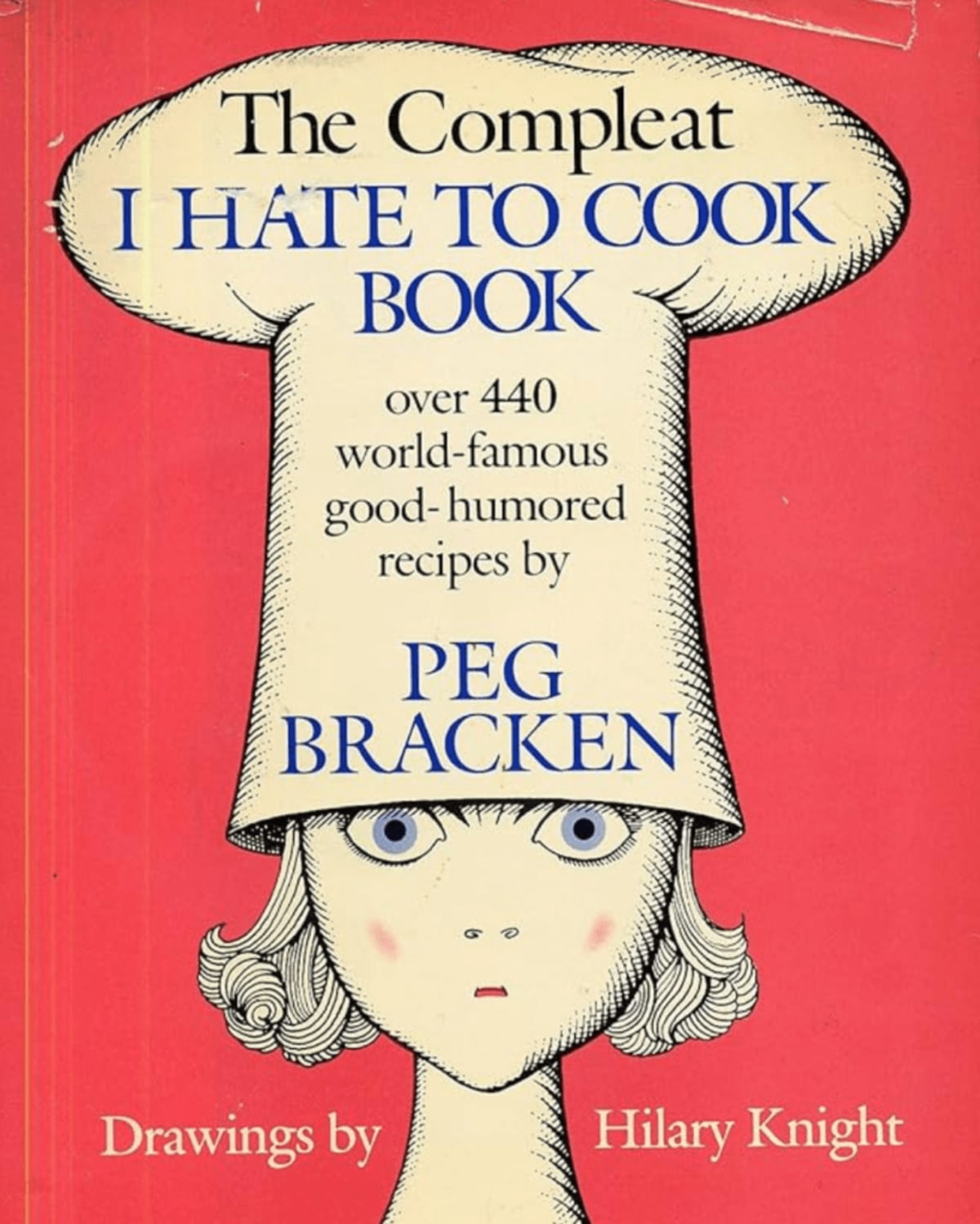
When Peg Bracken published "The I Hate to Cook Book" in 1960, she broke the cardinal rule of womanhood: she admitted that cooking dinner every night felt miserable. Her honest, funny recipes sold three million copies and quietly revolutionized how women thought about their role in the kitchen.
It's 5:45 p.m., your feet ache, and the idea of making dinner again feels like a personal attack. That exact dread haunted women in the early 1960s too, except they weren't supposed to admit it.
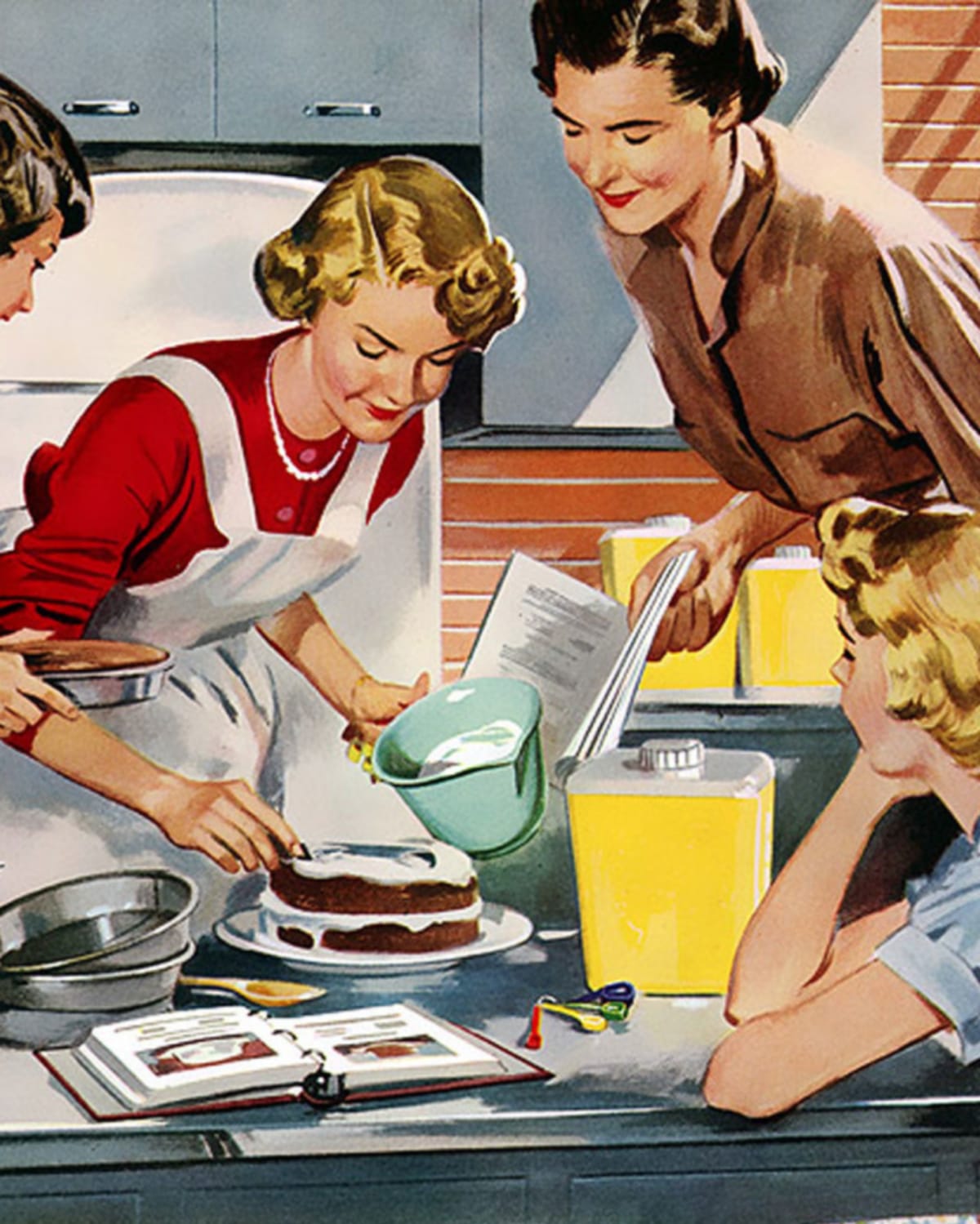
Society told them the "ideal" housewife loved her time in the kitchen. Magazine spreads showed smiling women in crisp aprons beaming over from-scratch casseroles, pretending each meal was pure joy.
Then Peg Bracken, a Portland copywriter and exhausted mother, did something radical. She said out loud that she hated cooking, and she wrote a cookbook for everyone who felt the same way.
"The I Hate to Cook Book" didn't just offer easy recipes. It gave women permission to stop pretending that dinner was the highlight of their day.
Bracken worked in advertising, watching media sell the "happy homemaker" myth to women who felt bored, resentful, and tired. Over lunch with friends she jokingly called "the Hags," she swapped what she called "shabby little secrets" about relying on canned soup and frozen vegetables to get through the week.
She collected their favorite shortcuts, wrapped them in dry humor, and sent the manuscript to publishers. Her husband told her it stunk, and six male editors agreed, insisting women saw cooking as sacred duty.
One woman editor took a chance. The book sold more than three million copies when it published in 1960.
From the opening line ("Some women, it is said, like to cook. This book is not for them"), Bracken signaled her intentions. She didn't teach perfect soufflés; she helped women survive the week with recipes like "Stayabed Stew" that cooked while you read in bed.
Her instructions told readers to cook "while you light a cigarette and stare sullenly at the sink." Another recipe began with a small shot of whiskey "for medicinal purposes." She sounded like a smart friend on the phone, not a stern cooking instructor.
Why This Inspires
Bracken didn't write manifestos or lead marches, but she named something powerful: the crushing weight of unpaid domestic labor and the "dailiness" of cooking that hung over women's heads from dawn until dinner. While society equated womanhood with constant self-sacrifice, she suggested a different metric: Did everyone eat? Did you keep your sanity?
She pointed women toward painting, writing, and studying as better uses for their minds than adding eggs to cake mix. For readers at their kitchen tables, that shift felt revolutionary.
Not everyone welcomed it. Traditional food writers dismissed her canned-soup cooking as an insult, but millions of "happy homemakers" turned out to be Hags at heart. Bracken proved that admitting struggle didn't make women failures; it made them honest about an impossible standard they never asked to meet.
More Images

Based on reporting by Upworthy
This story was written by BrightWire based on verified news reports.
Spread the positivity!
Share this good news with someone who needs it

%2Ffile%2Fattachments%2F2993%2FRhianSousaPexels_527393.jpg)
