1989 BBC Predicted Smart Homes: What They Got Right
Futurists in 1989 predicted what homes would look like in 2020, and they were surprisingly accurate about smart home technology. From voice commands to learning thermostats, the BBC's Tomorrow's World series nailed many of the innovations we use today.
Back in 1989, BBC futurists took a bold stab at predicting what our homes would look like in 2020, and their vision of the future was remarkably spot-on.
The Tomorrow's World series featured futurist Christine MacNulty describing homes where technology would be "embedded in the very fabric of the house." She envisioned spaces where people could control everything without "all these knobs and buttons," and where homes would simply work for us.
Fast forward to today, and we're living in that predicted future. Smart home devices like Amazon Alexa and Google Home respond to simple voice commands, playing music from vast digital libraries just as the show imagined. Our thermostats learn our daily routines and heat rooms before we enter them, exactly as predicted.
The futurists also forecasted lights that automatically switch on and off as we move between rooms. Today's motion sensors and smart lighting systems do precisely that, adjusting brightness based on our preferences.
They even predicted the environmental pressure to reduce fossil fuel consumption. MacNulty told viewers that "energy management in our homes will become of critical importance" by 2020, which couldn't be more accurate given today's climate concerns.
The Bright Side
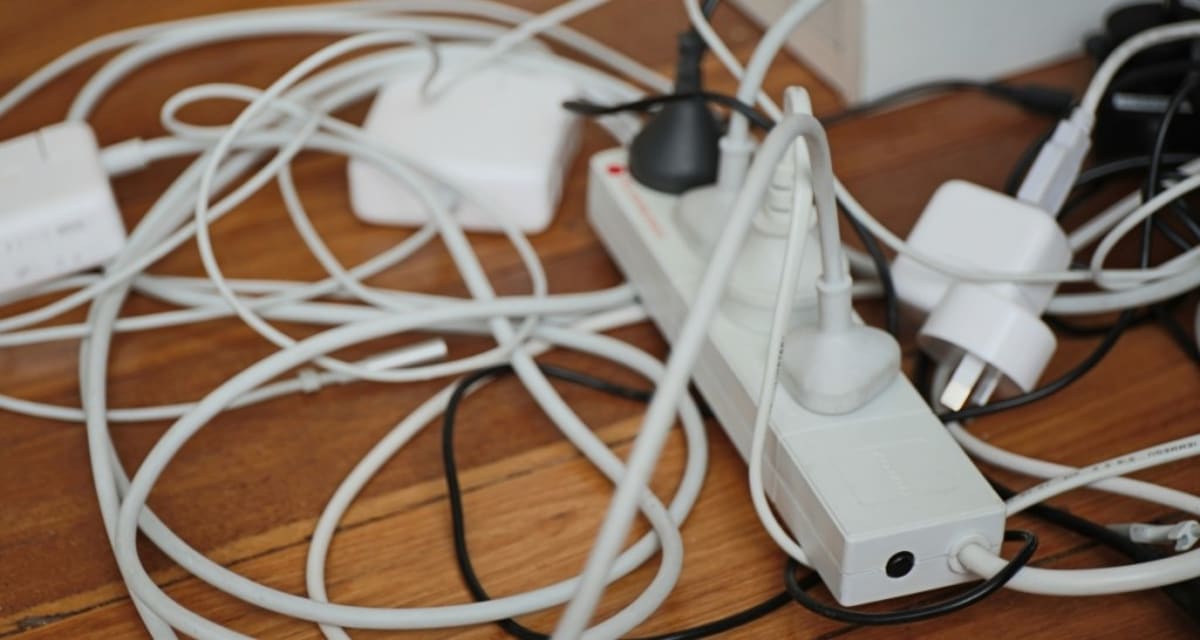
While some predictions missed the mark (we're still dealing with cord clutter and regular old electrical outlets), the core vision was remarkably accurate. The show's producers understood something fundamental about the future: technology would become invisible, working quietly in the background rather than dominating our spaces with complex controls.
Perhaps their most insightful prediction was the final observation that there wouldn't be one single "home of the future." Instead, millions of different homes would exist, each reflecting individual choices about how much technology to embrace. Some people today live in century-old houses with minimal tech, while others build ultra-modern smart homes with every gadget imaginable.
The 1989 BBC team proved that thoughtful futurism isn't about getting every detail right. It's about understanding the direction human needs and desires will take us, and on that front, they passed with flying colors.
More Images


Based on reporting by Upworthy
This story was written by BrightWire based on verified news reports.
Spread the positivity!
Share this good news with someone who needs it