How Fireworks Became America's Favorite Celebration Tech
From bamboo tubes in ancient China to computer-choreographed displays lighting up American skies, fireworks have evolved into an engineering marvel that brings millions together. This Fourth of July marks 249 years of the tradition that started with just 13 rockets.
Picture 60 pyrotechnicians working 12 days straight to arrange 80,000 shells for a display that lasts just 25 minutes. That's what happens behind the scenes at New York City's Macy's Fourth of July show, and it's a far cry from where fireworks began.
Around 200 BCE, the Chinese discovered that bamboo thrown into fire would crack and pop, supposedly scaring away evil spirits. A thousand years later, someone had the brilliant idea to stuff bamboo tubes with gunpowder and light them. The first fireworks rocketed into the sky.
By the Renaissance, European craftsmen were creating spectacular displays for kings and religious celebrations. Schools dedicated entirely to pyrotechnics popped up across Italian city states. In 1634, John Bate published illustrated guides showing how to build fire wheels and dragon-shaped rockets that sped across ropes between buildings.
The real color revolution came in the 1700s and 1800s when chemists discovered new compounds. Adding barium nitrate created green explosions. Strontium nitrate gave us red. Metal particles added those beautiful sparkles we love today.
American colonists brought the tradition with them. Captain John Smith set off fireworks in 1608 to celebrate founding Jamestown, Virginia. In 1776, future president John Adams predicted Independence Day would be celebrated "with bonfires and illuminations from one end of this continent to the other."
He was right. Just one year later, Philadelphia lit up the night sky with 13 rockets representing the 13 colonies. The tradition stuck.
Why This Inspires
Today's fireworks displays represent an incredible blend of chemistry, engineering, and artistry. Designers spend weeks choreographing patterns to music, assigning precise launch times and colors. The scripts upload to electronic firing systems connecting to thousands of rockets.
Americans now spend $3 billion on fireworks annually, making the United States the world's leading importer. From sparklers in backyards to massive professional displays, fireworks unite millions in shared wonder.
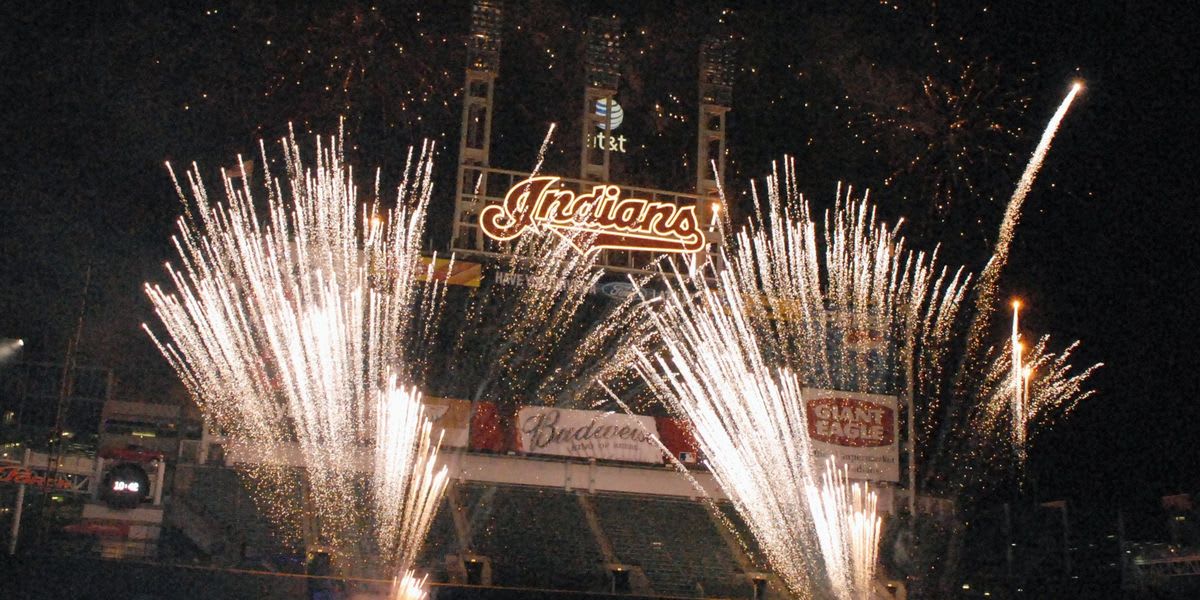
The technology has come a long way from simple wooden crates with metal silos, like the "home run box" used at Cleveland Indians games in the 1970s. One memorable mishap in 2015 shows we're still human though. A technician accidentally triggered the display when the opposing team hit a home run. He was caught on camera, head in his hands, while the wrong team's fireworks lit the sky.
As America approaches its 250th birthday this Fourth of July, expect spectacular displays everywhere, each one a testament to human innovation and our enduring love of celebration.
Based on reporting by IEEE Spectrum
This story was written by BrightWire based on verified news reports.
Spread the positivity!
Share this good news with someone who needs it