2 Meteor Showers Light Up Late July Skies Worldwide
Stargazers have double the reason to look up this month when two meteor showers peak together on July 30-31. The Southern Delta Aquariids and Alpha Capricornids will light up the night with up to 25 shooting stars per hour.
Two meteor showers will fill the late July sky with shooting stars, giving viewers across the globe a spectacular natural fireworks display.
The Southern Delta Aquariids arrive first, visible starting July 12th before reaching their peak on the nights of July 30th and 31st. During peak hours, skywatchers can expect to see about 20 meteors streak across the sky every hour.
The Alpha Capricornids join the show at the same time, adding another 5 meteors per hour. While fewer in number, these shooting stars are known for producing brilliant, bright fireballs that light up the night.
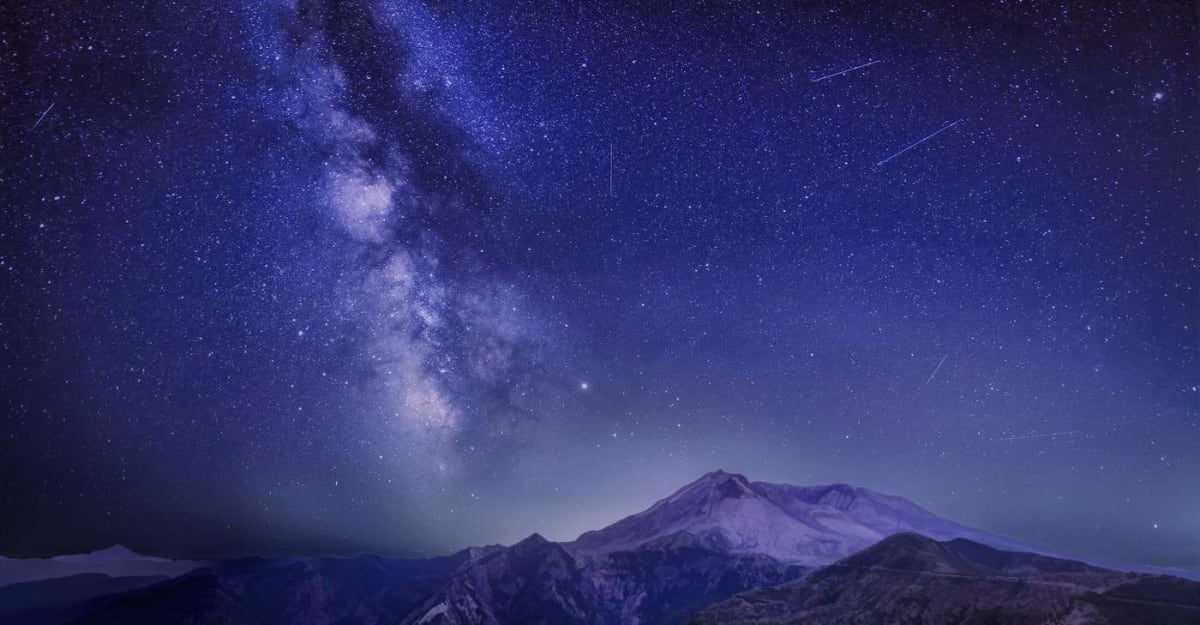
Both showers can be seen from anywhere in the world, though the Southern Delta Aquariids appear most vibrant in the Southern Hemisphere. Photographers in places as far north as Washington state have captured stunning images of the display, proving northern viewers can enjoy the show too.
The only challenge comes from timing. The moon will be large and bright during the peak nights, which may wash out some of the fainter meteors.
National Geographic suggests looking about 40 degrees away from the constellation where the meteors appear to originate. This simple trick helps viewers catch more shooting stars against the darker parts of the sky.
Why This Inspires
The universe offers free entertainment accessible to everyone with a clear sky and a willingness to look up. These meteor showers remind us that some of nature's most beautiful displays don't require tickets, special equipment, or travel to distant places.
Bonus viewing opportunities come earlier in the month for those who miss the meteor showers. On July 11th, two hours before sunrise, the crescent moon will form a triangle with Mars and the Pleiades star cluster in the eastern sky.
Six days later on July 17th, Venus and the crescent moon will pair up in the western sky just after sunset. Venus shines as one of the brightest objects visible in the evening, making this celestial meetup easy to spot.
For anyone having trouble spotting the Pleiades cluster of seven stars, try using your peripheral vision. This technique helps eyes detect dim objects in the darkness more effectively than looking directly at them.
Whether you catch the double meteor shower or one of July's planetary pairings, the night sky is putting on a show worth staying up for.
More Images




Based on reporting by Good News Network
This story was written by BrightWire based on verified news reports.
Spread the positivity!
Share this good news with someone who needs it