20-Foot Sea Predator Survived With Ancient Resilience
A 180-million-year-old ichthyosaur fossil from Germany shows how a massive marine predator adapted its hunting style after surviving devastating injuries. The discovery reveals an inspiring story of resilience preserved in stone.
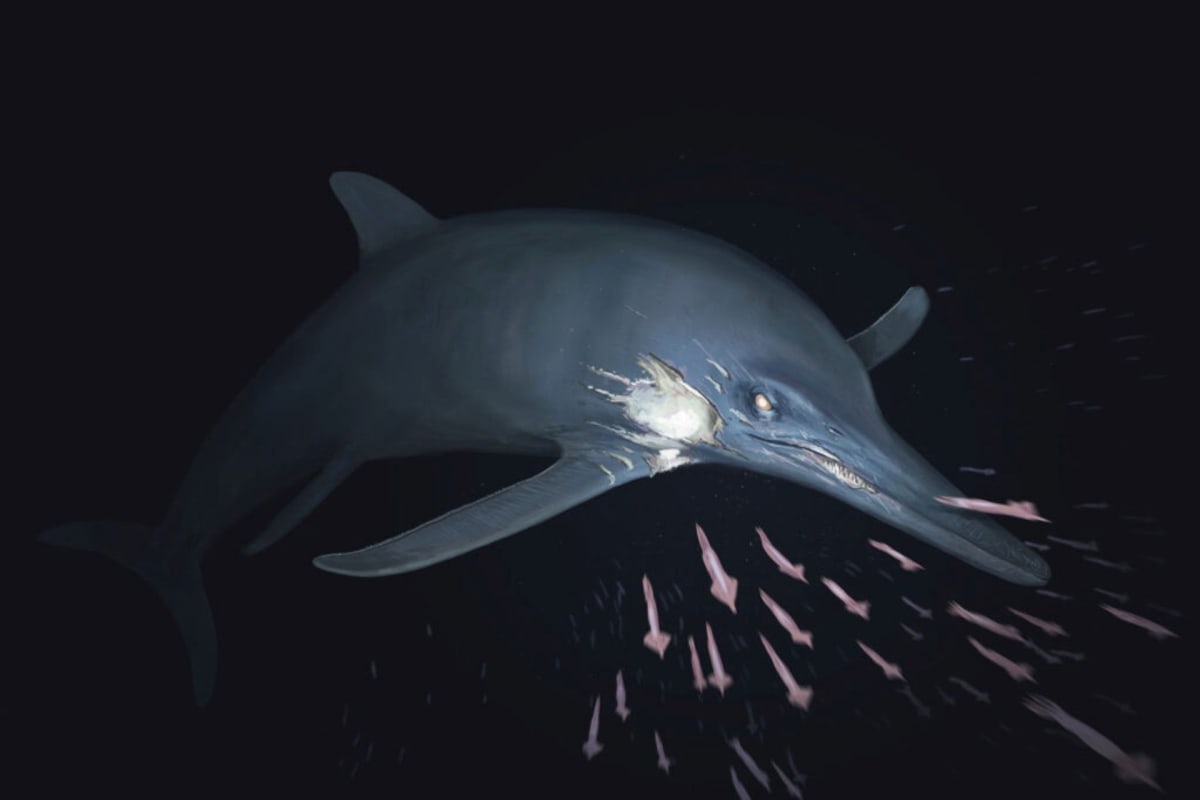
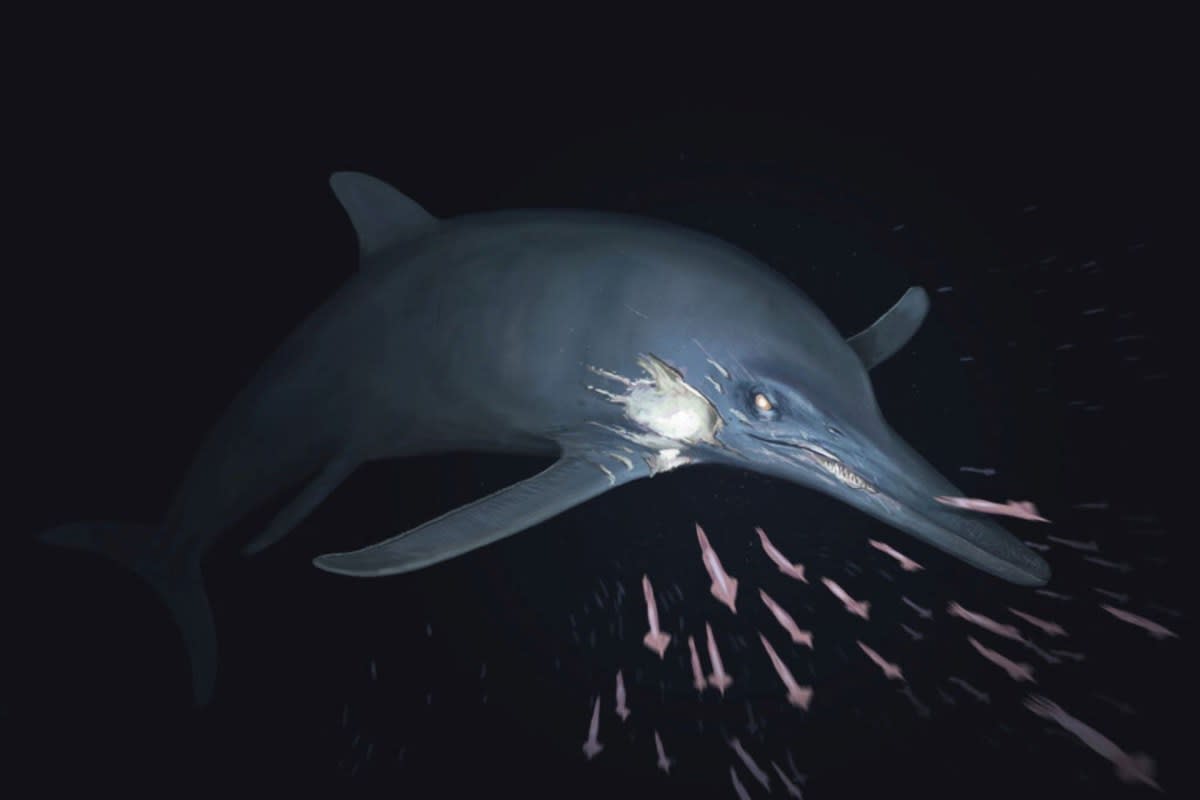
A dolphin-shaped predator that ruled the seas 180 million years ago survived what should have been fatal injuries by completely changing how it ate.
Scientists in Germany recently studied an ichthyosaur fossil from the genus Temnodontosaurus, a 20-foot marine reptile discovered in the Mistelgau clay pit near Bayreuth. What makes this find special isn't just its age or size, but the story of survival written in its bones.
The reptile lived with multiple serious injuries around its shoulder and jaw, wounds that would have made hunting nearly impossible in the traditional way. Yet somehow, this ancient predator adapted and survived long enough for researchers to piece together its remarkable story.
Study author Ulrike Albert noted this is "one of the youngest finds of this ichthyosaur genus to date," suggesting these creatures lived in the Southwest German Basin longer than scientists previously believed. The team recovered skull fragments, jaw pieces, parts of the shoulder area, forefins, sections of spine, and over 100 teeth.
The teeth tell a compelling story. Heavy wear patterns show the reptile changed its feeding behavior dramatically after getting injured. Even more fascinating, researchers found gastroliths in its abdominal region, stones the animal swallowed to help grind up food, something rarely seen in other ichthyosaur fossils.
"The injuries likely significantly limited the animal's ability to catch prey," explained study author Stefan Eggmaier. The damage to its pectoral girdle and jaw meant this predator had to find a completely new way to survive.
But survive it did. The reptile lived long enough after its injuries to develop new hunting strategies, wear down its teeth in unfamiliar ways, and swallow stones to aid digestion.
Why This Inspires
This fossil captures more than ancient anatomy. It preserves a testament to adaptation under pressure, showing that even 180 million years ago, life found ways to persist despite overwhelming challenges.
The discovery helps scientists understand how top ocean predators responded to stress and injury in prehistoric seas. Similar research recently allowed teams to analyze ocean organisms that went extinct 445 million years ago, building a clearer picture of how marine ecosystems evolved.
Fossil-rich sites like Mistelgau continue proving their worth, offering windows into resilience that transcends time itself.
More Images



Based on reporting by Google: fossil discovery
This story was written by BrightWire based on verified news reports.
Spread the positivity!
Share this good news with someone who needs it