9-Year-Old Chasing Dog Discovers 2-Million-Year-Old Ancestor
A boy tripping while chasing his pet in South Africa accidentally found one of the most complete early human ancestor fossils ever discovered. His chance stumble in 2008 gave scientists a rare window into how our ancient relatives lived and moved.
Matthew Berger was just nine years old when he followed his dog across the grassy hills near Malapa, South Africa, and stumbled on a discovery that would rewrite human history. The white bone sticking out of dark rock caught his eye in August 2008, and within moments, his father Lee, a leading fossil hunter, knew they'd found something extraordinary.
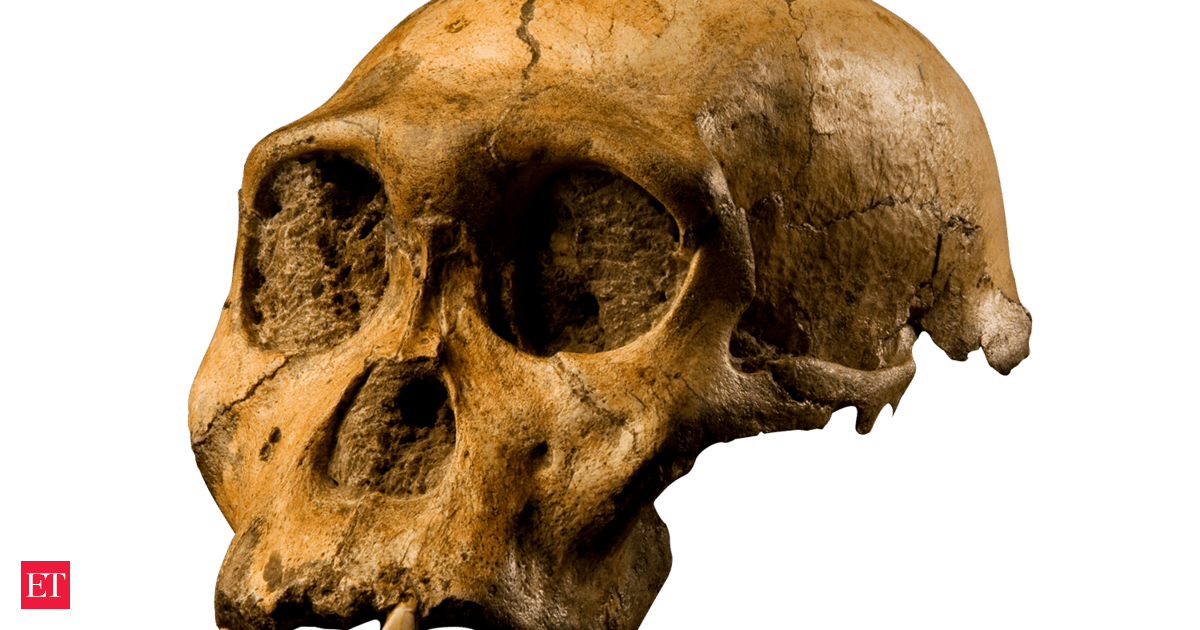
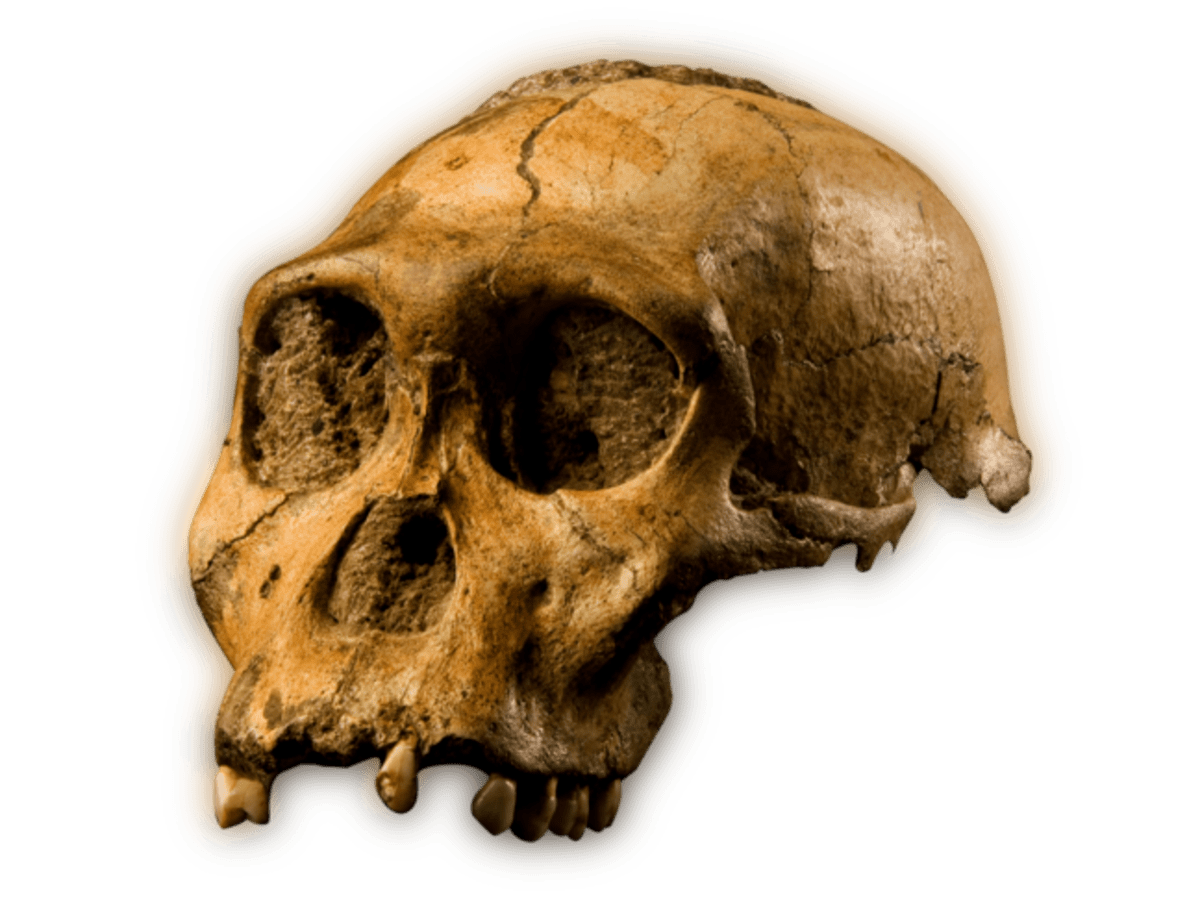
That bone belonged to Australopithecus sediba, a previously unknown species that lived 1.98 million years ago. Scientists named it "sediba," meaning "fountain" in the local Sesotho language, because it might represent a wellspring in the human family tree.
What makes this find remarkable is how complete the fossils were. The site contained skulls, hands, feet, pelvises, and bones from at least two individuals: a young male and an adult female. Most ancient sites yield only fragments, but Malapa offered researchers enough to reconstruct how these creatures actually lived.
Australopithecus sediba walked a fascinating line between ape and human. Its brain was small like earlier australopithecines, yet its skull shape and face hinted at more modern features. The pelvis and legs suggested upright walking, while the arms and hands retained traits perfect for climbing trees.
This mix of features fascinates scientists because it shows evolution doesn't happen in neat steps. Some researchers believe A. sediba might sit close to the origin of Homo, the group that eventually became modern humans, though this idea sparks debate since other early Homo species may have already existed.
Why This Inspires
Matthew's curiosity transformed a routine moment into one of the richest fossil discoveries of the 21st century. His father Lee Berger went on to lead the excavation with international teams, producing detailed studies that remain central to understanding human evolution today.
The fossils survived millions of years likely because a sudden event, perhaps a fall into a hidden cave shaft, buried and protected them. What seemed like tragedy for those ancient individuals became an incredible gift to science.
This story reminds us that world-changing discoveries don't always happen in labs or universities. Sometimes they happen because a nine-year-old follows his dog across a field and pays attention to what's under his feet.
More Images

Based on reporting by Google: fossil discovery
This story was written by BrightWire based on verified news reports.
Spread the positivity!
Share this good news with someone who needs it
%2Ffile%2Fattachments%2Forphans%2FtonyEIA1mainAtechnicianinspectsminemachineryattheGreensidecollieryimagePhilipMostertAngloAmerican_452625.jpg)