20 Indigenous Groups Unite to Protect Raja Ampat
Twenty Indigenous subtribes in Indonesia's Raja Ampat came together to reject mining and protect one of Earth's most biodiverse marine regions. Their unity comes after communities successfully fought to revoke four nickel mining permits threatening their ancestral lands.
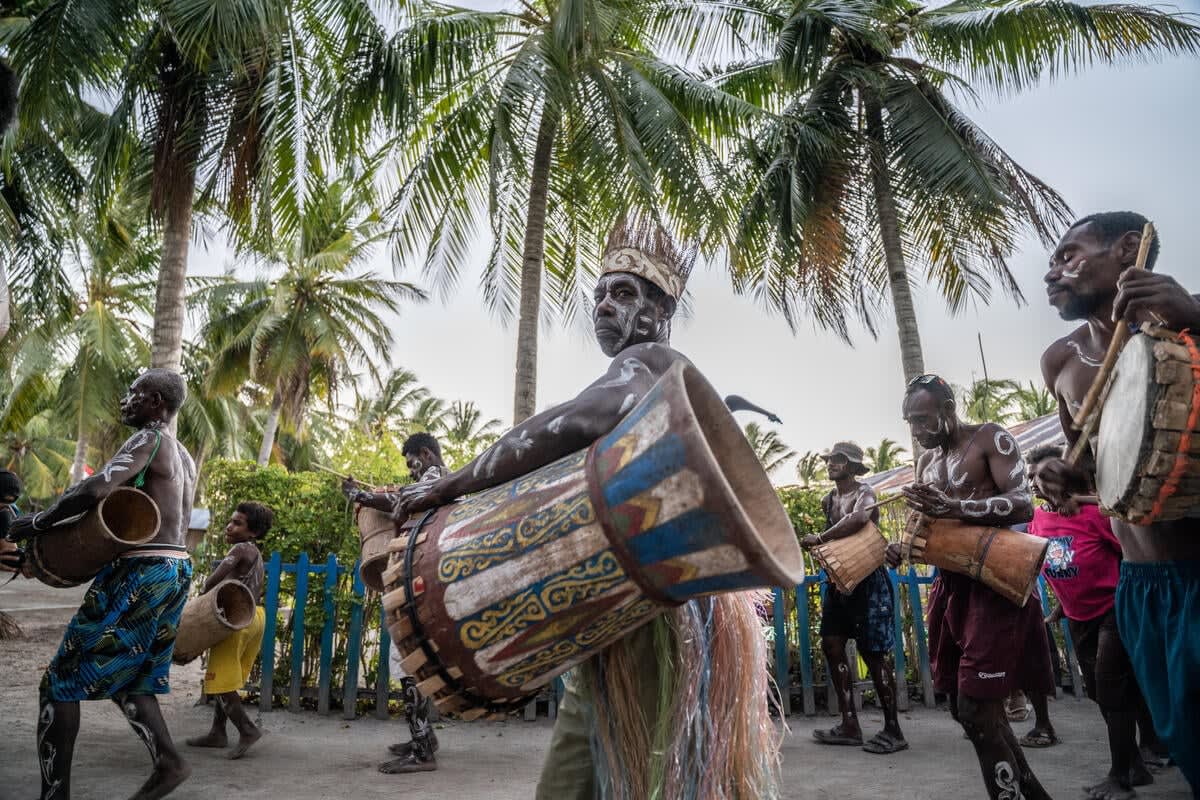
In a powerful show of solidarity, representatives from 20 Indigenous subtribes gathered on the tiny island of Arborek in August 2024 to take a stand for their home. Raja Ampat, an Indonesian archipelago sitting in the heart of the Coral Triangle, contains about 75% of the world's known coral species.
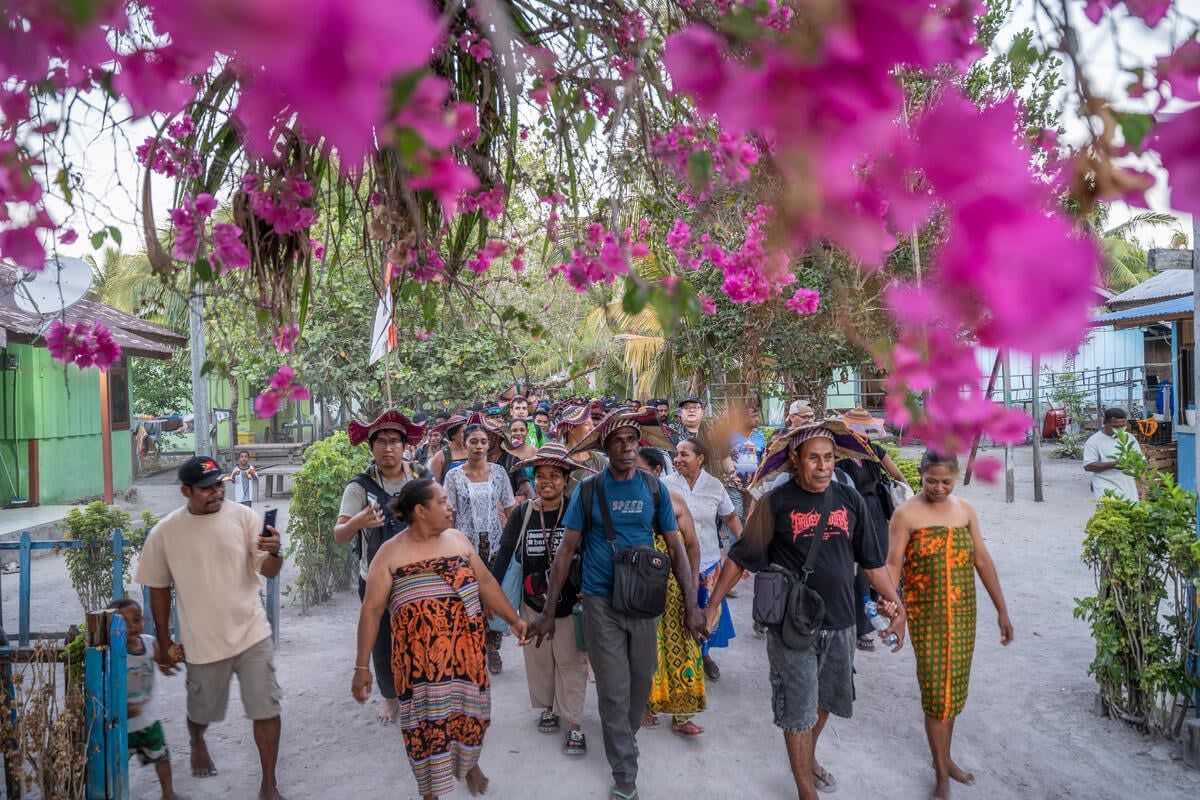
The four-day gathering, called Heyul Pelei Koranu Fyak, brought together communities that have governed these forests, reefs, and islands for generations according to their own customary systems. While these groups have distinct identities and sometimes competing territorial claims, they found common ground on one critical issue: protecting Raja Ampat from extractive industries.
Their unity didn't come easy. Nickel mining had created deep divisions within communities, with some seeing economic opportunity while others feared losing the land and sea they depend on. But Indigenous women's leader Ludia Mentasan, from the Moi Maya community, helped show what collective action could achieve.
Ludia led her community's fight against PT Nurham, a nickel mining company whose concession overlapped with their customary territory in Yensner village. When her story joined others in the #SaveRajaAmpat campaign in 2025, public pressure grew so strong that the government revoked mining permits for four companies on June 10, 2025, citing environmental violations.
The Ripple Effect
The gathering produced more than just the Arborek Resolution rejecting extractive activities. It created something communities hadn't had before: a mechanism for cooperation across different customary identities and competing interests.
Charles Imbir, director of Institut USBA, which helped organize the event, explained that divisions had intensified as mining projects entered the region. By bringing 20 subtribes together, communities are building strength against outside forces that could divide them and damage their relationships with each other and the natural world.
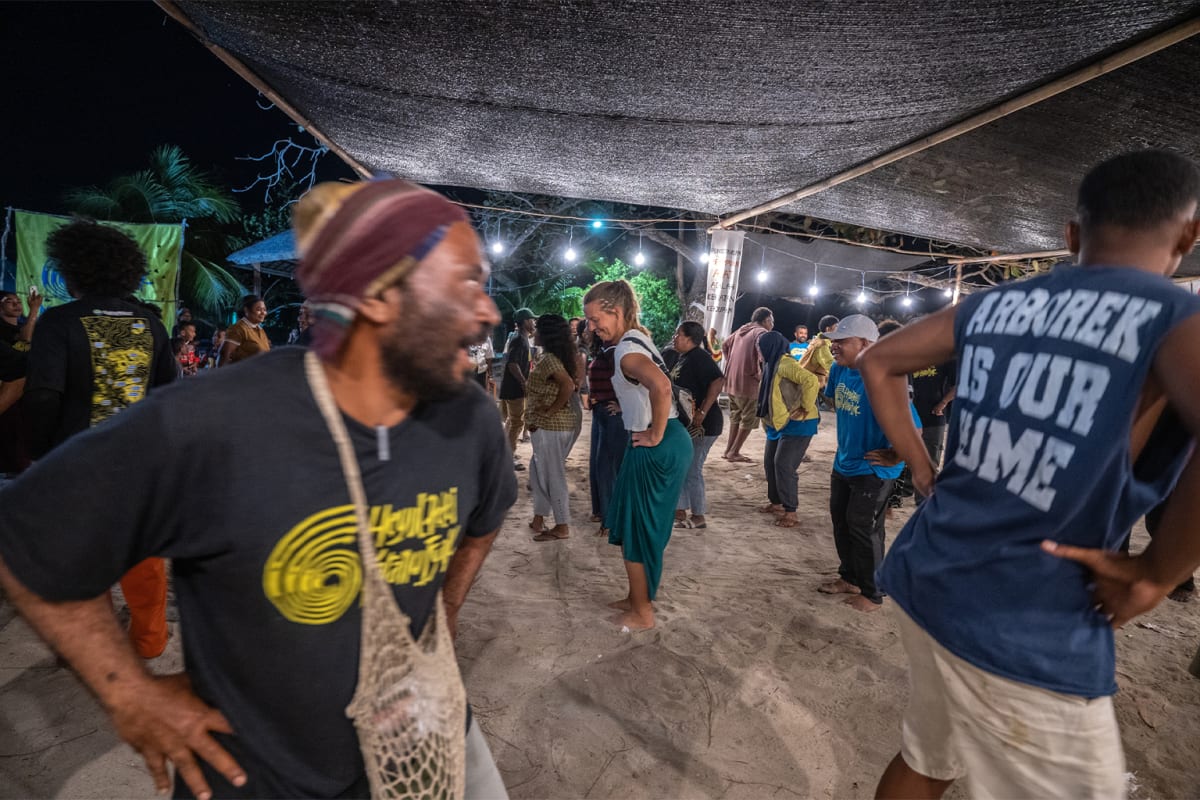
The participants shared knowledge through dialogues and cultural exchanges, dancing and singing together as they built trust. Their resolution makes clear that their destiny isn't determined by what lies beneath the earth or by promises that would take away their ancestral islands and seas.
The gathering also produced the Arborek Declaration, connecting Raja Ampat communities with Indigenous groups from the Amazon and Sarawak. Together, they're committing to stronger customary rights, knowledge sharing, and cooperation led by Indigenous youth and women.
What started as 20 subtribes finding common ground is now part of a global movement of Indigenous communities protecting the planet's most precious ecosystems.
More Images


Based on reporting by Mongabay
This story was written by BrightWire based on verified news reports.
Spread the positivity!
Share this good news with someone who needs it
%2Fhttps%3A%2F%2Ftf-cmsv2-smithsonianmag-media.s3.amazonaws.com%2Ffiler_public%2F3b%2Ff9%2F3bf963ae-c158-4aa5-bf52-4165a34fdef3%2Fhairy-new-fish-species-1.jpg)