20-Year Breast Cancer Vaccine Shows Stunning Survival Results
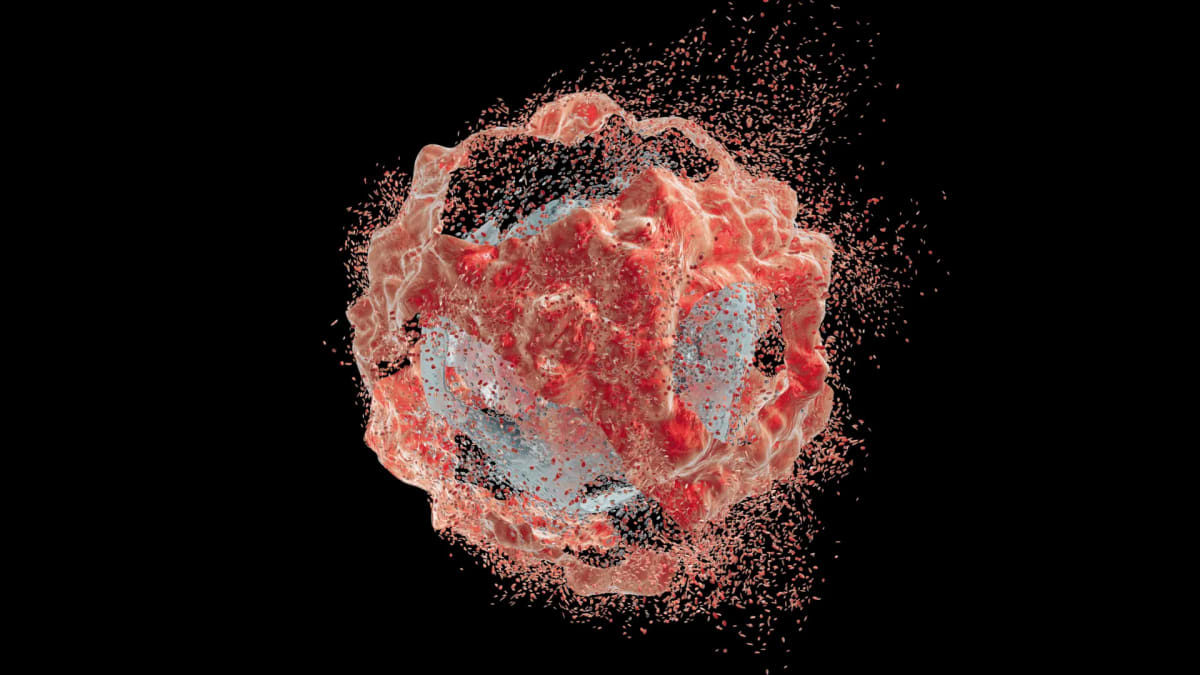
Every woman from a small 2000s breast cancer vaccine trial is alive today, decades past typical survival odds. Scientists now know why their immune systems stayed cancer-ready for 20 years.
More than two decades after receiving an experimental cancer vaccine, a small group of women with advanced breast cancer has defied every survival expectation. All of them are still alive, a phenomenon so unusual that scientists returned to study what made their bodies stay cancer-ready for so long.
Researchers at Duke Health decided to examine the immune systems of these remarkable survivors. What they found could change how future cancer vaccines work forever.
The women's bodies were still carrying powerful immune cells that recognized their cancer many years after treatment. These cells expressed a marker called CD27, which helps the immune system remember threats and fight them again later.
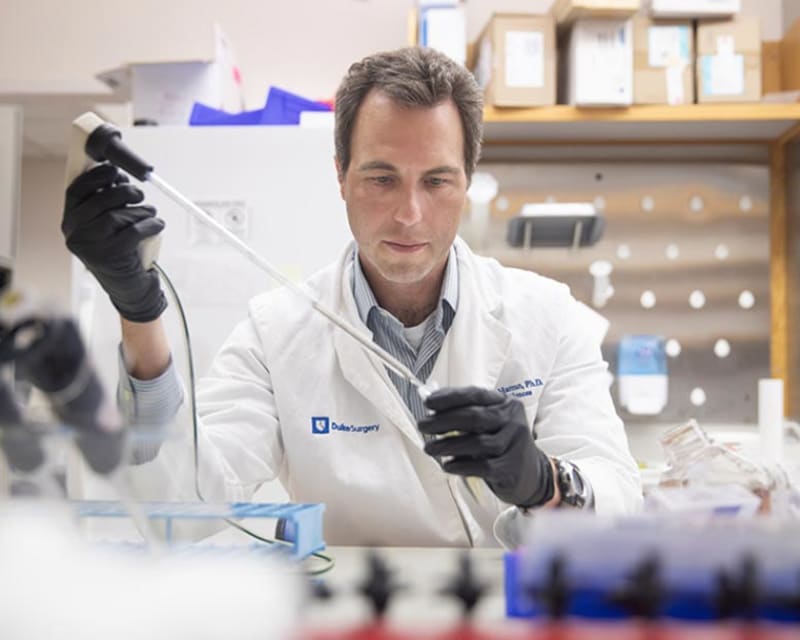
The discovery, published in Science Immunology, stunned the research team. "We were amazed to see such durable immune responses so many years later," said Dr. Zachary Hartman, senior author of the study and associate professor at Duke University School of Medicine.
Armed with this knowledge, the team developed a new antibody designed to activate CD27 alongside a HER2 cancer vaccine. They tested it in mice, and the results were dramatic.
Nearly 40% of mice receiving the combined treatment showed complete tumor regression. Only 6% of mice given the vaccine alone had the same outcome.
The Bright Side
The research revealed something cancer scientists rarely celebrate: the unsung heroes of immune defense. The antibody worked by supercharging CD4+ T cells, often called "helper" cells because they support other immune fighters.
Cancer research typically focuses on CD8+ "killer" T cells, but this study shows CD4+ cells deserve equal attention. These helper cells drive long-term immune memory and make other immune cells more effective at their jobs.
When researchers added a second antibody targeting CD8+ cells, tumor rejection rates jumped to nearly 90% in mice. Even better, the CD27 antibody only needed to be given once, at the same time as the vaccine, to create lasting protection.
This simplicity could make the approach easier to combine with existing cancer treatments already used in patients, including immune checkpoint inhibitors. Hartman believes this discovery addresses a long-standing frustration in cancer medicine.
"We've known for a long time that vaccines can work against cancer, but they haven't lived up to the hype," he said. "This could be a missing piece of the puzzle."
The original trial was led by Dr. Herbert Kim Lyerly at Duke University School of Medicine. The research received funding from the National Institutes of Health and the Department of Defense.
For women facing breast cancer today, this research offers something powerful: proof that the immune system can remember how to fight cancer for decades and hope that scientists are finally learning how to make that memory even stronger.
More Images
Based on reporting by Google News - Health
This story was written by BrightWire based on verified news reports.
Spread the positivity!
Share this good news with someone who needs it