200 Vrindavan Widows Celebrate Holi in Colorful Rebellion
In 2026, over 200 widows in Vrindavan, India, transformed an ancient temple into a riot of color, reclaiming a festival tradition that once excluded them. What started as quiet resistance is becoming the new tradition.
For generations, widows in Vrindavan were expected to live in white, stay silent, and skip the color. But at Gopinath Temple this year, over 200 women decided joy wasn't something they had to give up.
Thousands of widows have spent decades living in Vrindavan's ashrams, often cut off from family, financial support, and festive life. Traditional beliefs told them that grief meant giving up celebration forever, especially during Holi, India's vibrant festival of color.
But widow Holi began as something powerful. These women started gathering to play Holi together, proving that loss doesn't erase the right to community, visibility, and joy.
The movement gained momentum with support from Sulabh International, which linked celebration with dignity and social reform. In 2012, India's Supreme Court issued a directive calling for better living conditions and social inclusion for widows, strengthening the legal foundation for change.
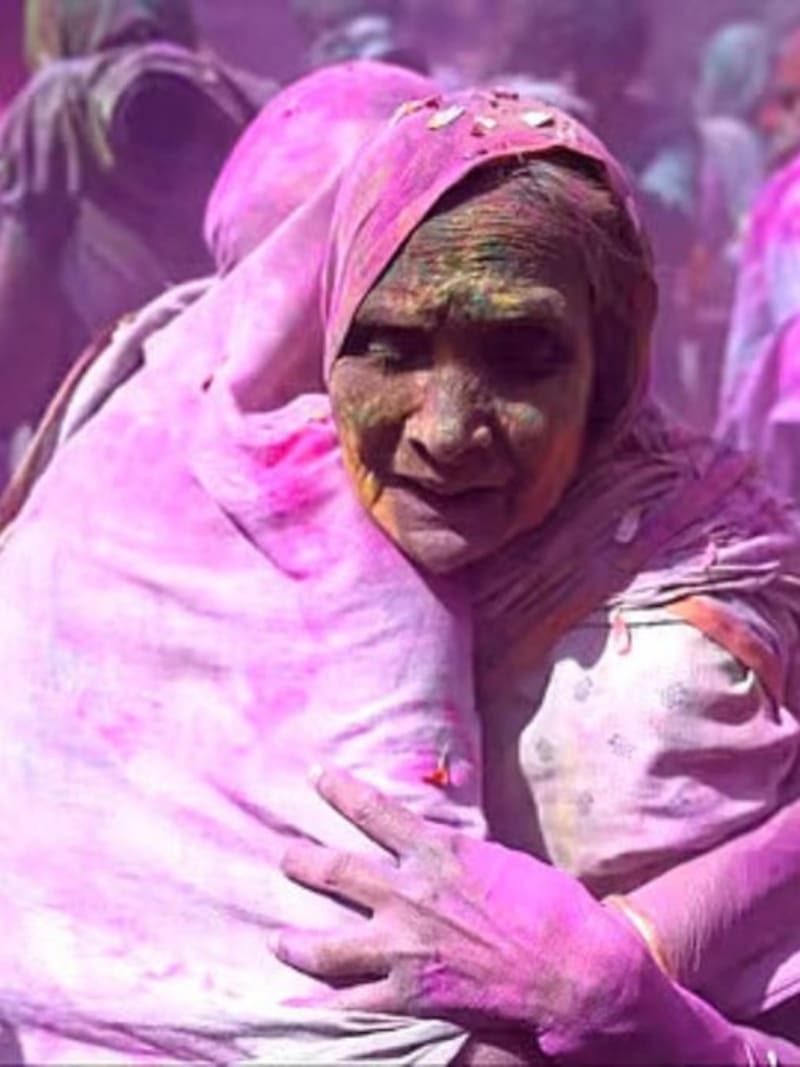
Now the scene at Gopinath Temple tells a different story entirely. The air fills with gulal powder in every shade imaginable, marigold petals rain down like confetti, and bhajans echo through the courtyards as women once confined to mourning clothes are drenched in vibrant color.
The 2026 celebration marked one of the largest gatherings yet, with women from multiple ashrams joining together. What was once labeled rebellion is steadily becoming accepted tradition.
The Ripple Effect
This shift reaches far beyond a single day of celebration. Younger generations watching these women reclaim Holi are learning that widowhood doesn't mean invisibility, and that faith traditions can evolve without losing their spiritual core.
The celebration proves that devotion and reform aren't opposites. These women honor their faith while refusing to let outdated stigma define their worth or limit their participation in community life.
Other communities across India are taking notice, with similar widow Holi celebrations sprouting in different cities. The message is spreading that dignity, joy, and tradition can coexist.
Every splash of color at Gopinath Temple challenges the idea that grief requires a lifetime of isolation. These 200 women are literally painting a new picture of what widowhood can look like in modern India.
Based on reporting by The Better India
This story was written by BrightWire based on verified news reports.
Spread the positivity!
Share this good news with someone who needs it