200-Year-Old Building Technique Saves Shimla Homestay
A Shimla homestay built with ancient dhajji dewari architecture stands strong through earthquakes while modern buildings crumble. Madhavi Bhatia restored her family's 130-year-old home using traditional earthquake-resistant methods and zero cement.
While modern buildings collapse during earthquakes in Himachal Pradesh, one 130-year-old homestay in Shimla stays standing thanks to an ancient building secret.
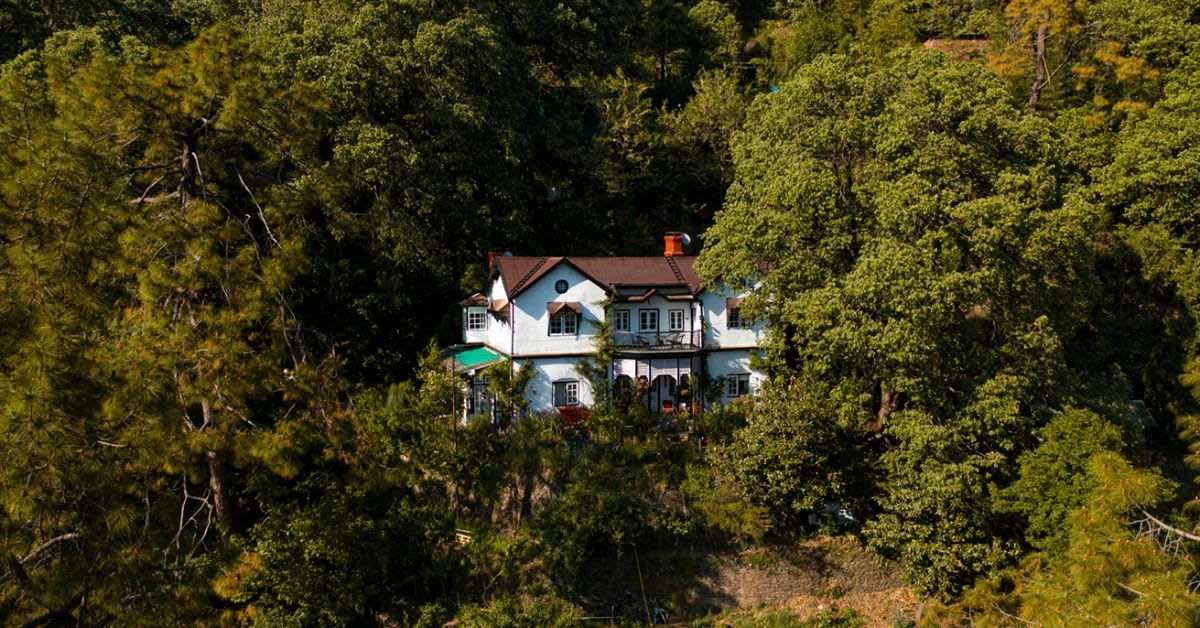
Madhavi Bhatia's ancestral home, now called Sunnymead, was built in the 1890s using dhajji dewari, a traditional Indian technique that makes structures tilt instead of crash during earthquakes. The name comes from a Persian word for quilt patchwork, which describes how the walls look once built.
When Madhavi inherited the property in 2010, it had become overgrown and neglected. She quit her corporate job in Delhi and moved to Shimla to save the family home from becoming what she calls a "white elephant."
The biggest challenge? Finding workers who still knew how to build with dhajji dewari. Modern construction in the region relies on cement and steel, but these materials often fail during seismic events.
Madhavi refused to compromise on the traditional method, even though it meant a longer, more difficult renovation. She spent two years searching for masons trained in the ancient technique and sourcing repurposed wood to match the original construction.
In 2012, Sunnymead opened as an eco-friendly homestay. Madhavi kept her promise: not a single drop of cement was used in the restoration. The home maintains its original earthquake-resistant design while welcoming travelers who learn about sustainable building practices.
The Ripple Effect
Sunnymead proves that old doesn't mean obsolete. While Himachal Pradesh sits in a high-risk seismic zone where monsoons regularly trigger earthquakes and landslides, this homestay demonstrates how traditional building wisdom can outperform modern shortcuts.
The dhajji dewari technique uses a wooden frame filled with stone and mud, creating flexibility that absorbs seismic shocks. When earthquakes hit, the building sways but stays intact, protecting everyone inside.
Madhavi's decision to preserve this architectural heritage does more than keep one building safe. It shows other property owners in earthquake-prone regions that sustainable, traditional methods work better than concrete and steel.
The homestay has become a living classroom. Guests leave understanding why their ancestors built the way they did, and some take that knowledge back to their own communities.
One family's choice to honor the past is helping secure the future for an entire region vulnerable to natural disasters.
More Images
%2Fenglish-betterindia%2Fmedia%2Fpost_attachments%2Fuploads%2F2023%2F08%2Fsustainable-homestay_11zon-1693486445.jpg)
%2Fenglish-betterindia%2Fmedia%2Fmedia_files%2F2026%2F09%2F15%2Fbamboo-uses-in-india-2026-09-15-19-08-36.png)
Based on reporting by The Better India
This story was written by BrightWire based on verified news reports.
Spread the positivity!
Share this good news with someone who needs it