2,000 Volunteers Rally to Save Northeast England Beaches
After a billion plastic pellets spilled into the ocean, an inspiring army of volunteers armed with dustpans and kitchen sieves are painstakingly cleaning beaches grain by grain. Their grassroots response is showing what community love for coastlines looks like in action.
When Alice Laverty first arrived at Whitley Bay beach with her dustpan and brush, she was alone. Just days after a ship collision at the Port of Tyne released a billion tiny plastic pellets called nurdles into the ocean on July 19, she watched them wash ashore like soup.
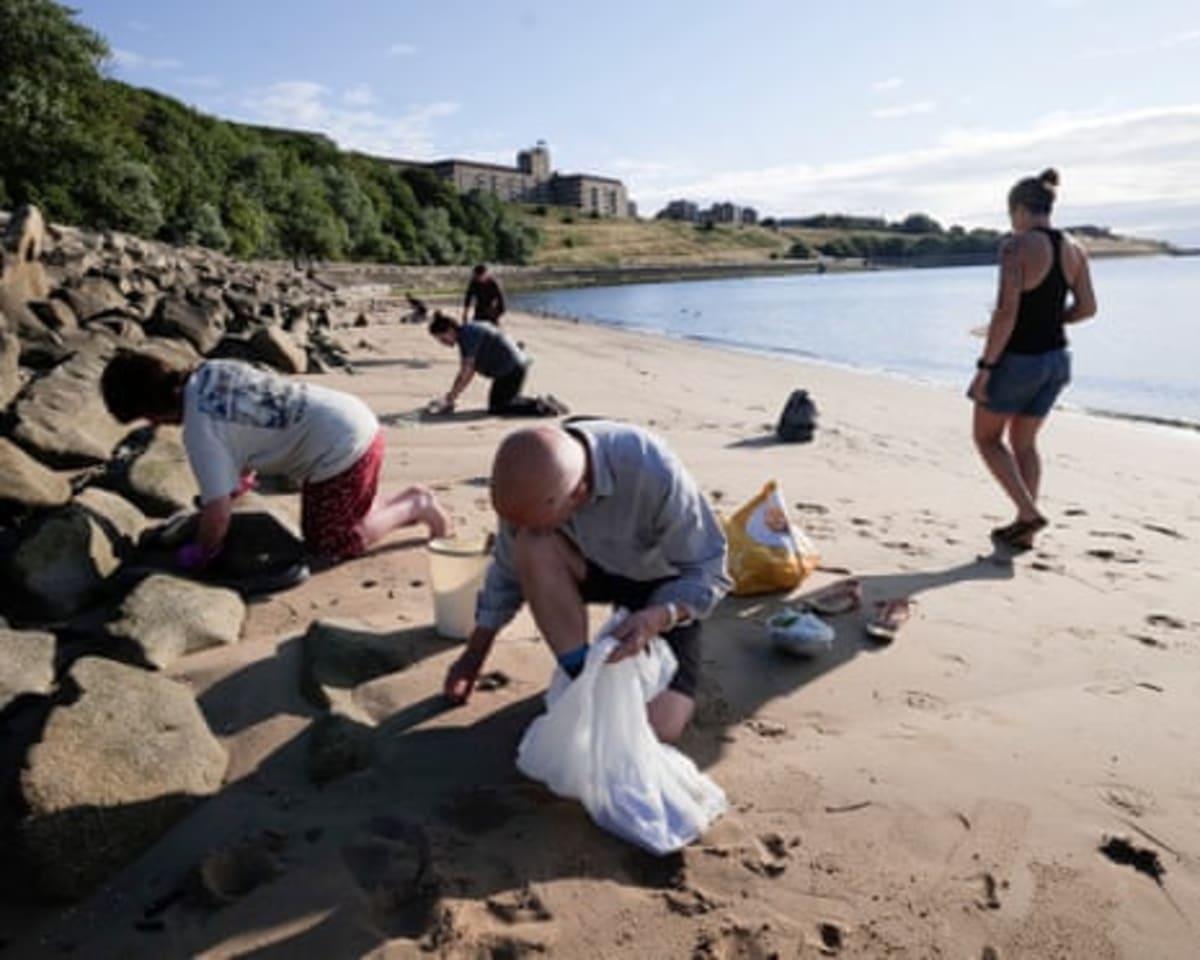
Now, thanks to WhatsApp groups and social media, Laverty has been joined by up to 2,000 dedicated volunteers across beaches from Cambois in Northumberland to Seaburn on Wearside. They're all armed with the same basic tools: dustpans, brushes, buckets, and kitchen sieves.
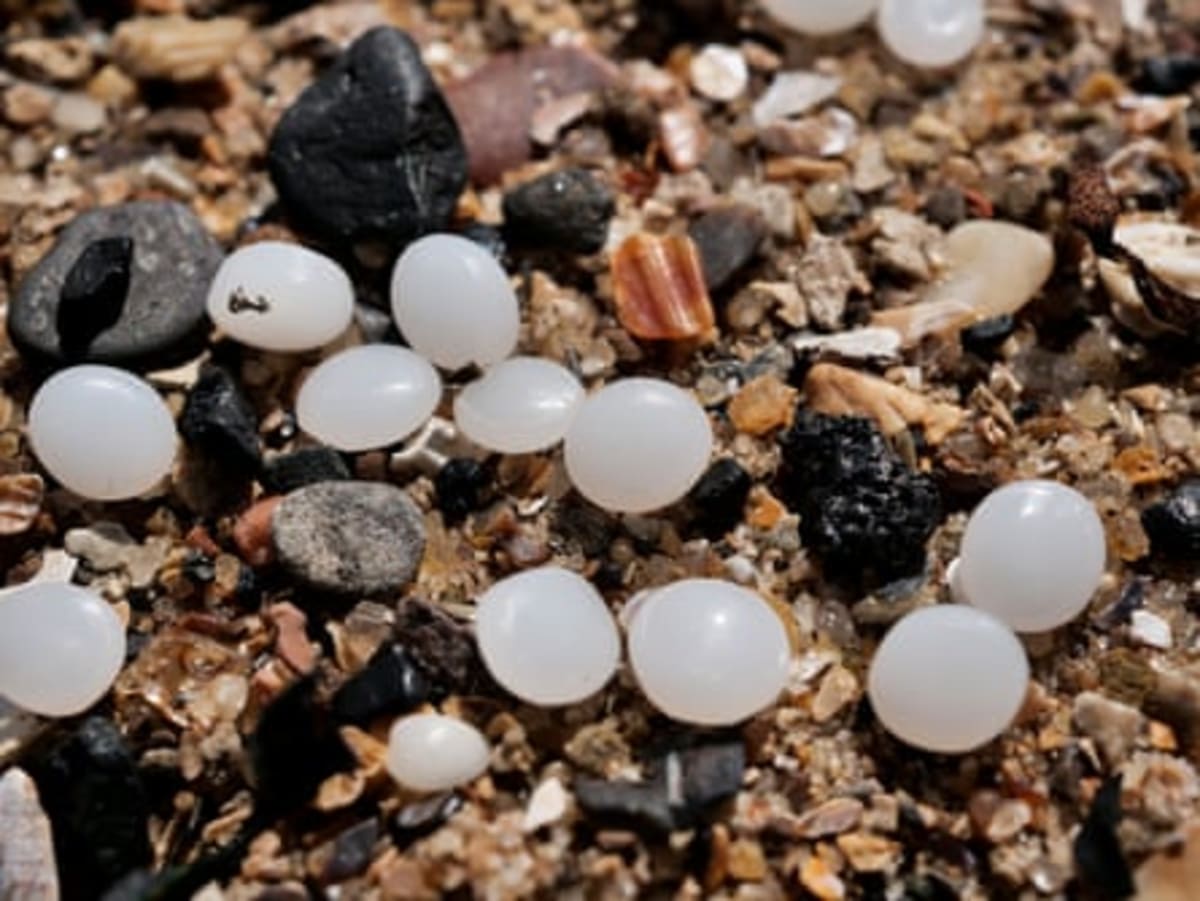
The task is staggering. These lentil-sized plastic pellets are the raw material for most plastic products, and about 25 tonnes of them spilled into the water. They're small enough that animals mistake them for food, and they've already clogged boat engines and scattered across the sand.
Volunteers work section by section, drawing squares in the sand and sifting through grains on their hands and knees. Some days the nurdles are everywhere. Other days people have to search carefully, but they're always there.
"It becomes quite addictive," Laverty said. "I can't walk past a nurdle without picking it up, and I reckon most Whitley Bay residents will be exactly the same."
Helen Charlton, a business academic, explained why she keeps coming back. "This is our home. I'm north-east born and bred and I'm incredibly proud of this region." She wants shipping and coastlines to coexist peacefully.
Lou Shackleton, a mother of a five-year-old, thinks about the bigger picture. "Everything is interconnected. The people that are fishing need the fish to be there and healthy. The seals need the fish."
The Ripple Effect
The volunteer response has sparked its own wave of grassroots innovation. Amy Ash, a user experience designer who surfs and swims these waters, created a web app to organize and mobilize volunteers. Dozens more have been sewing mesh bags from scaffolding fabric specifically designed for collecting nurdles.
By the time the Guardian visited, volunteers had logged about 3,000 hours and recovered an estimated 285 kilograms of nurdles. The cleanup continues every morning and evening, racing against the tides.
Official responses from the Port of Tyne, HM Coastguard, the Environment Agency, and local councils are coordinating with the volunteer effort. North-east mayor Kim McGuinness has promised to hold shipowners accountable for what she called "a pollution emergency."
Laverty compared their task to an ancient Greek myth where Aphrodite punishes Psyche by mixing grains, seeds, and lentils, then demanding she separate them by dawn. In the story, an army of sympathetic ants comes to the rescue.
"There's no nurdle fairy," Laverty said, explaining why volunteers couldn't wait for official responses. "This needs to be cleaned up now."
More Images

Based on reporting by Guardian Environment
This story was written by BrightWire based on verified news reports.
Spread the positivity!
Share this good news with someone who needs it