Scientist Solves 40-Year Mystery of Pink-Striped Seaweed
After four decades of searching, a marine biologist has finally identified a tiny pink-striped seaweed as an entirely new species living in UK waters. The discovery highlights the hidden biodiversity still waiting to be found in Britain's ancient underwater maerl beds.
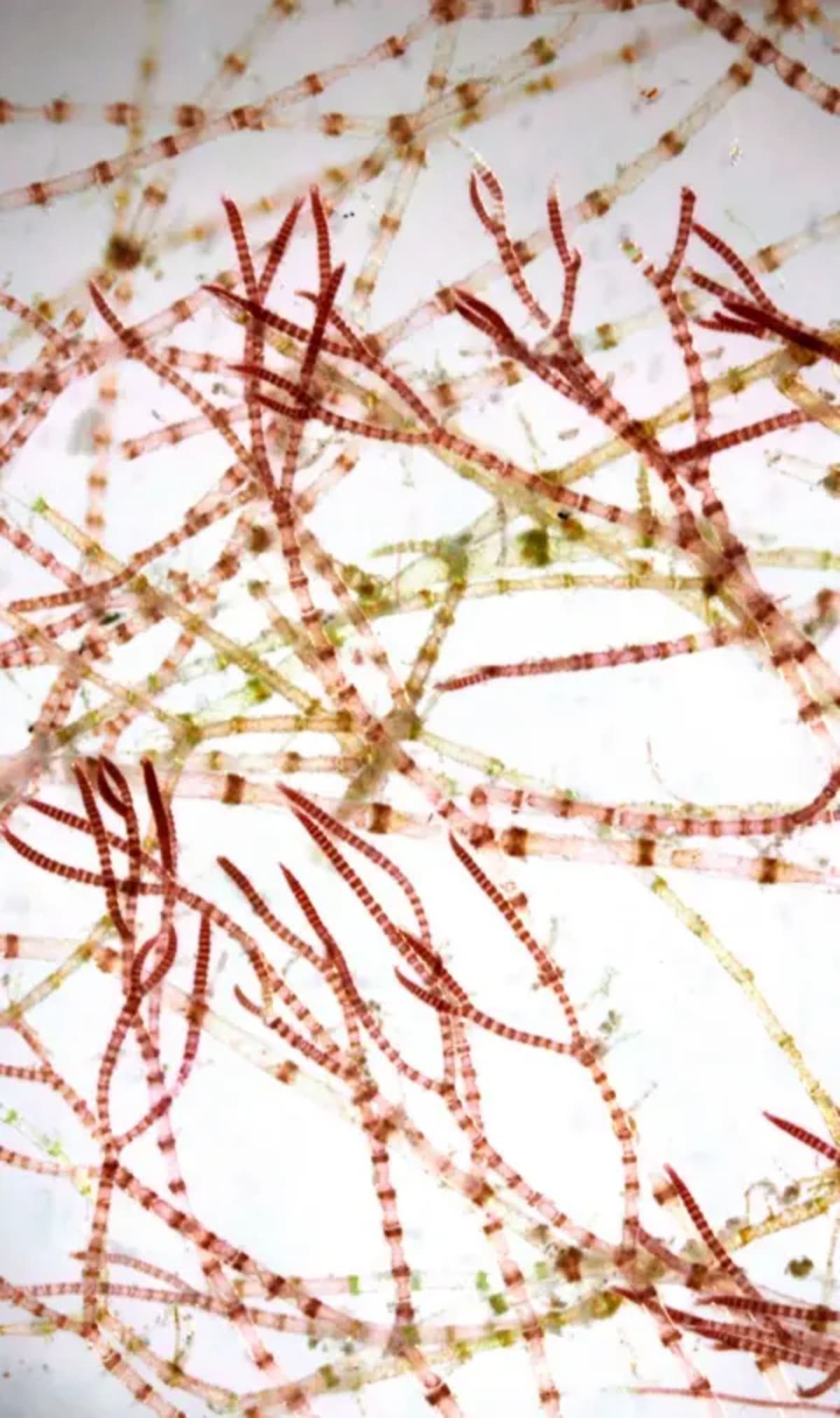
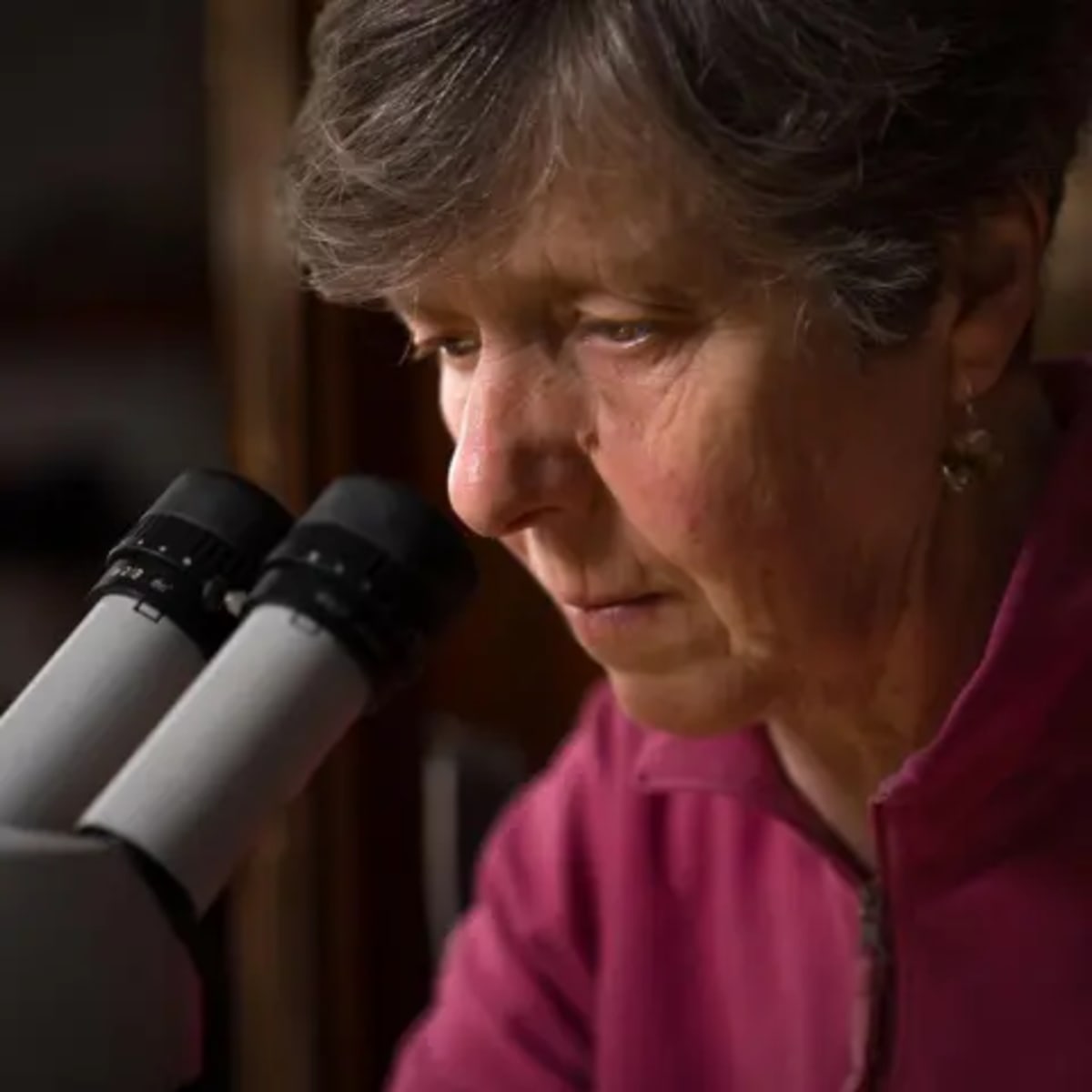
Christine Maggs spotted something unusual while studying for her PhD 40 years ago: a fragment of pink-striped seaweed unlike anything she'd seen before.
The tiny specimen lived on maerl beds, ancient carpets of calcified seaweed that create some of the richest habitats in British waters. Maggs suspected it was a new species, but she needed a larger sample to prove it.
What followed was a scientific treasure hunt spanning four decades. Maggs caught fleeting glimpses throughout her career, once spotting it on a sea squirt, but never enough to formally identify it. She kept searching, determined to solve the mystery.
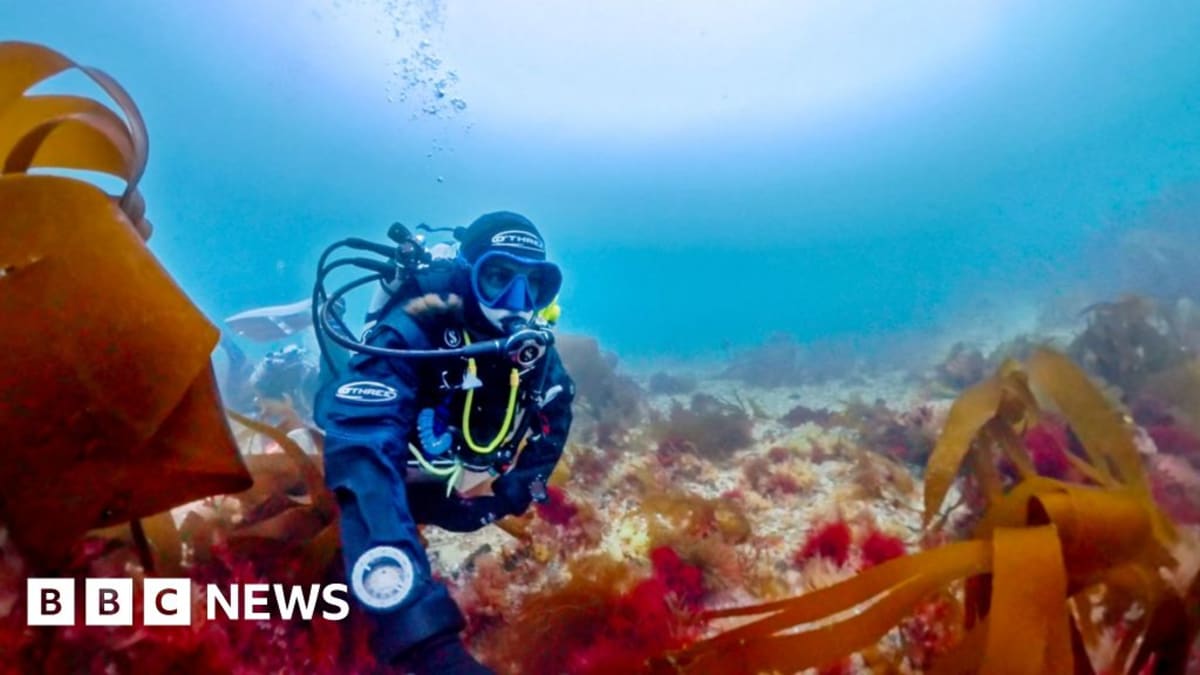
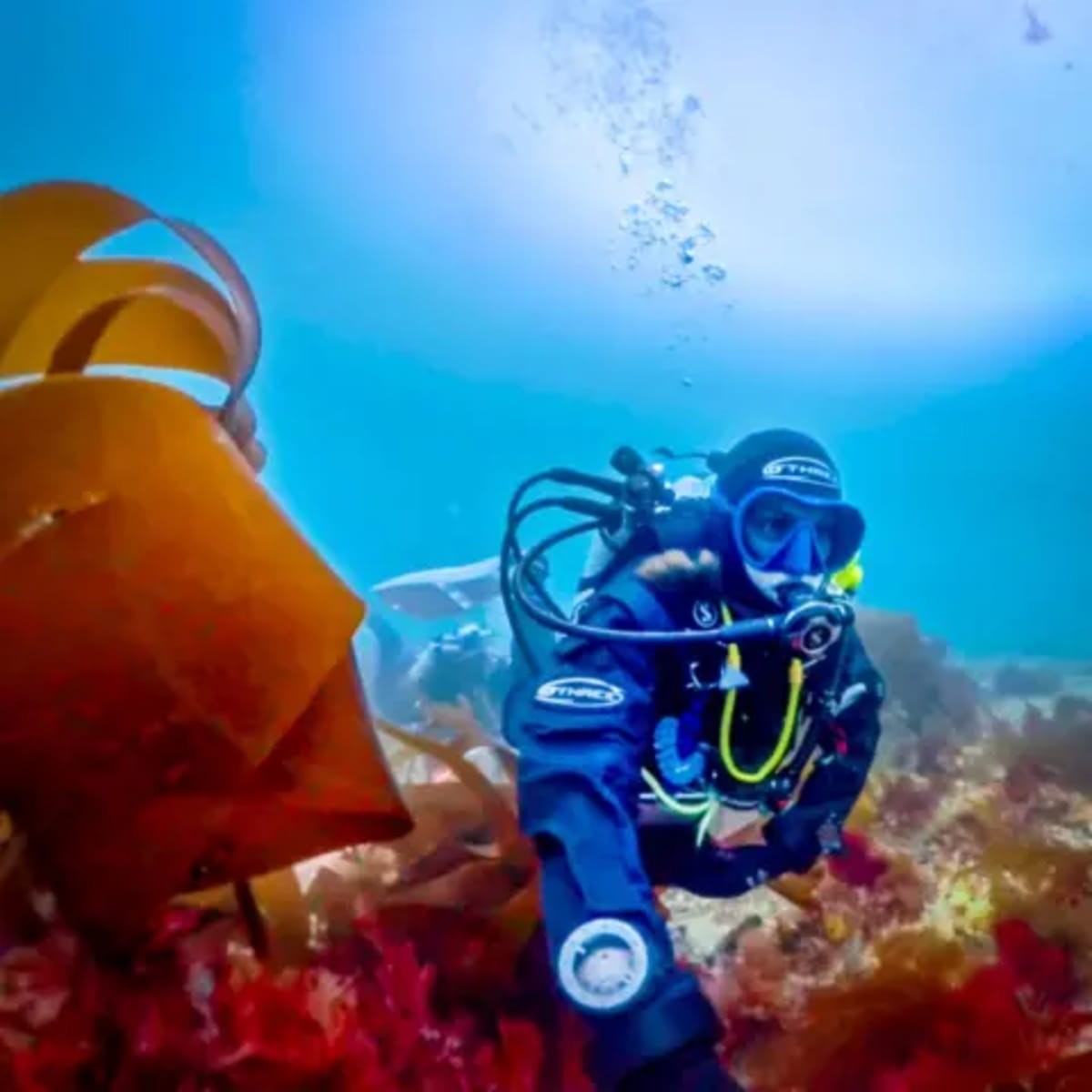
Then two years ago, divers surveying maerl beds in Cornwall found what Maggs had been seeking. Marine biologist Francis Bunker, who spotted the seaweed while examining samples with a magnifying glass, recognized it might be the species Maggs had hunted for decades. He gathered as much as he could and sent it to her in London.
Maggs bought a wine fridge to store the precious sample in perfect dark, cool conditions. She needed to grow the seaweed large enough for DNA sequencing, a painstaking process that required patience and precision.
The wait paid off. With help from geneticist Beatriz de Barros Barreto, Maggs confirmed what she'd suspected for 40 years: the pink-banded seaweed with pincer tips was indeed new to science.
Why This Inspires
This discovery proves that even in well-studied British waters, nature still holds secrets waiting to be uncovered. The new species joined the Natural History Museum's official collection, adding to our understanding of marine biodiversity.
The finding also highlights the importance of maerl beds themselves. These underwater habitats support countless species, provide nurseries for economically important fish, and contain seaweeds with properties used in medicines from acid reflux treatments to wound dressings.
Professor Craig Schneider, who wasn't involved in the study, called the discovery "significant" to science. He said it could boost efforts to protect maerl beds, which are classified as threatened and declining habitats in the North-East Atlantic.
Only four protected maerl sites currently exist in the UK, including the Fal and Helford Special Area of Conservation where the new species was found. Divers working on these sites describe the experience as magical, encountering spider crabs, starfish, king scallops, and goby fish among the ancient seaweed carpets.
Maggs' findings will soon be published in the peer-reviewed journal Phycologia, marking the end of one scientist's 40-year quest and the beginning of new questions about what else might be hiding in Britain's underwater worlds.
More Images

Based on reporting by BBC Science
This story was written by BrightWire based on verified news reports.
Spread the positivity!
Share this good news with someone who needs it
%2Fhttps%3A%2F%2Ftf-cmsv2-smithsonianmag-media.s3.amazonaws.com%2Ffiler_public%2F23%2F1f%2F231f084b-5f01-4ff1-bd35-e430fcf3c20c%2F22soloman_siren_by_jason_decaires_taylor_sculpture.jpg)