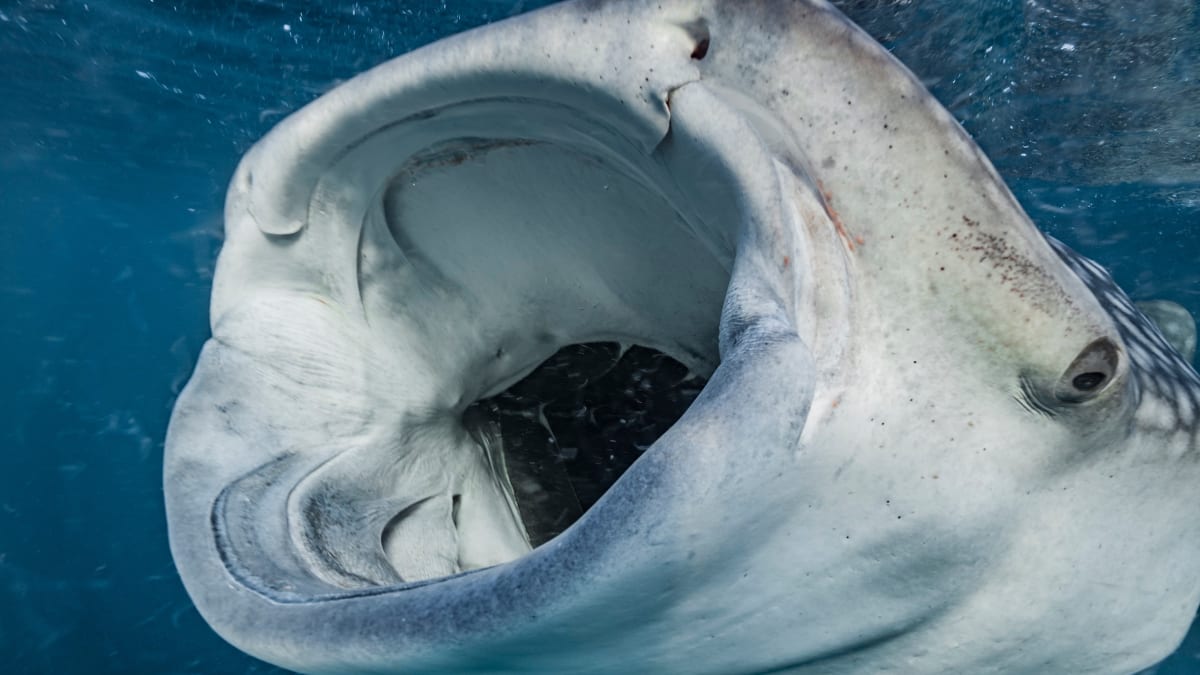
Cameras on Whale Sharks Reveal 6 New Feeding Behaviors
Scientists strapped cameras to whale sharks for the first time and discovered the ocean's biggest fish spend most of their time feeding underwater using techniques never seen before. The footage revealed six completely new feeding behaviors and solved a mystery about how these giants survive in nutrient-poor waters.
The ocean's biggest fish just revealed secrets they've been keeping hundreds of feet below the surface, and it's changing what scientists thought they knew about survival in the deep.
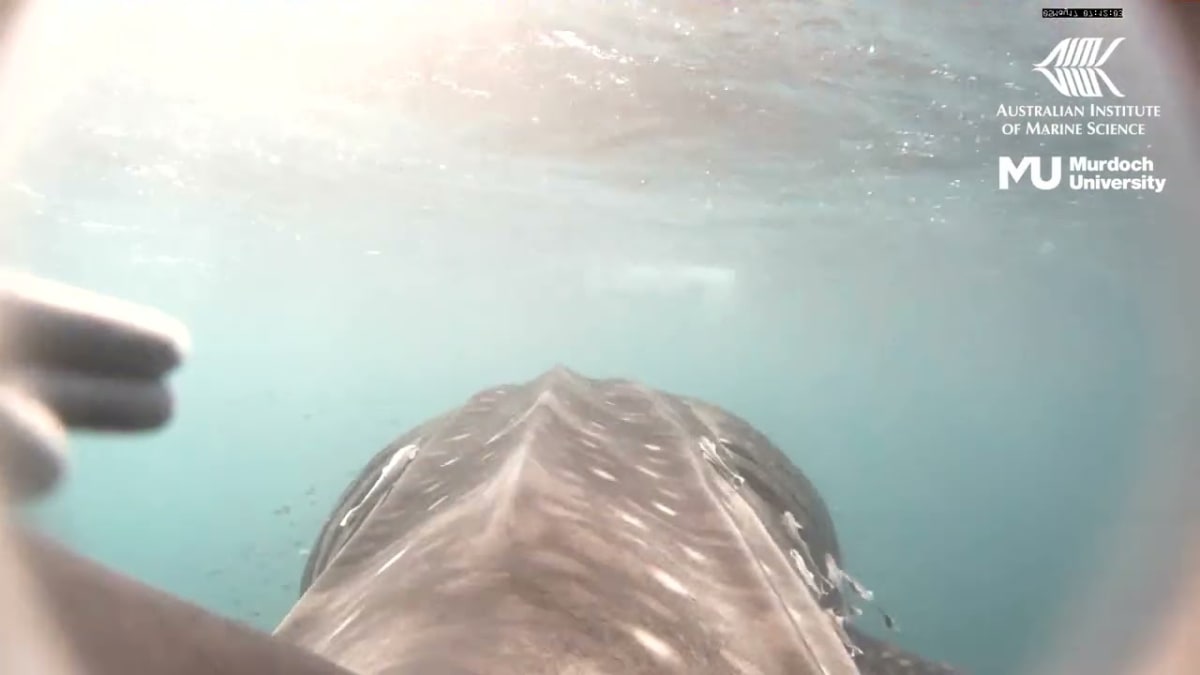
Researchers strapped cameras directly onto 10 whale sharks at Ningaloo Reef in Western Australia, capturing more than 22 hours of footage from the sharks' own perspective. What they saw astonished them.
The gentle giants weren't just occasionally snacking underwater. They were constantly feeding using a surprising variety of techniques that had never been documented before.
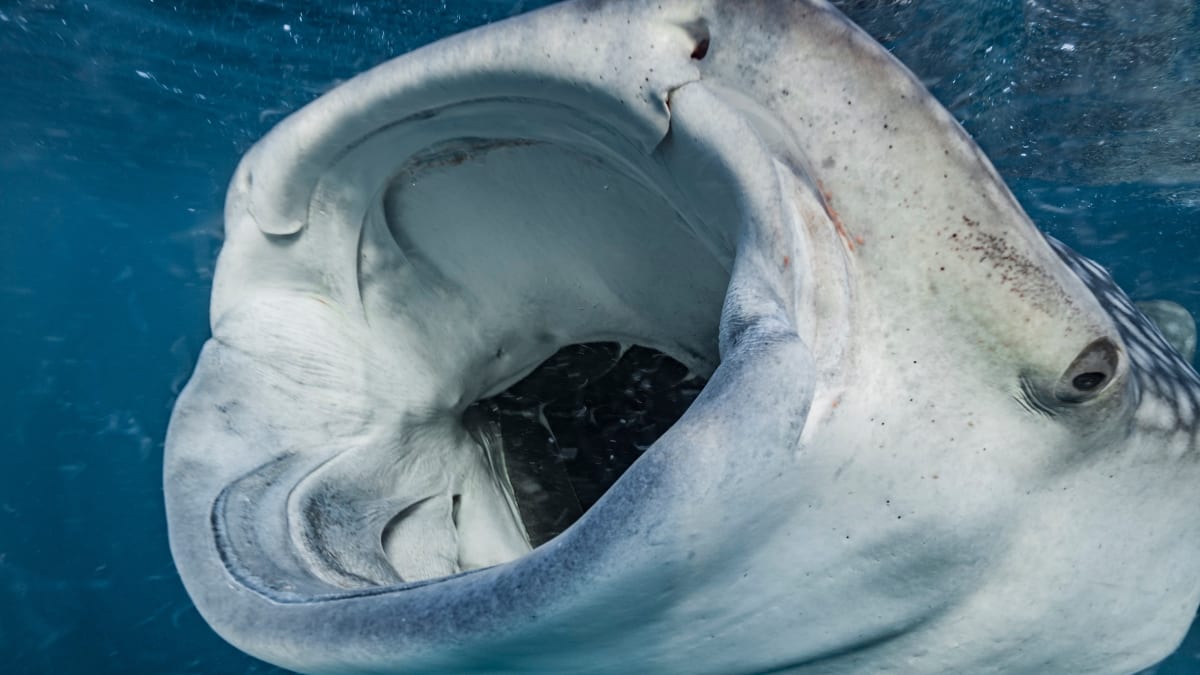
The cameras caught whale sharks filtering food while cruising through open water, gliding downward with mouths open during deep dives, and even feeding while swimming just above the seafloor. Of the 36 distinct behaviors scientists cataloged, 12 were related to feeding and six had never been recorded.
Before this study, scientists could only observe whale sharks from boats, planes, or by swimming alongside them near the surface. They were missing most of the action.
A 2020 study had hinted at this hidden world, estimating that whale sharks might spend up to 20 percent of their day foraging at depth but less than 1 percent feeding at the surface. The new cameras confirmed it.
This discovery helps solve a puzzle that has stumped marine biologists for years. How does a fish that grows to 60 feet long survive on tiny prey like krill, fish eggs, and plankton in tropical waters notoriously poor in nutrients?
Why This Inspires
The answer reveals nature's remarkable adaptability. By switching between so many different feeding techniques at various depths, whale sharks have mastered the art of thriving where food is scarce.
Philip Motta, a professor emeritus of biology at the University of South Florida, called the videos "very valuable" new information on whale shark feeding behaviors that had been poorly documented until now. The study, published in Marine Biology, represents the most comprehensive catalog of whale shark behavior to date.
The cameras still couldn't capture everything. Whale sharks dive hundreds of feet below the surface where sunlight disappears and conventional cameras go dark, meaning the most important discoveries about these gentle giants may still be waiting in the deep.
Sometimes the best way to understand something is simply to see the world through its eyes.
More Images

Based on reporting by Live Science
This story was written by BrightWire based on verified news reports.
Spread the positivity!
Share this good news with someone who needs it
%2Ffile%2Fattachments%2F2998%2F14147038_376896.jpg)