2,000-Year-Old Celtic Silver Hoard Found in Germany
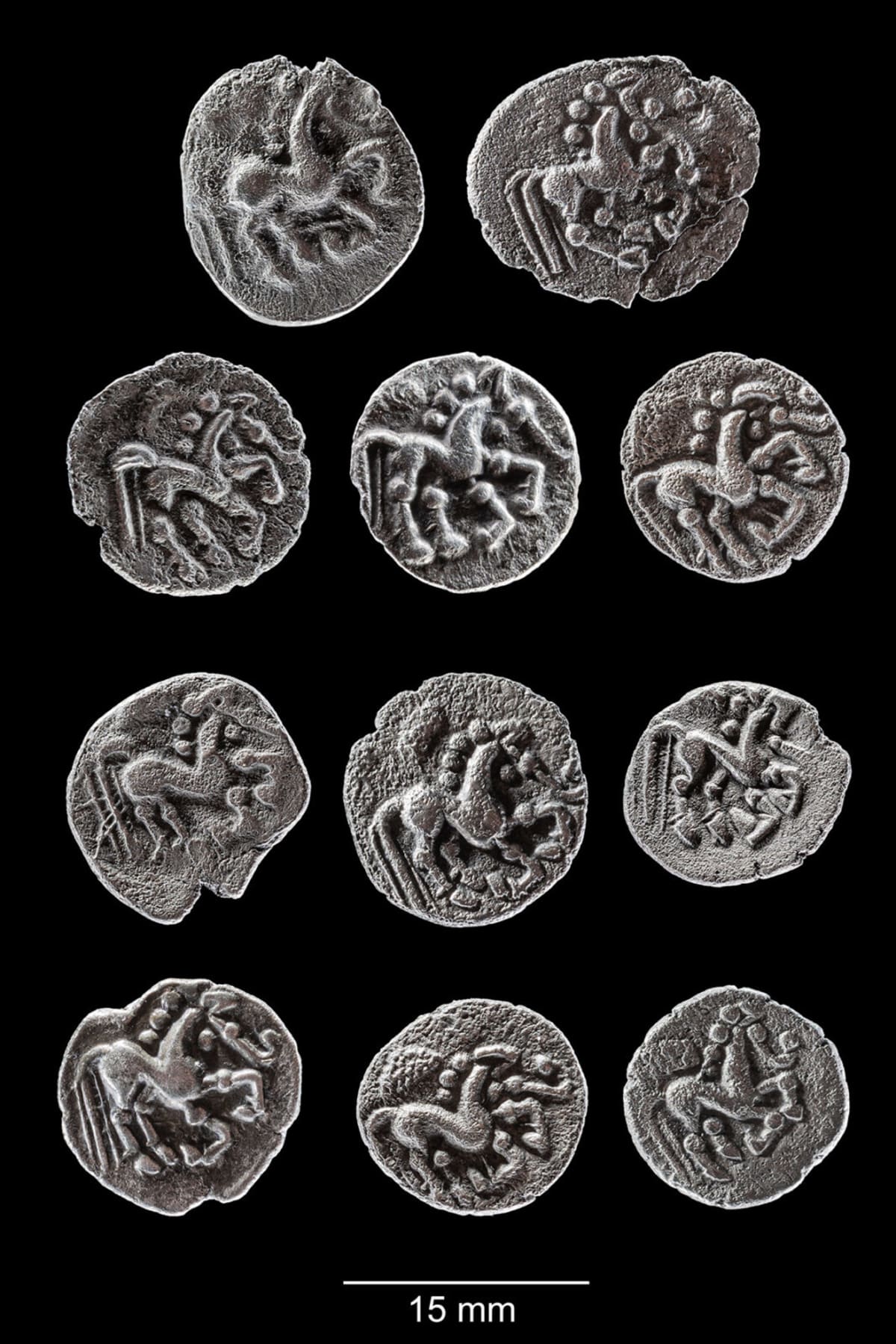
Archaeologists in Germany discovered 11 ancient Celtic coins hidden beneath a former sports field over 2,000 years ago—and believe they found the entire treasure. The hoard is now the largest find of its kind in the state of Thuringia, adding crucial pieces to the puzzle of how Celtic communities lived and traded.
Someone buried 11 silver coins in central Germany more than 2,000 years ago and never came back for them, and now archaeologists have uncovered the complete treasure exactly where it was hidden.
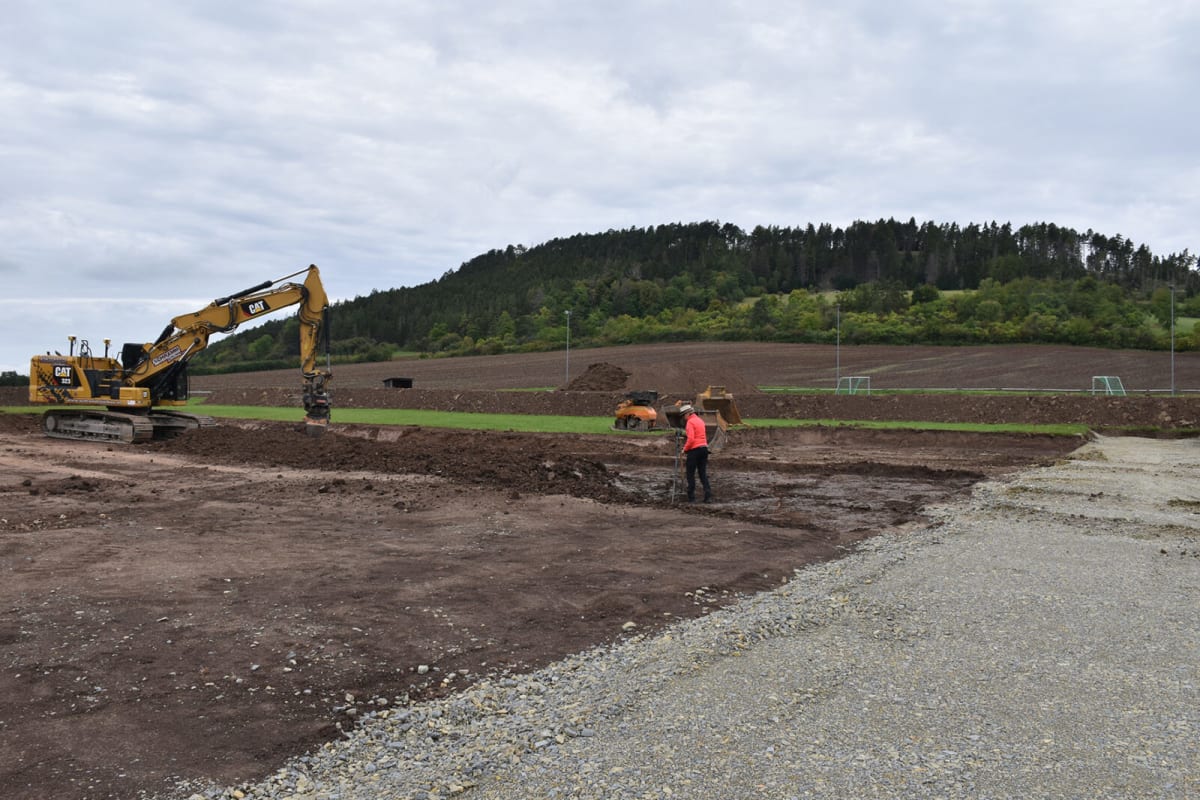
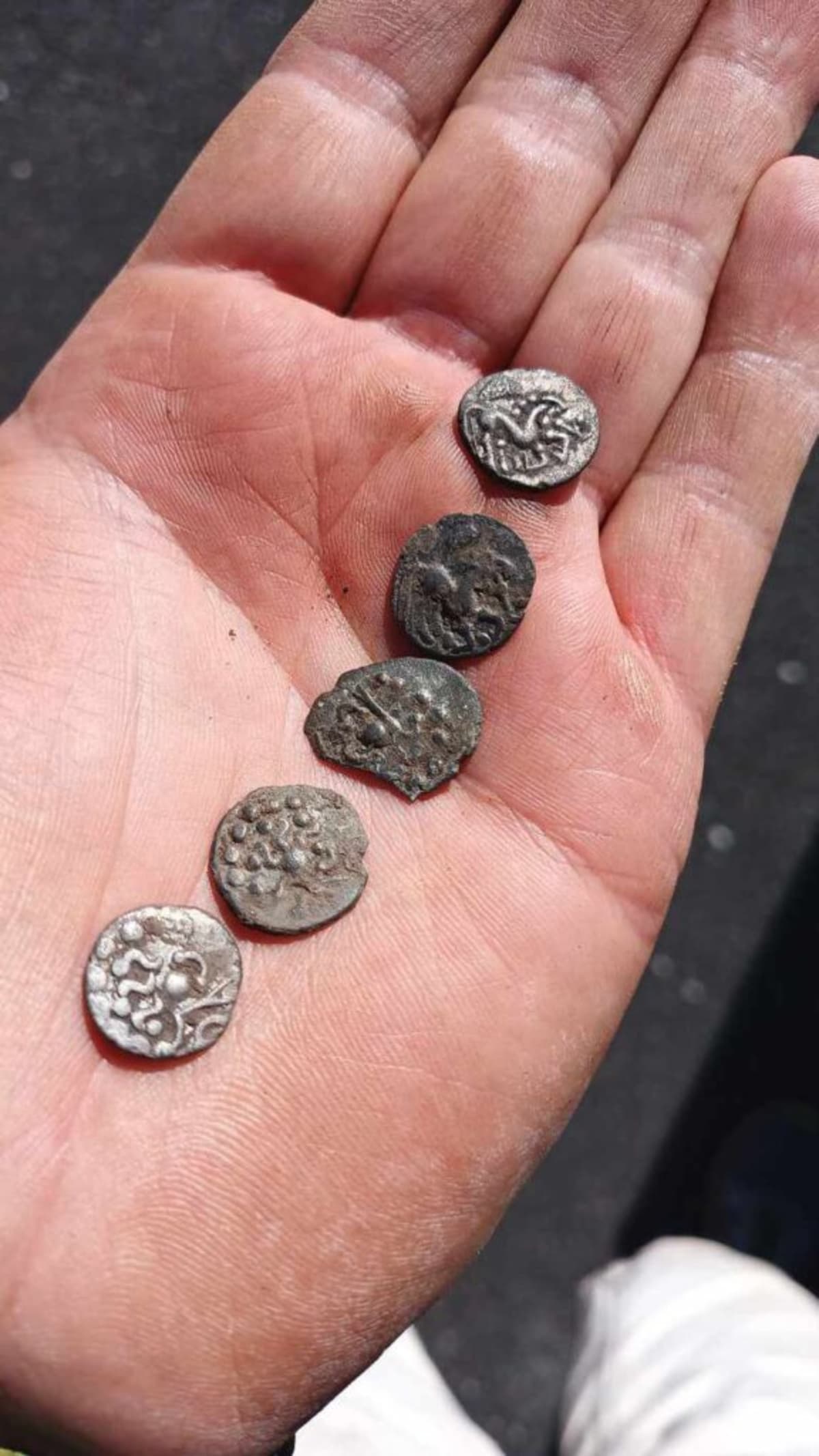
The discovery happened in Singen, where construction of a new fire station required archaeological work on a former sports field. What started as a few scattered coins in July 2024 turned into something far more significant when researchers returned a year later for a closer look.
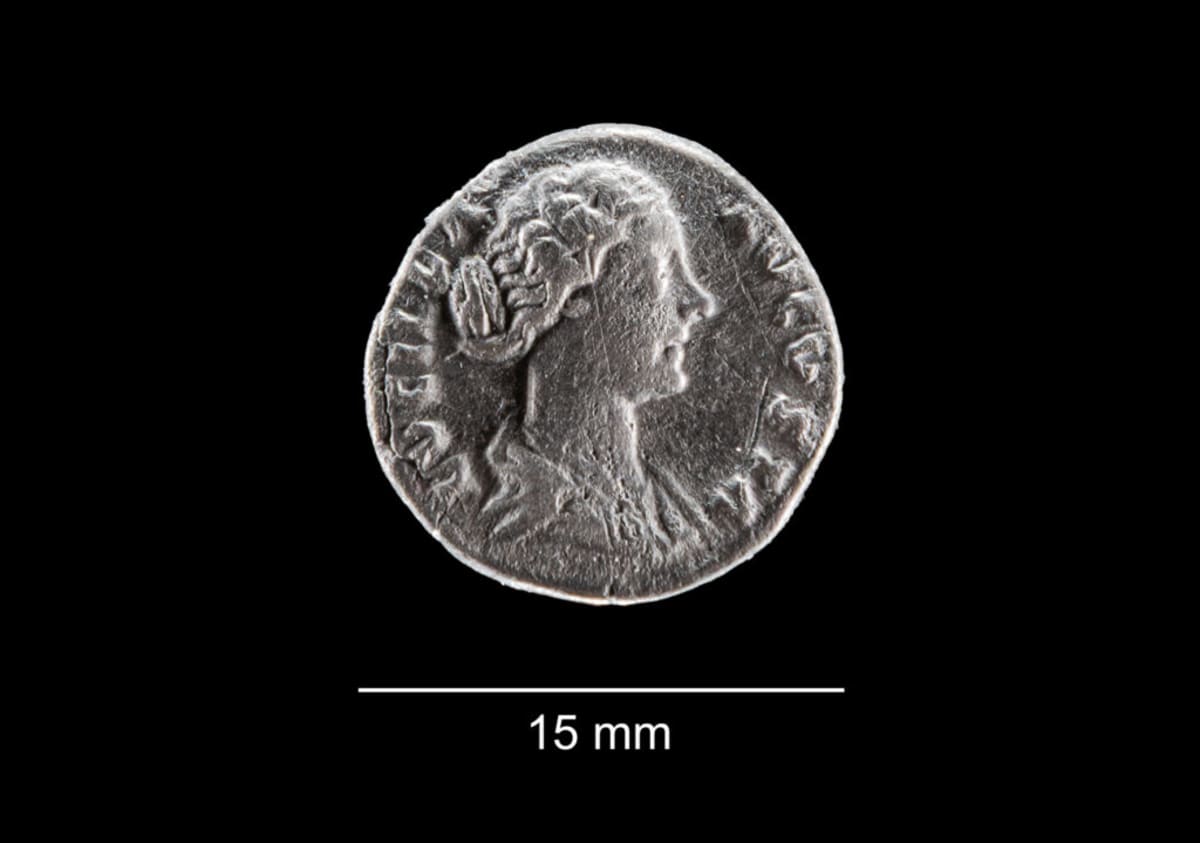
All 11 coins are silver quinarii of the Prague type, dating to the 1st century BC. Before this find, only about 80 examples of these coins had ever been found in the entire state of Thuringia, making this the largest hoard from that period ever recorded there.
The coins were originally kept together in some kind of container, probably a small pouch or bag made from organic material that decayed centuries ago. Researchers found no pottery fragments at the site, leading them to this conclusion.
Centuries of ploughing had scattered the coins across an area measuring roughly 19 feet by 5 feet. Despite this disturbance, careful documentation allowed archaeologists to prove the coins belonged together as a single deposit rather than individual losses over time.
The Ripple Effect
This discovery does more than add precious objects to a museum collection. The location of the hoard helps researchers map out ancient trade routes and connections between Celtic communities in Iron Age Germany.
Experts believe these Prague-type coins may have been produced in the Gotha region, northwest of where they were found. Singen sits between that production area and major Celtic settlements to the south, including the Steinsburg fortress near Römhild, a known center for craft production.
The Thuringian State Office for Heritage Management and Archaeology says the find has significantly expanded understanding of how goods, money, and people moved through this region 2,000 years ago. Each new discovery like this adds another dot on the map, helping researchers trace the invisible networks that connected ancient communities.
The excavation also turned up objects from later periods, including a Roman coin from around AD 165, an early medieval glass bead, and even a Prussian uniform button. These finds show that this patch of ground remained part of human activity for thousands of years.
But the Celtic coins capture something uniquely poignant: a single moment when someone gathered their savings, hid them for safekeeping, and for reasons we'll never know, couldn't return. Two thousand years later, their careful plan has finally been discovered, connecting us directly to one person's hope for the future.
More Images

Based on reporting by Google: archaeological discovery
This story was written by BrightWire based on verified news reports.
Spread the positivity!
Share this good news with someone who needs it