2,000-Year-Old Garden Found Beneath Jesus's Tomb Site
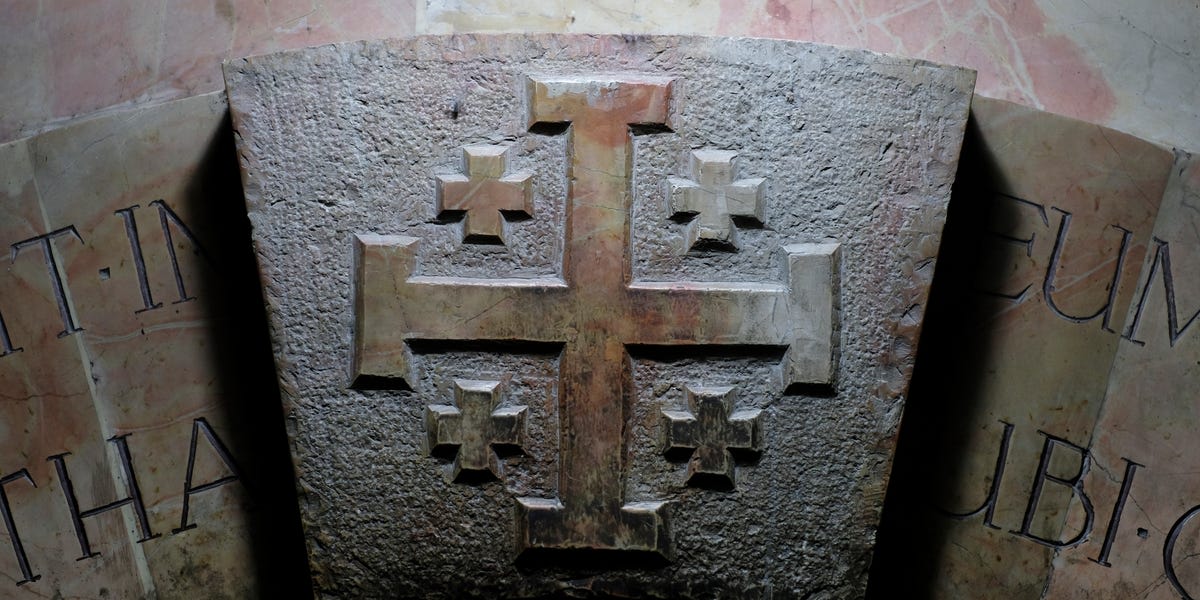
Italian archaeologists discovered evidence of an ancient garden beneath Jerusalem's Church of the Holy Sepulchre, matching biblical descriptions of where Jesus was buried. After decades of planning and years of careful excavation, the team found 2,000-year-old olive trees and grapevines that support historical accounts from the Gospel of John.
After years of waiting and careful negotiation, archaeologists just uncovered something remarkable beneath one of Christianity's holiest sites: a 2,000-year-old garden that might confirm where Jesus Christ was laid to rest.
A team from La Sapienza University in Rome has been excavating beneath the Church of the Holy Sepulchre in Jerusalem since 2022. They found ancient olive trees and grapevines dating back two millennia, offering the first physical evidence supporting the Gospel of John's description of Jesus's burial site as being "in a garden."
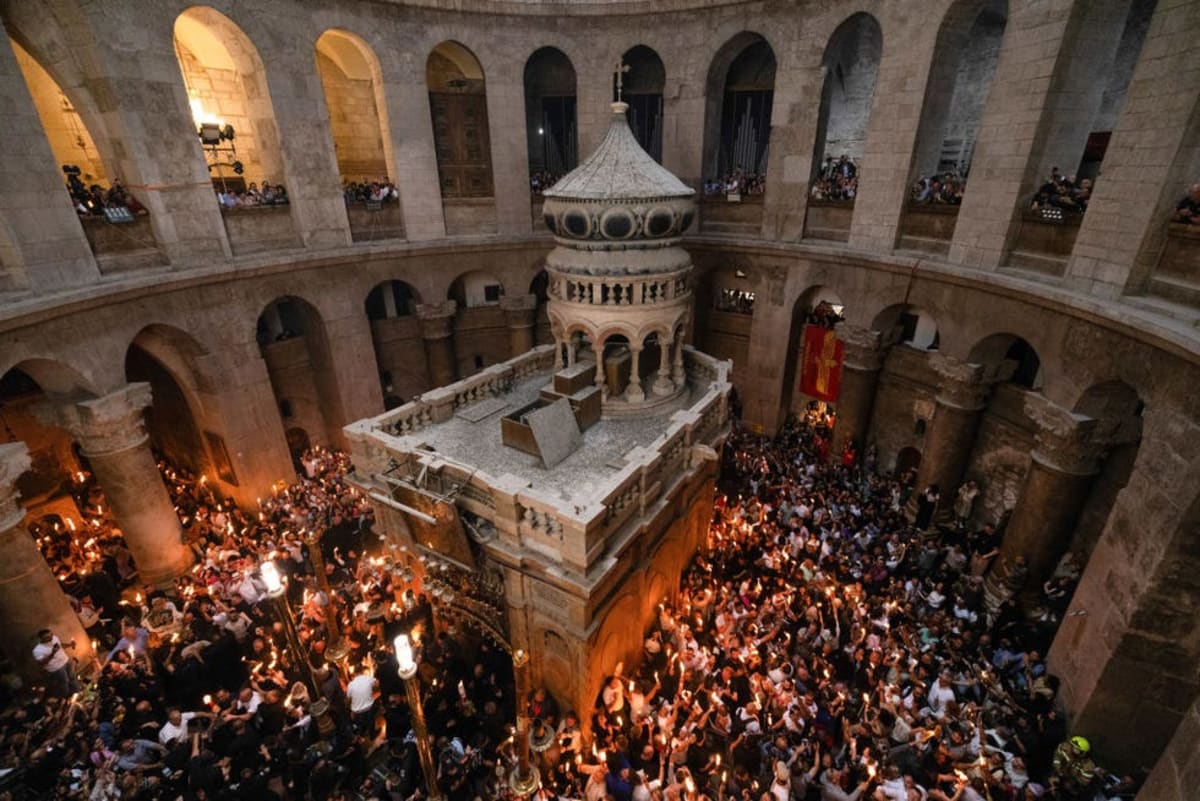
The discovery became possible only after decades of negotiations between three religious communities who jointly manage the church. When they finally agreed to renovate the building's 19th-century floor in 2019, they also gave archaeologists permission to dig beneath it.
Dr. Francesca Romana Stasolla led the excavation with a core team of 10 to 12 specialists working in rotating shifts. They brought in experts including geologists and archaeobotanists to analyze what they found layer by layer.
Beneath the old floor, the team discovered an Iron Age quarry that was later converted into a burial site during Jesus's time. Between those two periods, someone had transformed part of the area into cultivated farmland, building low stone walls and filling the spaces with soil for planting.
"The archaeobotanical findings have been especially interesting for us, in light of what is mentioned in the Gospel of John," Stasolla told the Times of Israel. The Gospel describes a green area between Calvary and the tomb, and the team's findings match that description precisely.
Why This Inspires
This discovery shows how patience and cooperation can unlock answers to questions that have endured for centuries. Three religious communities set aside decades of disagreement to allow this research to happen, choosing shared understanding over control.
The excavation also revealed coins and pottery from the 4th century, when Emperor Constantine built the first version of the church after converting to Christianity. A complete analysis of all the artifacts will take years, but each piece adds detail to our understanding of this historic site.
Stasolla sees the discovery as something bigger than proving or disproving a single location. "The real treasure we are revealing is the history of the people who made this site what it is by expressing their faith here," she said.
Whether believers or historians, millions of people across two thousand years have found meaning in this place. Now science and faith are telling the same story about an ancient garden in Jerusalem.
More Images


Based on reporting by Google: archaeological discovery
This story was written by BrightWire based on verified news reports.
Spread the positivity!
Share this good news with someone who needs it