Roman Infants Buried in Purple Dye Worth 3x Gold's Price
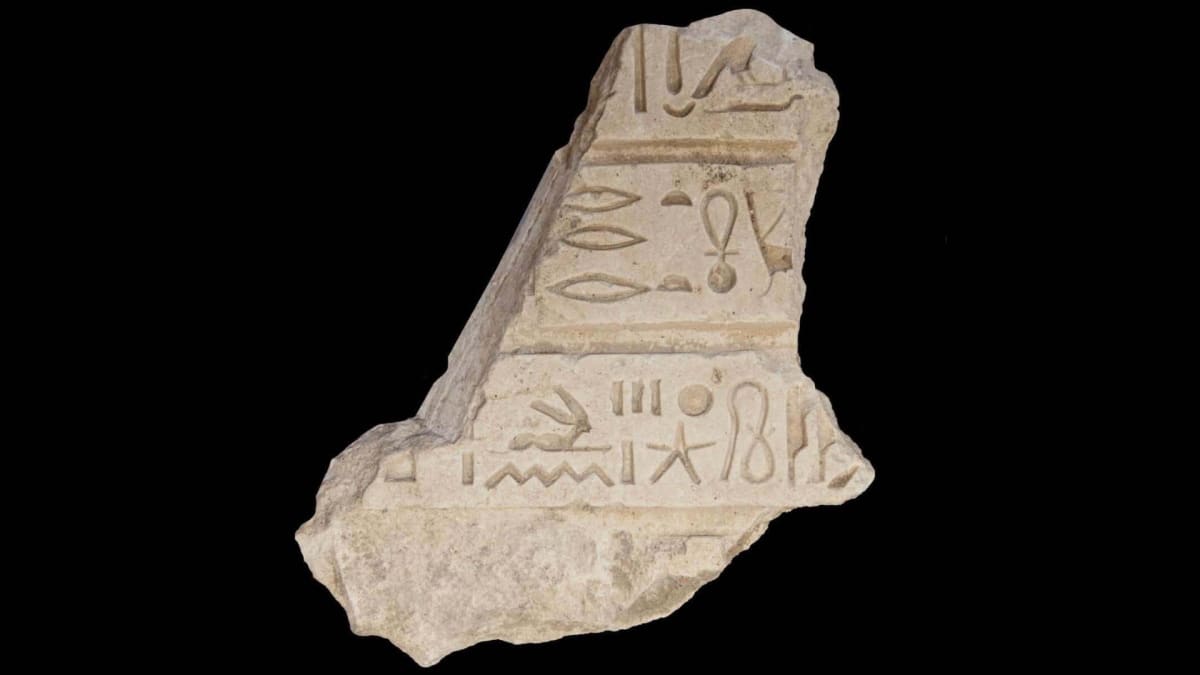
Archaeologists in York, England discovered two Roman infants wrapped in the ancient world's most expensive fabric—purple cloth embellished with gold thread. The rare find reveals wealthy families spared no expense honoring their children nearly 2,000 years ago.
Two tiny coffins in York, England just revealed something remarkable about how deeply Roman families loved their children.
Archaeologists analyzing infant burials from the late third century discovered the babies had been wrapped in Tyrian purple fabric woven with gold thread. This wasn't just fancy cloth. During Roman times, the purple dye was worth three times the price of gold and reserved exclusively for emperors and aristocracy.
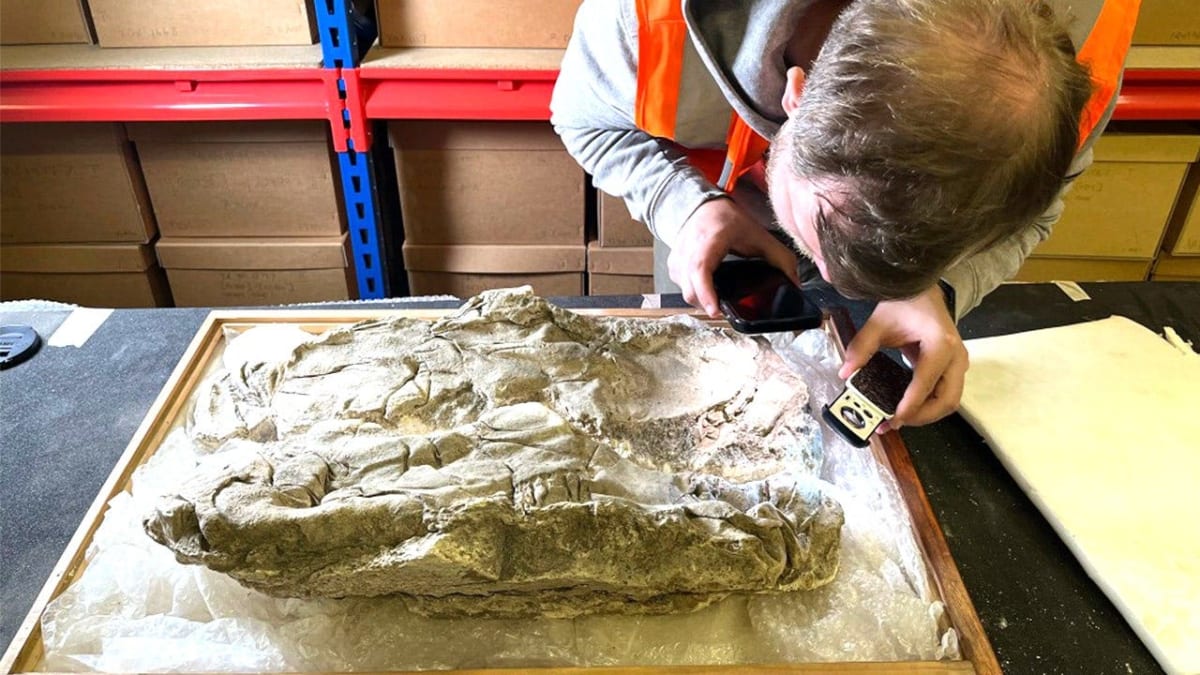
The discovery happened when researchers used chemical testing on preserved textile remains from two burial sites. One infant rested in a stone coffin alongside two adults. The other was laid in a lead coffin, suggesting families of significant wealth and status.
Tyrian purple came from crushing the shells of murex mollusks, a labor-intensive process that made the dye incredibly rare. The Bible mentions this luxury fabric several times, including when Jesus was mockingly dressed in purple by his captors because the color signified royalty.
The textiles survived an unusual Roman burial practice. Families poured liquid gypsum over the clothed bodies of their deceased loved ones. As the gypsum hardened, it protected imprints and fragments of the fabrics, preserving even the chemical traces of dyes applied centuries ago.
Professor Maureen Carroll from the University of York called the finding remarkable. "For the first time we now have confirmation of the use of this costly dye in Roman York, indicating that the city's wealthy inhabitants had access to expensive and exotic commodities from the other end of the empire," she said.
The discovery marks only a handful of examples of Tyrian purple ever found in the United Kingdom. York, known as Eboracum in Roman times, was founded around 71 A.D. as a military fortress and later served as a provincial capital.
Why This Inspires
These burials tell a story that transcends time and culture. Grieving parents chose to honor their babies with the most precious materials available in their world. The archaeological team notes this reveals "the importance of children in Roman York and the willingness of the family to give their baby the best possible send-off in tragic circumstances."
The find connects to broader research on ancient purple dye production. Last year, experts confirmed a site in Israel called Tel Shiqmona operated as a large-scale purple dye factory dating back to 1100 B.C.
Love for our children bridges millennia, and these Roman parents proved it with purple and gold.
More Images

Based on reporting by Fox News Travel
This story was written by BrightWire based on verified news reports.
Spread the positivity!
Share this good news with someone who needs it