Ancient Roman Faces Rebuilt From 2,000-Year-Old Skulls
Scientists in Budapest brought ancient Romans back to life using DNA, skulls, and facial reconstruction art. The stunning exhibition lets visitors connect with real people who lived nearly two millennia ago. #
Imagine looking into the eyes of someone who lived 2,000 years ago and seeing a person just like you staring back.
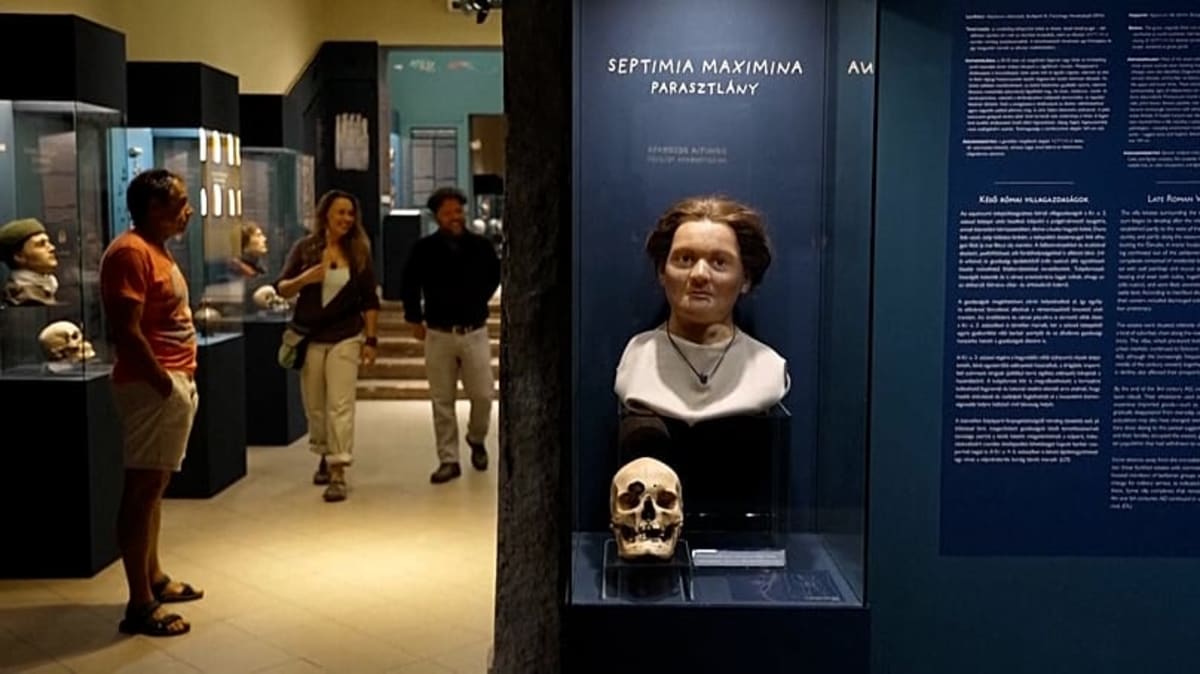
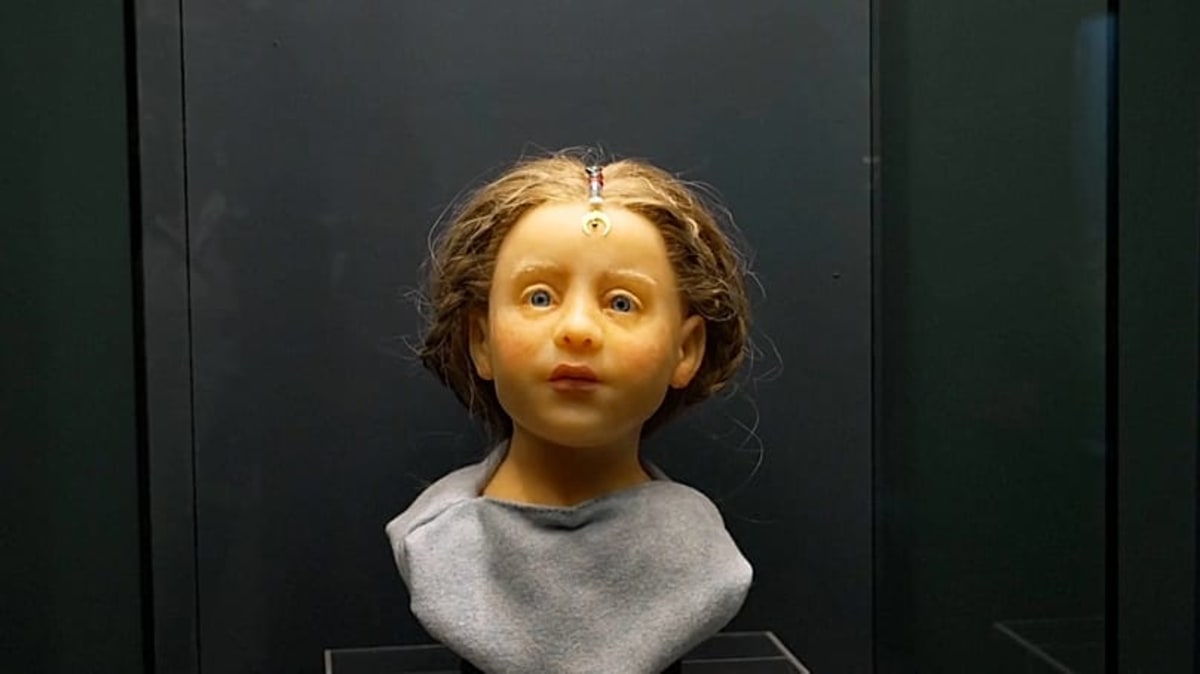
That's exactly what's happening at Budapest's Aquincum Museum, where ancient Roman skulls discovered at the frontier city of Aquincum have been transformed into incredibly lifelike faces. A peasant girl, a soldier, and a slave now have faces again, paired with imagined life stories that make history feel suddenly, powerfully real.
The exhibition, called "Once we were like you," combines archaeology, anthropology, and DNA analysis to reconstruct what these ancient residents actually looked like. Experts studied skull shapes and structures, then used genetic research to estimate features like hair color, skin tone, and eye color.
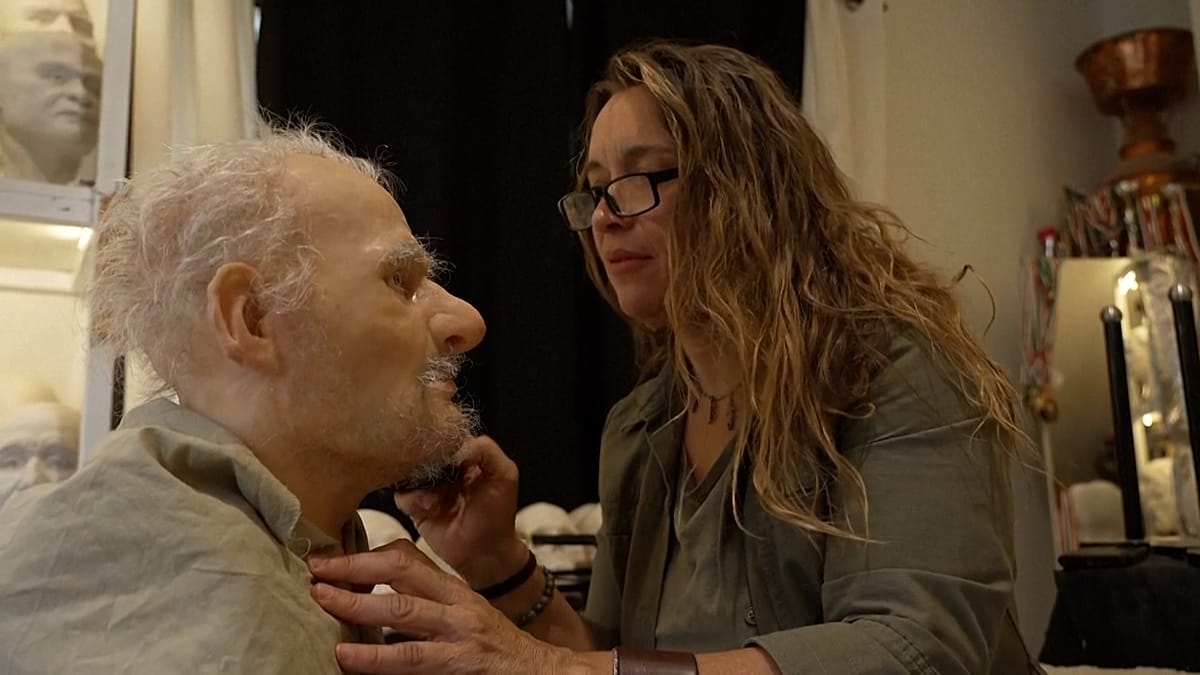
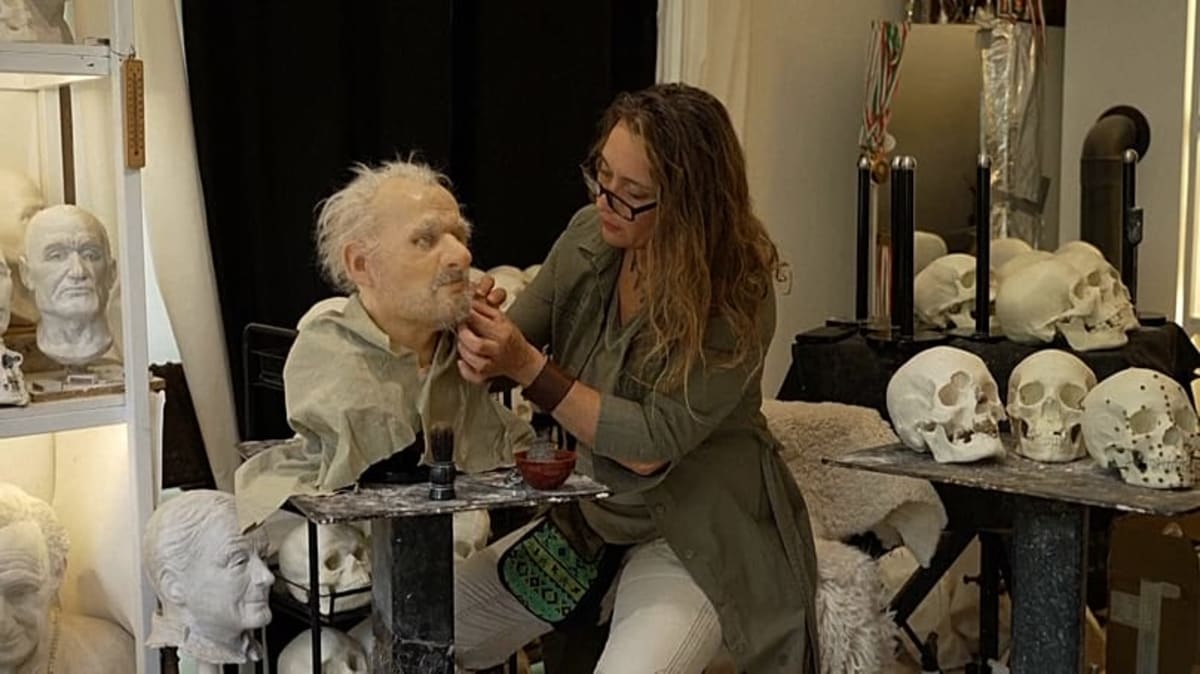
Facial reconstruction artist Emese Gábor brought the science to life from her studio near Budapest. Working with 3D-printed replicas of the original skulls, she carefully rebuilt each face layer by layer, sculpting muscles and features based on the bone structure underneath.
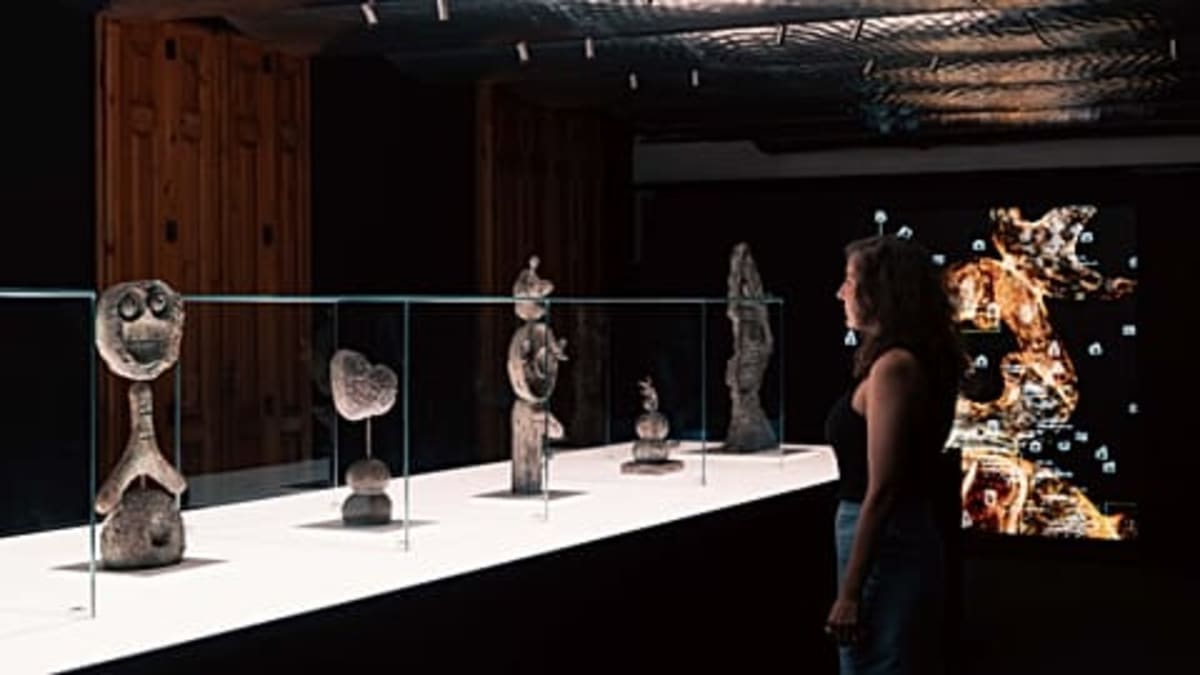
The reconstructed faces sit displayed beside their original skulls, a striking before-and-after that spans two thousand years. Each comes with a fictional name, occupation, and possible backstory based on what researchers know about daily life in ancient Aquincum.
"During excavations we find the skulls, the skeletons, we document them, and the findings end up in the appropriate storage room, but that's it," said Dr. Lóránt Vass, the exhibition's co-curator. "We thought, what happens if we bring these people closer to the visitors?"
The names and biographies aren't historically verified, the curators freely admit. Researchers created plausible scenarios using historical naming customs, ancient inscriptions, and anthropological studies to imagine how these people might have lived.
"It's all fiction. We don't even know the real names of these people," said co-curator Dr. Péter Vámos. "But no matter what, they could have been living that way."
Why This Inspires
This exhibition does something remarkable: it collapses the distance between us and the ancient world. These weren't just archaeological objects catalogued in storage rooms. They were real people who loved, worked, struggled, and hoped, just like we do today.
The title says it all. "Once we were like you" reminds visitors that someday, we'll be the ancient ones, and future generations might wonder who we were and how we lived.
The exhibition runs at the Aquincum Museum in Budapest until October 31, 2027, giving thousands of visitors the chance to meet their ancient neighbors face to face.
#
More Images
Based on reporting by Euronews
This story was written by BrightWire based on verified news reports.
Spread the positivity!
Share this good news with someone who needs it