Ancient Maya Mathematician's Name Revealed in Guatemala
Researchers discovered the signature of a Maya mathematician on temple walls in Guatemala, revealing for the first time the identity of one of history's great mathematical minds. The 1,200-year-old formula shows how advanced Maya scholars were at astronomy and calendar systems.
A mathematical genius from the ancient Maya civilization finally has a name, thanks to hieroglyphs hidden on a temple wall in Guatemala for over a thousand years.
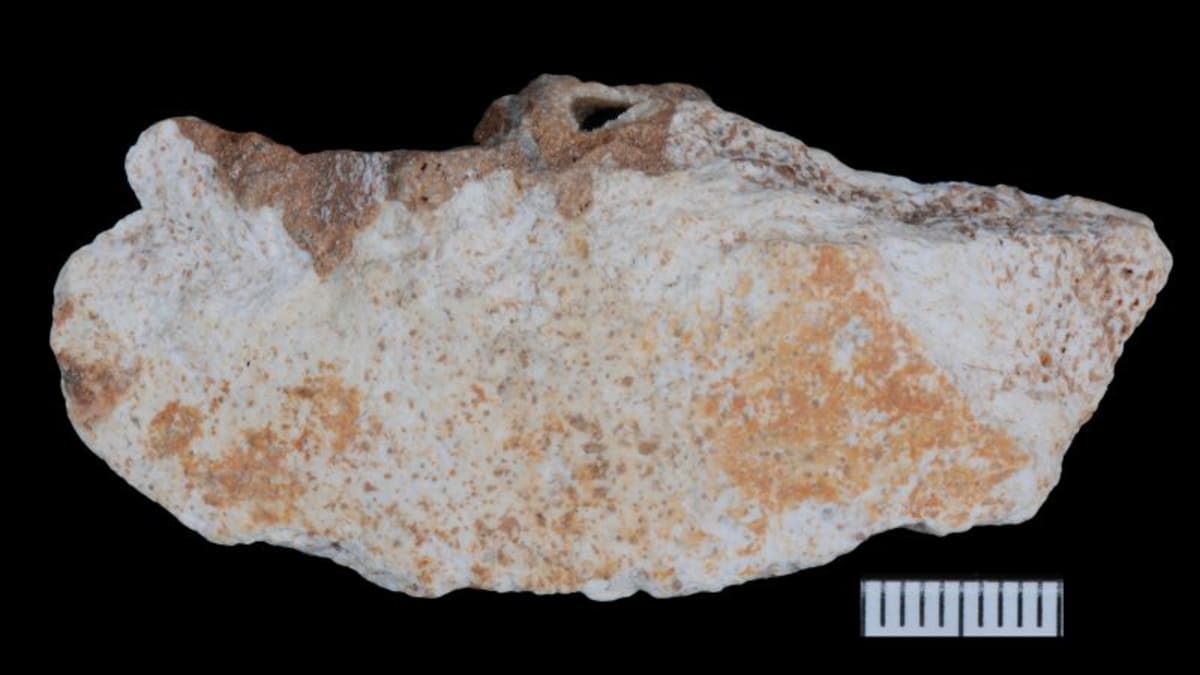
Researchers analyzing inscriptions at the Xultun archaeological site have identified Sak Tahn Waax, meaning "White-Chested Fox," as the brilliant mind behind complex astronomical calculations carved into a chamber wall. The discovery marks the first time scientists have been able to name an individual Maya mathematician.
The formula itself is remarkable. White-Chested Fox worked out how a 2,920-day cycle connected five Venus cycles, eight solar years, and multiple Maya calendar systems including their sacred 260-day calendar. Archaeologist Heather Hurst from Skidmore College describes it as "super nerdy math" that shows real intellectual playfulness.
"I think it was a mathematical flex," says Hurst. "Somebody was saying 'I've got this amazing pattern, and it's so good it needs to be written down.' It was like, 'Boom! Mic drop!'"
The text uses abbreviated shorthand that made it challenging to decode. The hieroglyphs give partial dates where "they give you the first half of a notation and the second half is implied," Hurst explains. The chamber where these calculations appear was likely a workspace for scribes creating codices in the mid-eighth century.
What clinched the discovery was a phrase meaning "so says" followed by the name Sak Tahn Waax in the final hieroglyph. Researchers determined it's a male name based on the prefix structure. This suggests the writer was either taking credit for the work or citing another mathematician's discovery.
Why This Inspires
Finding White-Chested Fox's signature changes how we understand Maya society. The fact that a mathematician signed his work suggests that mathematical achievement was valued and celebrated just as much as artistic creation. Maya culture recognized intellectual brilliance and wanted to preserve the names of their greatest thinkers.
"The discovery shows people that the Maya were very clever, creative, intellectually curious people who taught and learnt and sometimes did math for the sake of it," says archaeologist Eric Heller from the University of Southern California. They weren't just calculating calendars for practical purposes but exploring mathematics for its own beauty and patterns.
Researchers compare White-Chested Fox to other great mathematicians throughout history. His work demonstrates sophisticated understanding of astronomy and calendar systems that rival achievements from other ancient civilizations. Now, over 1,200 years later, he's finally getting the recognition he deserves.
The Xultun site continues to reveal secrets about Maya intellectual life, reminding us that brilliant minds have existed throughout human history, waiting to be discovered.
More Images



Based on reporting by Google News - Science
This story was written by BrightWire based on verified news reports.
Spread the positivity!
Share this good news with someone who needs it