Maya Astronomer's Name Decoded After 1,200 Years
Archaeologists in Guatemala have deciphered the first known name of an ancient Maya astronomer-mathematician: Sak Tahn Waax, meaning "White-chested Fox." The discovery gives long-overdue credit to Indigenous scientists whose groundbreaking work on planetary movements remained anonymous for over a millennium.
For the first time in history, an ancient Maya scientist has a name we can speak aloud.
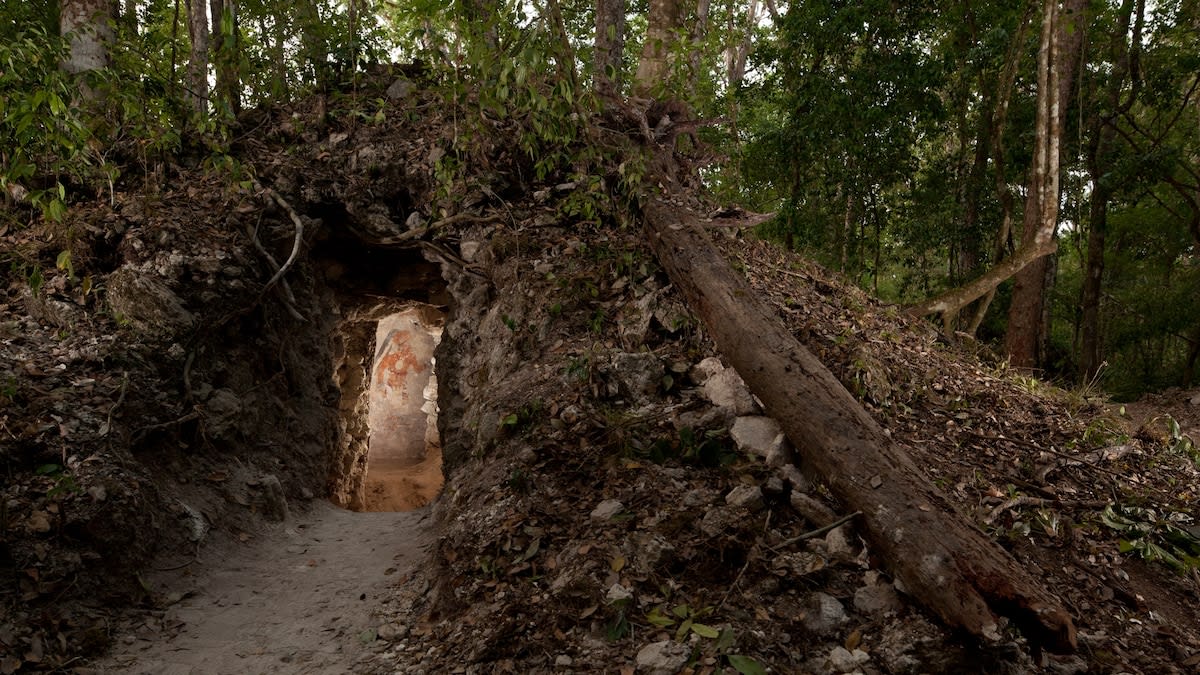
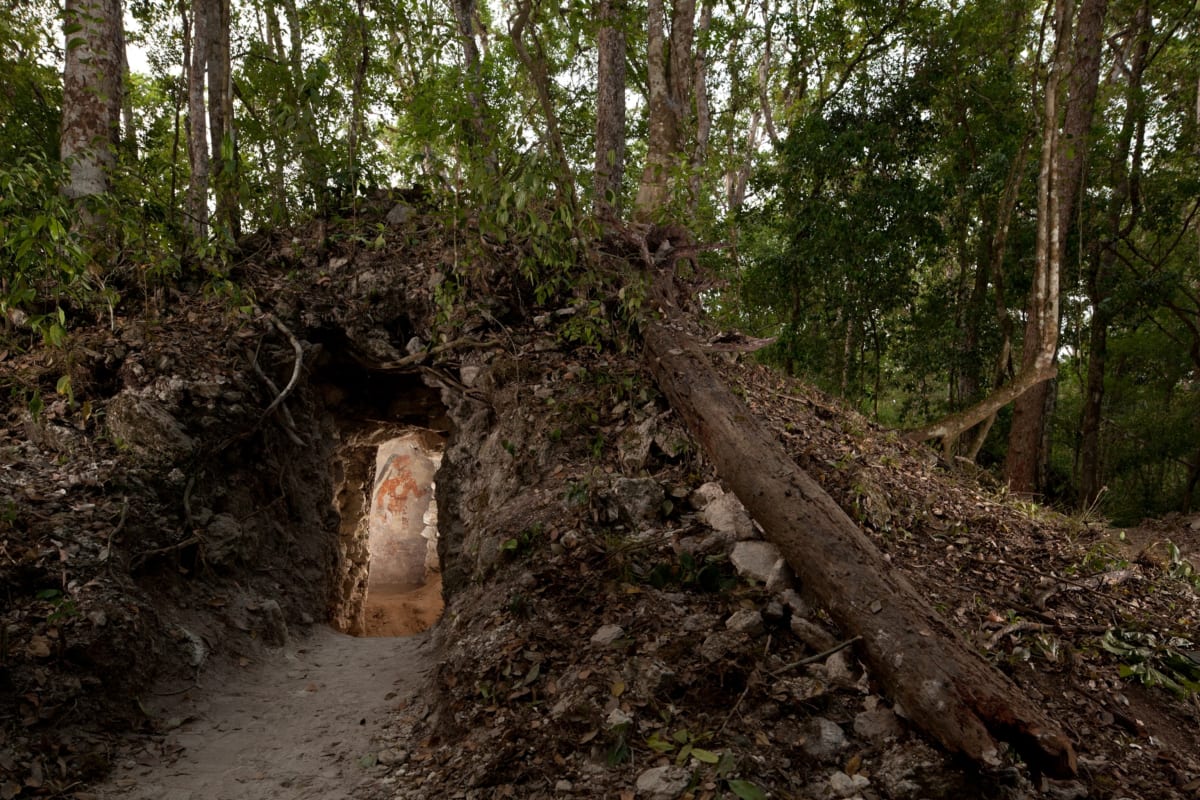
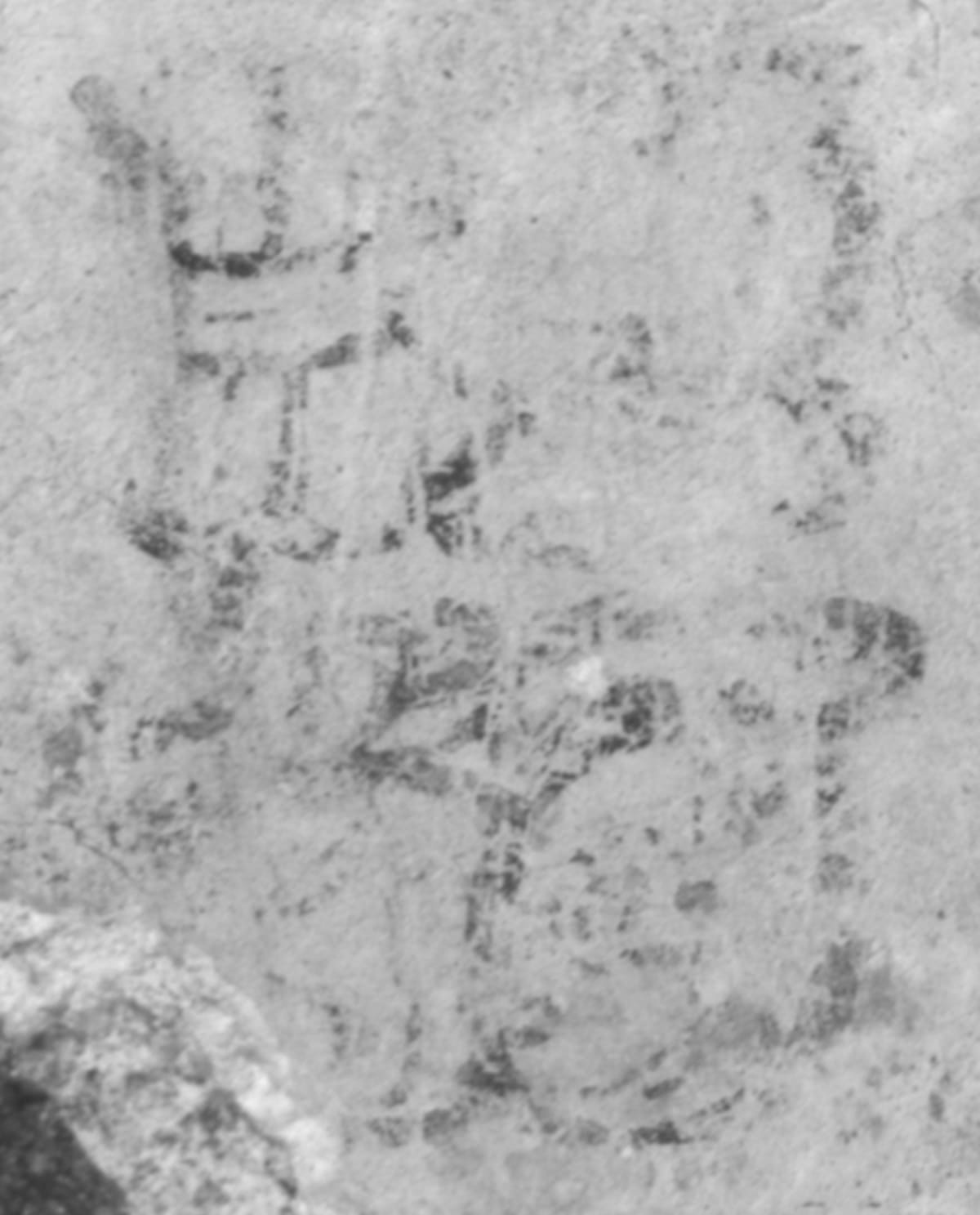
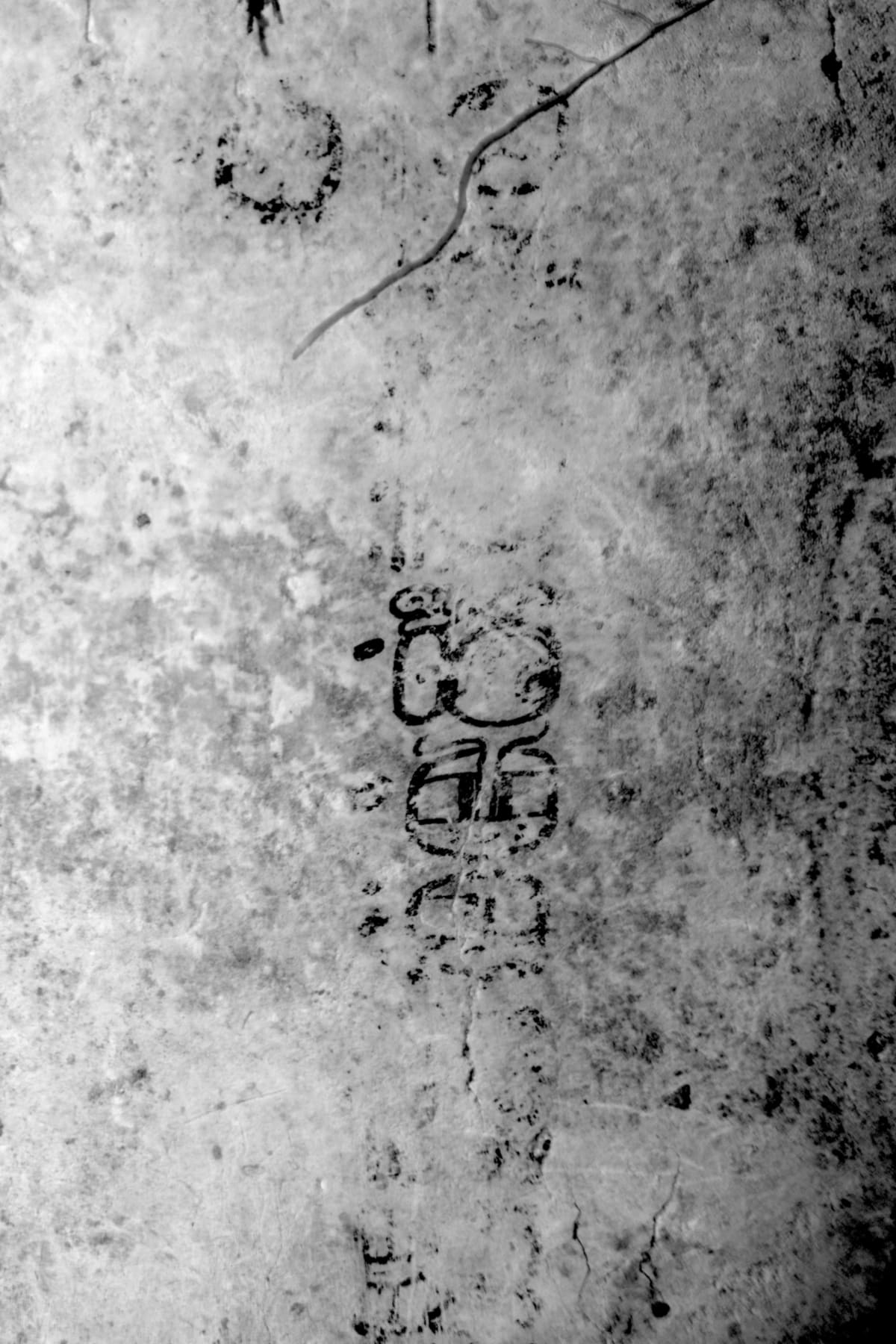
Archaeologists working at the Xultun ruins in Guatemala have decoded hieroglyphs identifying Sak Tahn Waax, or "White-chested Fox," as an astronomer-mathematician who tracked the movements of Venus and Mars over 1,200 years ago. His name appears alongside complex celestial equations painted on the walls of a small room that researchers describe as an ancient "whiteboard" in an abandoned office.
The breakthrough came when Franco Rossi, an MIT archaeologist, was studying faint writing below a larger set of hieroglyphs. Using imaging software to adjust shading and color, he spotted two key glyphs: "che-he-na" (meaning "so says") followed by a personal signature spelling SAK-TAHN-wa-xi.
"Now we have a name," says David Stuart, a National Geographic Explorer who helped make the discovery. "It makes Maya science appear much more human."
The room where Sak Tahn Waax's work was found stretches just six square feet and contains more than 50 mathematical "microtexts" covering the walls. The space was deliberately filled with mud and rock before new structures were built around it, preserving the murals and calculations for centuries.
Unlike the elaborate names of Maya royalty (one king was called "Fiery is the head of the serpent god"), Sak Tahn Waax's simple moniker suggests he was a working professional rather than nobility. His straightforward name offers rare insight into how ancient Maya scholars were identified in their time.
Why This Inspires
This discovery does more than add a name to history books. It finally credits the Indigenous scientists of Mesoamerica who made astronomical breakthroughs long before European contact.
"History can now count Sak Tahn Waax among other influential astronomers and mathematicians such as Pythagoras, Galileo, and Newton," says Heather Hurst, director of the excavation project. The finding represents an entire scientific tradition coming to life through one individual.
Anthony Aveni, an archaeoastronomer at Colgate University who has studied Maya astronomy for decades, calls it "probably the most wonderful discovery leading to an understanding of Maya science." He adds that identifying a fellow astronomer from the past creates a personal connection across the centuries.
The team published their findings in the journal Antiquity this week. While questions remain about whether Sak Tahn Waax wrote the equations himself or had them attributed to him by colleagues, his name reflects generations of expert Maya scientists decoding the cosmos.
The ancient city of Xultun thrived during the Maya Classic Period from 250 to 900 CE, sitting 25 miles northeast of the famous Tikal ruins. The site stretches over six square miles with temples reaching 115 feet tall, yet remained largely unexcavated until recent years.
After more than a millennium of anonymity, one Maya scientist finally receives the recognition his work deserves.
More Images

Based on reporting by Google: archaeological discovery
This story was written by BrightWire based on verified news reports.
Spread the positivity!
Share this good news with someone who needs it