2,000-Year-Old Jars Reveal How Forests Shape Water Life
Scientists turned ancient stone jars in Laos into the world's oldest biological experiment, discovering how trees influence freshwater ecosystems over millennia. The findings could help predict how lakes and streams will respond to climate change.
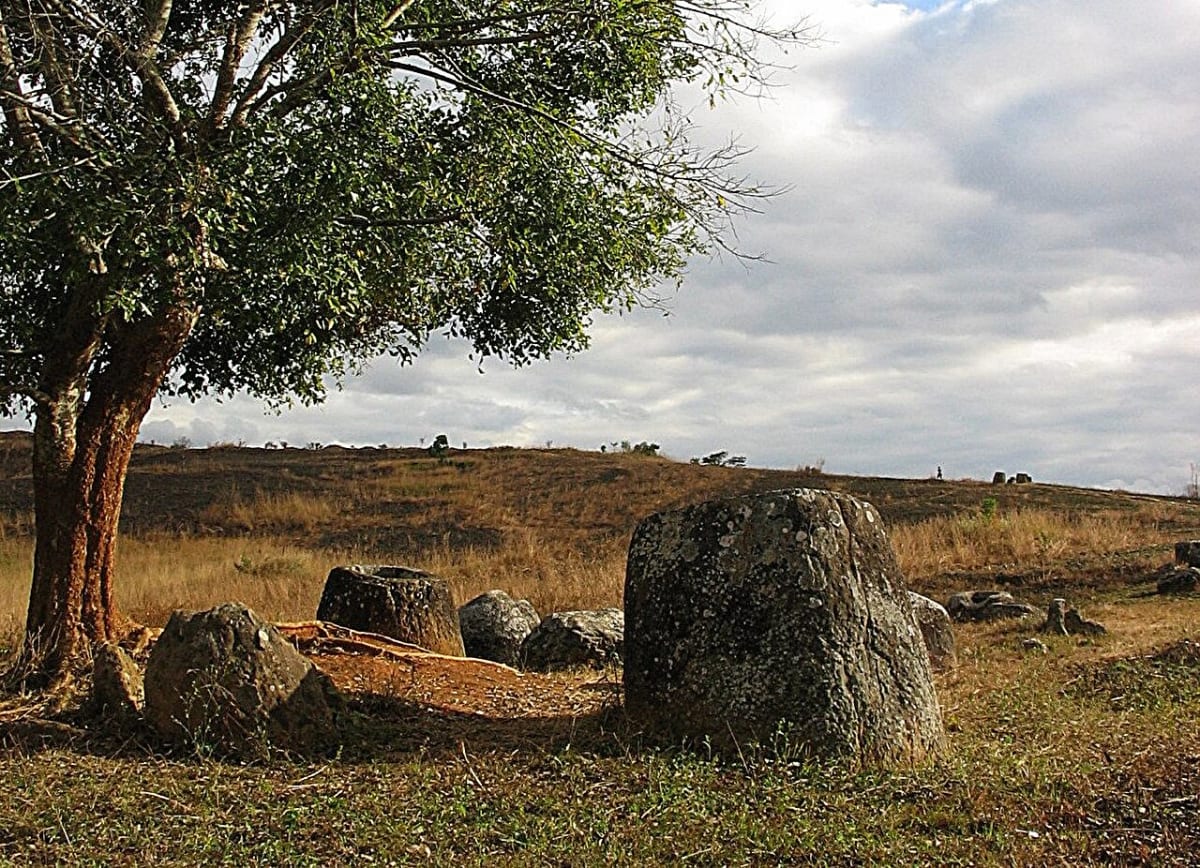
Imagine running a science experiment for 2,000 years without lifting a finger. That's exactly what an ancient culture in Laos accidentally created when they carved massive stone jars and left them on the Plain of Jars.
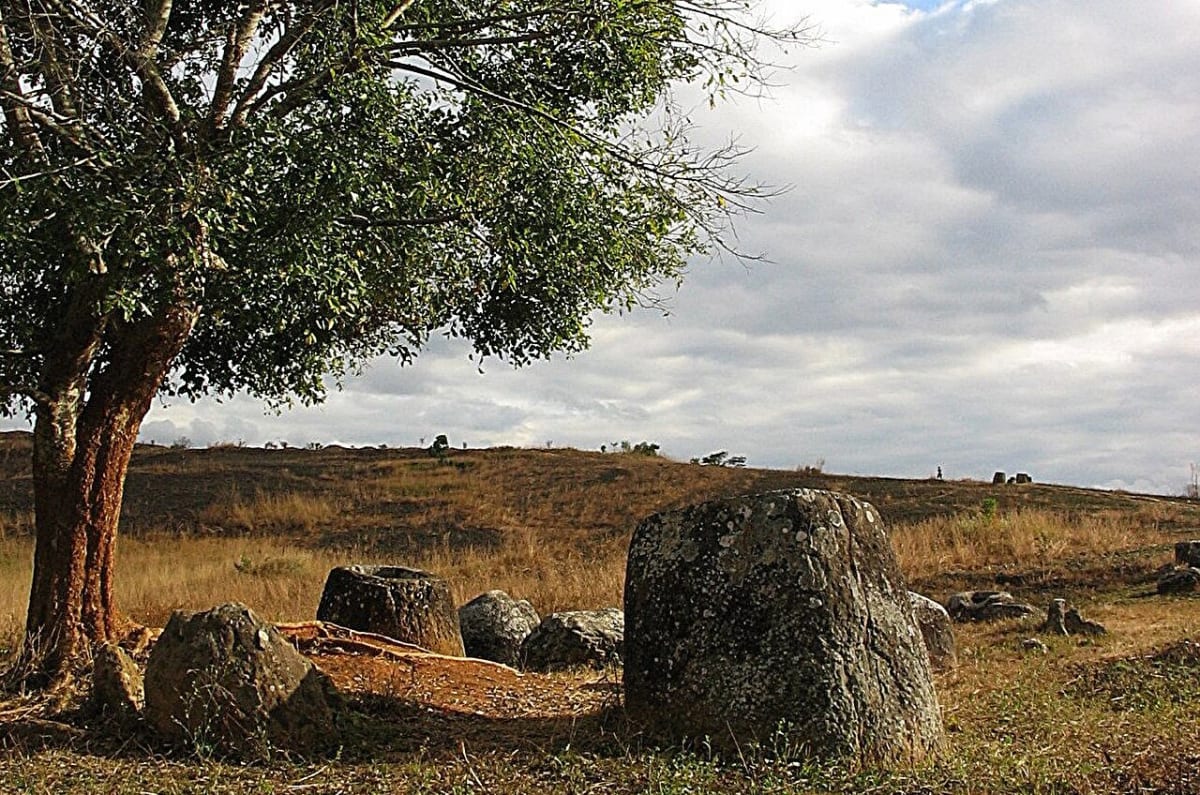
These mysterious vessels, some as tall as a person, have been quietly collecting rainwater since the Iron Age. Now researchers at McGill University have realized they're observing something remarkable: tiny aquatic worlds that have been running the same natural experiment for two millennia.
The team studied 39 jars across five sites, comparing those shaded by trees to those sitting in open areas. The differences were striking. Jars beneath trees accumulated more nutrients from decomposing leaves and hosted oxygen-consuming organisms, while jars in clearings had fewer nutrients and thrived with algae that produce oxygen.
"We use experiments to simplify the complexity of ecological systems, but they can only run for a feasible time span," said Lars Lonsmann Iversen, Assistant Professor of Biology at McGill. These jars have been standing in nature for 2,000 years, allowing scientists to observe effects over timescales impossible in modern research.
The team sampled the jars twice during both dry and wet seasons, measuring water chemistry, oxygen levels, and nutrient availability. Even small differences in surrounding trees changed the water chemistry inside, revealing how forests and small water bodies stay connected over enormous stretches of time.
The findings confirm what scientists suspected from shorter experiments but with unprecedented power. What they observed over months or years in labs is still happening in ecosystems that have existed for millennia.
The Ripple Effect
Understanding these long-term patterns matters more than ever as climate change accelerates. The researchers are now analyzing microbial DNA to determine whether the communities inside the jars result from thousands of years of natural selection or reset annually during dry periods.
They're also investigating whether the type of bedrock used for the jars might be just as important for shaping freshwater biodiversity as temperature and nutrients. Within a couple of years, Iversen hopes to prove that bedrock plays a crucial role scientists haven't fully appreciated.
The project required close collaboration with Laotian authorities and communities since the jars are protected UNESCO World Heritage sites and ancient burial vessels. Iversen hopes the work shows how cultural treasures can also serve science.
"Environmental changes often happen slowly," said lead author Laura Kase, now at the University of Copenhagen. "To make good decisions, we need to think in centuries, not just years." Thanks to one ancient culture's mysterious stone vessels, scientists finally can.
More Images
Based on reporting by Phys.org
This story was written by BrightWire based on verified news reports.
Spread the positivity!
Share this good news with someone who needs it