2,000-Year-Old Roman Anchor Found Perfectly Intact
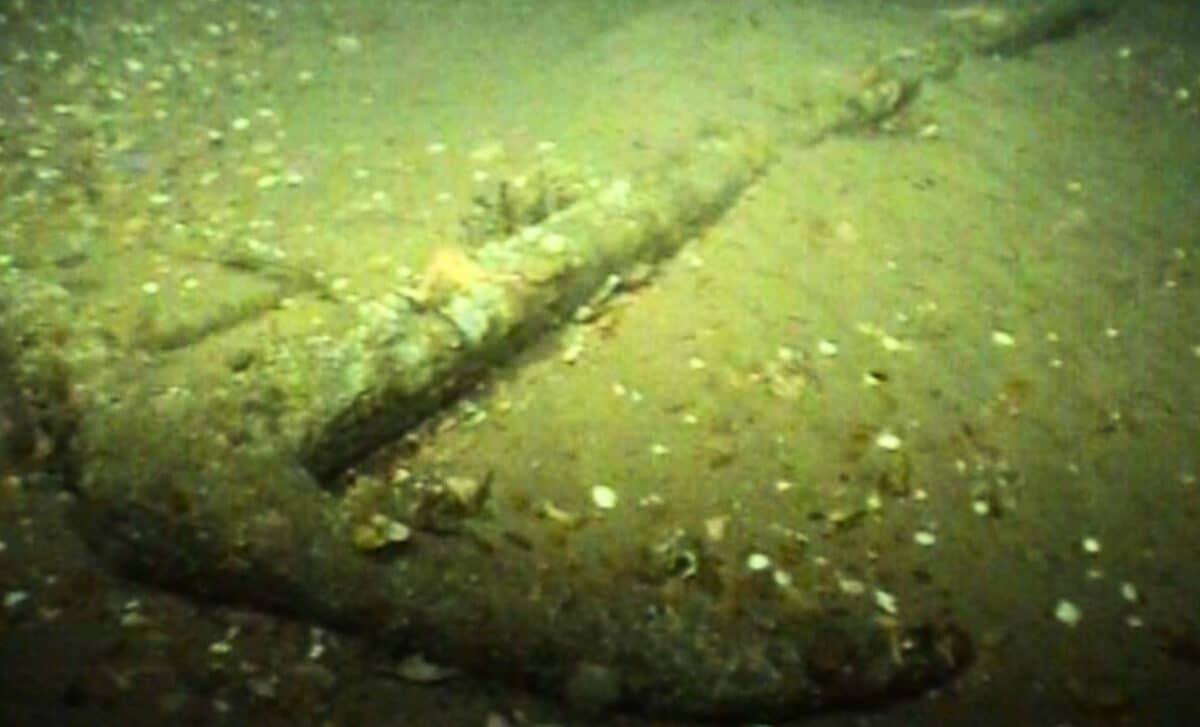
A Roman anchor buried beneath the North Sea for two millennia emerged almost perfectly preserved, offering a rare glimpse into ancient maritime trade. The discovery happened during a wind farm survey off England's coast.
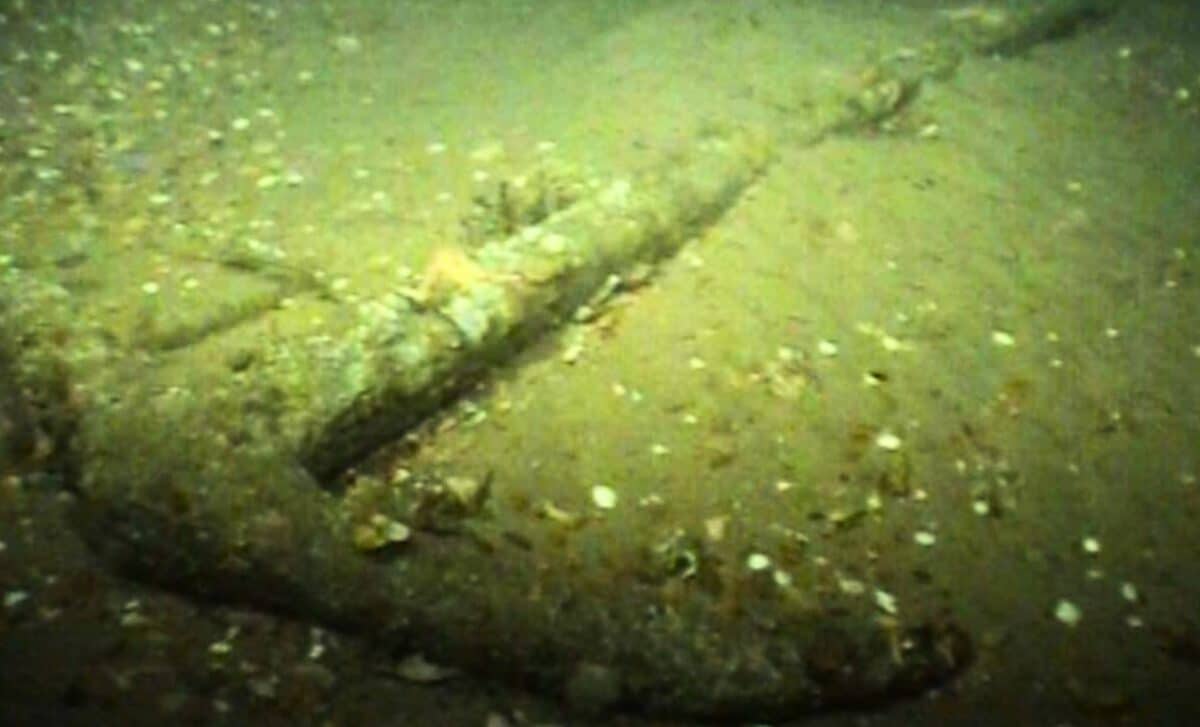
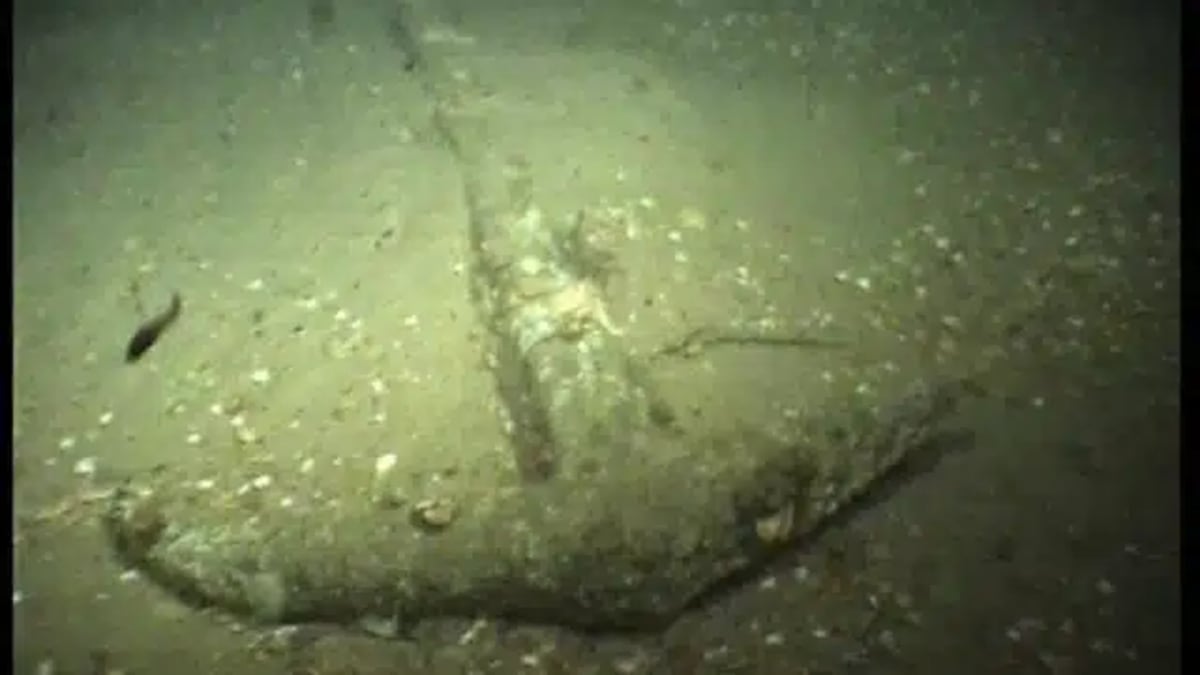
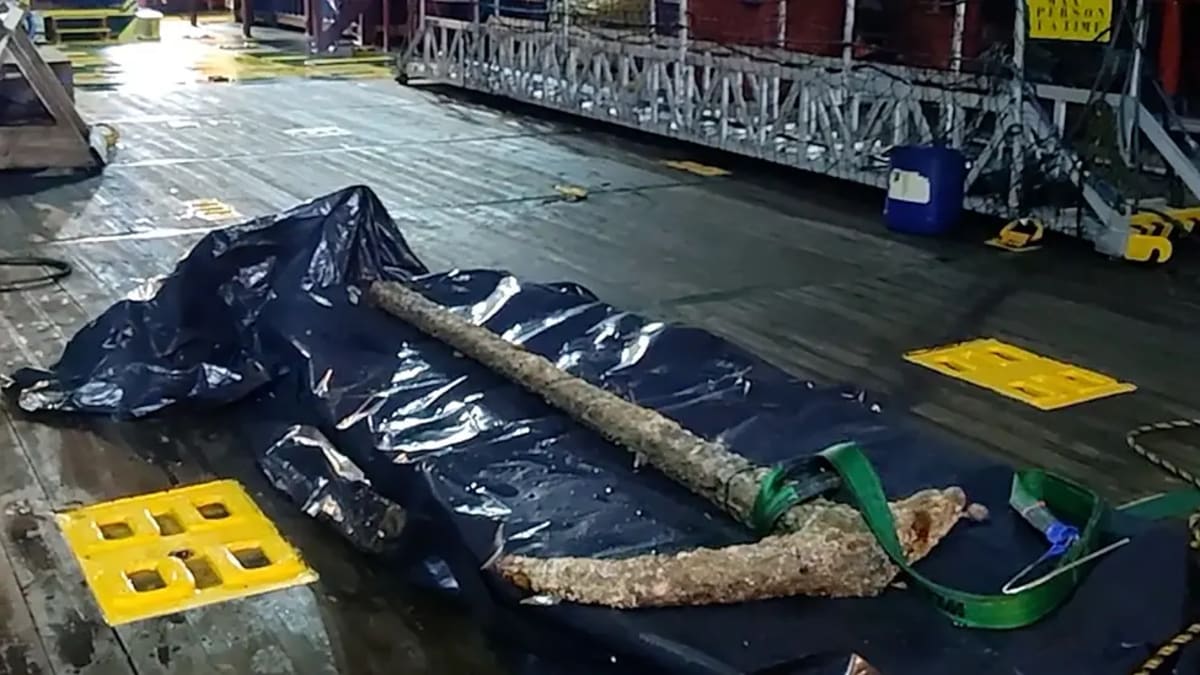
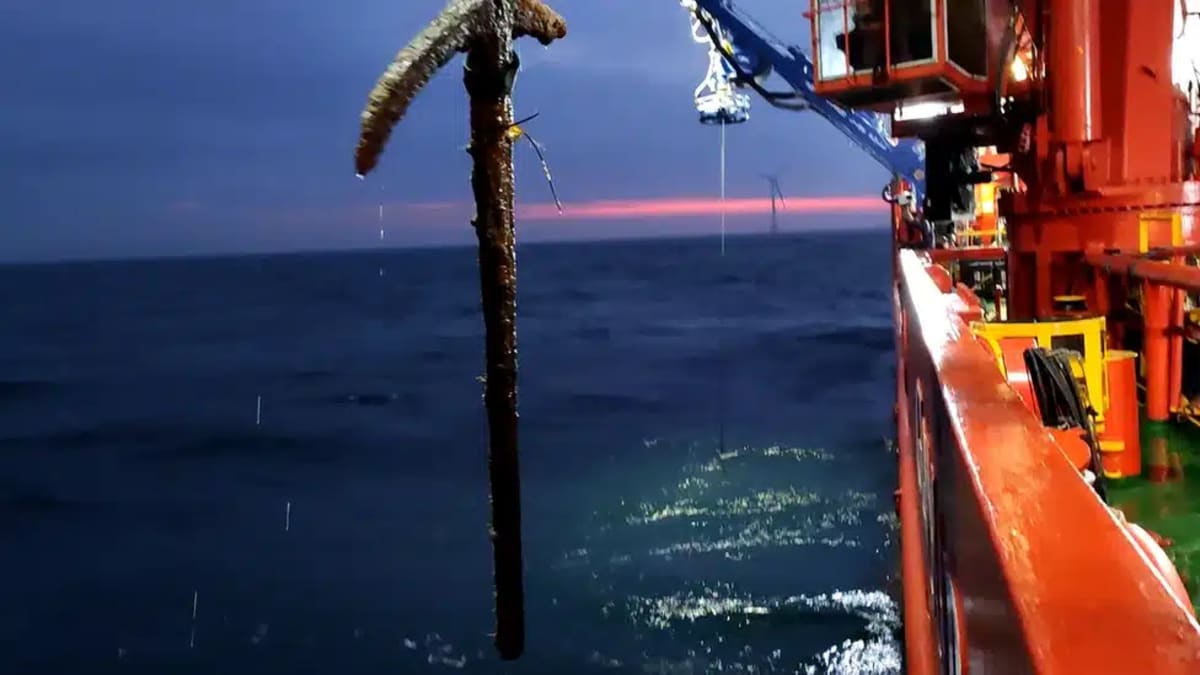
When marine surveyors lifted a massive iron and wood anchor from the seafloor off Suffolk, England, they couldn't believe what they found. The 2,000-year-old Roman artifact looked almost new, preserved by sand that sealed out oxygen for nearly two millennia.
The anchor stretches over six feet long and weighs 220 pounds. Maritime archaeologists believe it belonged to a Roman merchant ship that would have displaced 500 to 600 tons, a heavy vessel even by ancient standards.
Survey crews first spotted the anchor in 2018 while mapping the seafloor for the East Anglia ONE offshore wind farm, about 25 miles off the English coast. ScottishPower Renewables established a protection zone around the site and left it undisturbed until they could safely recover it in 2021.
The discovery is only the third pre-Viking anchor ever found in northern European waters outside the Mediterranean. Most wooden ships from that era vanished completely, making this find a rare physical connection to Roman Britain's busy maritime economy.
Brandon Mason from Maritime Archaeology Ltd called the discovery exceptional. He said the evidence clearly points to Roman origins, and the preservation is remarkable for something that should have rusted and rotted away centuries ago.
The anchor survived because thick sediment buried it deeply enough to create an oxygen-free environment. Without oxygen, the chemical and biological activity that normally destroys submerged artifacts slowed dramatically, leaving both the iron and wooden sections intact enough to study.
The Ripple Effect
The anchor proves what historians long suspected from written records: the waters off East Anglia bustled with activity during Roman times. Ships moved metals, pottery, and grain between Roman Britain and the continent, connecting the province to trade networks across the North Sea.
The wind farm survey that found the anchor also uncovered a missing World War I German submarine, a 4,000-year-old Neolithic wooden platform, and a 6,000-year-old aurochs skull. Together, these discoveries paint a picture of thousands of years of human activity along these shores.
Conservators are now working to stabilize the anchor for permanent display. Specialists from Mary Rose Archaeological Services and Historic England are analyzing the artifact to determine exactly how it was forged and assembled, which will help narrow down its age and origins.
Stuart Churchley from Historic England said the systematic seafloor mapping required for wind farm projects makes discoveries like this possible in areas that had never been properly surveyed before. Progress in one field opens doors in another.
More Images
Based on reporting by Google: archaeological discovery
This story was written by BrightWire based on verified news reports.
Spread the positivity!
Share this good news with someone who needs it