20,000 Salmon Return Home After Century of Blocked Rivers
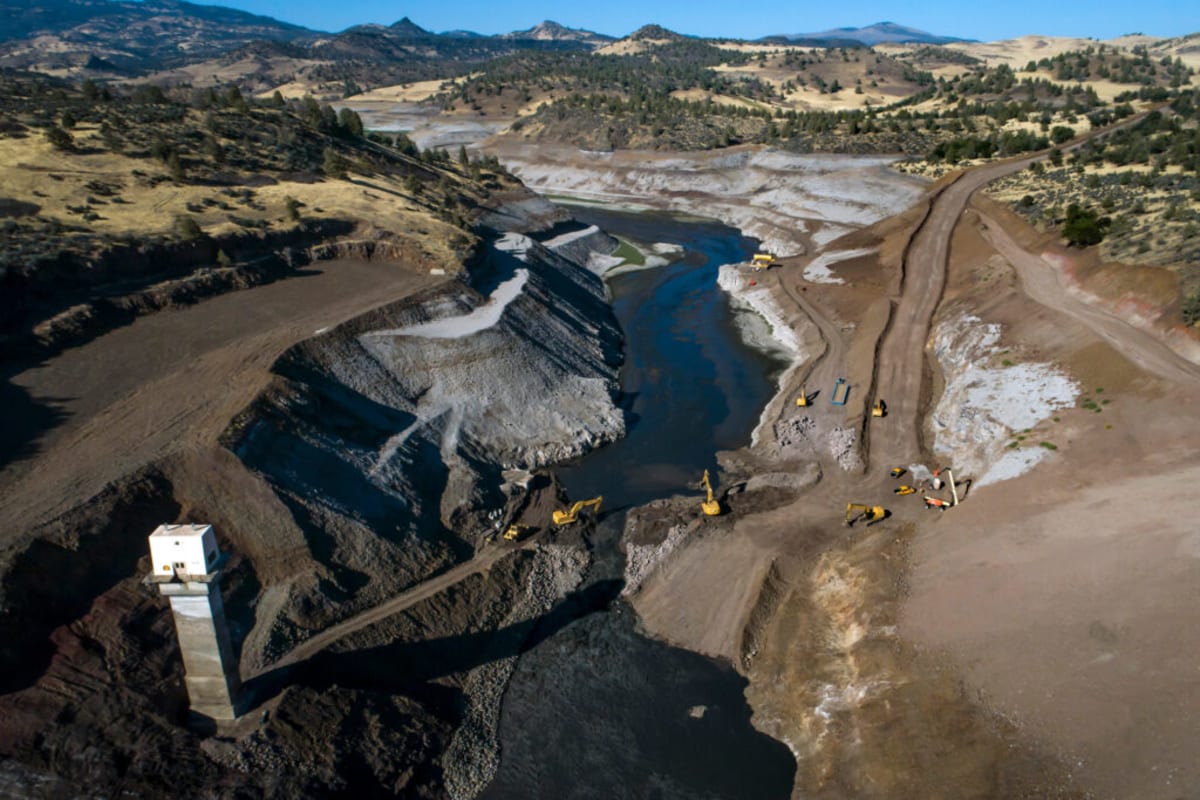
For the first time in over 100 years, salmon are swimming freely up California's Klamath River after crews removed four massive dams in 2024. Over 20,000 chinook salmon have already returned to their ancestral spawning grounds, moving faster than scientists ever expected.
For the first time in over a century, salmon are coming home to the upper Klamath River in California. After crews finished removing four major dams in August 2024, over 20,000 chinook salmon have already swum past the old dam sites into their traditional spawning grounds.
"The biological response has been much faster than I, and most of us, expected," said Damon Goodman, regional director for Cal Trout and lead author of a new study tracking the salmon's return. Within just two years, the fish have repopulated close to 90 percent of their previous range.
The Klamath River's salmon runs were once among the most productive in the western United States. Indigenous tribes in the region have depended on these fish for food, ceremonies, and spiritual connection for countless generations.
But in the early and mid-20th century, PacifiCorp built four dams on the river to generate electricity. The dams blocked migrating salmon and changed the river's natural flow, making the water warmer and destroying cold-water habitats the fish needed to survive.
In 2002, disaster struck when over 30,000 fish, mostly salmon, died on the Klamath in the largest salmon kill in history. That heartbreaking event sparked a tribally led effort that lasted years to remove the dams.
Now the river is healing. Without the dams, high-temperature reservoirs filled with algae blooms have returned to natural, flowing waters that stay cooler and cleaner.
Endangered coho salmon, steelhead, and Pacific lamprey have also returned within the first year. The fish are swimming through waters their ancestors haven't accessed since before 1920.
The Ripple Effect
This isn't just about fish coming back. It's about restoring a way of life for indigenous communities and proving that even after a century of damage, nature can bounce back remarkably fast when we remove the barriers we've built.
The Klamath dam removal is the largest dam removal project in U.S. history. It shows other communities that river restoration on a massive scale is possible.
Scientists caution that recovery won't be simple or quick. The region still faces challenges with water rights and ongoing drought conditions that threaten the salmon's long-term survival.
But for now, thousands of salmon are swimming home to waters their kind haven't seen in over 100 years, and that's worth celebrating.
Based on reporting by Inside Climate News
This story was written by BrightWire based on verified news reports.
Spread the positivity!
Share this good news with someone who needs it