2026 Brings Major Wins for Sustainability Worldwide
This year marks a turning point for practical sustainability, with rental services booming, repair rights expanding, and electric vehicles going mainstream. Real change is happening now, and it's making everyday life better and more affordable.
The future of sustainability isn't coming someday. It arrived in 2026, and it looks surprisingly convenient.
Around the world, the circular economy is finally hitting its stride. Instead of buying power tools for one project or designer clothes for a single event, millions of people are choosing rental and subscription services that cut waste and save money at the same time.
These platforms let families reduce clutter while keeping barely used items out of landfills. The shift represents a fundamental rethinking of ownership itself, one that prioritizes access over accumulation.
Meanwhile, the right to repair movement scored major legislative wins this year. New laws are forcing manufacturers to provide the parts, tools, and instructions people need to fix their own devices and appliances.
This pushback against planned obsolescence means products that last longer and cost less to maintain. For consumers, it translates to genuine control over the technology they own and a dramatic reduction in electronic waste.
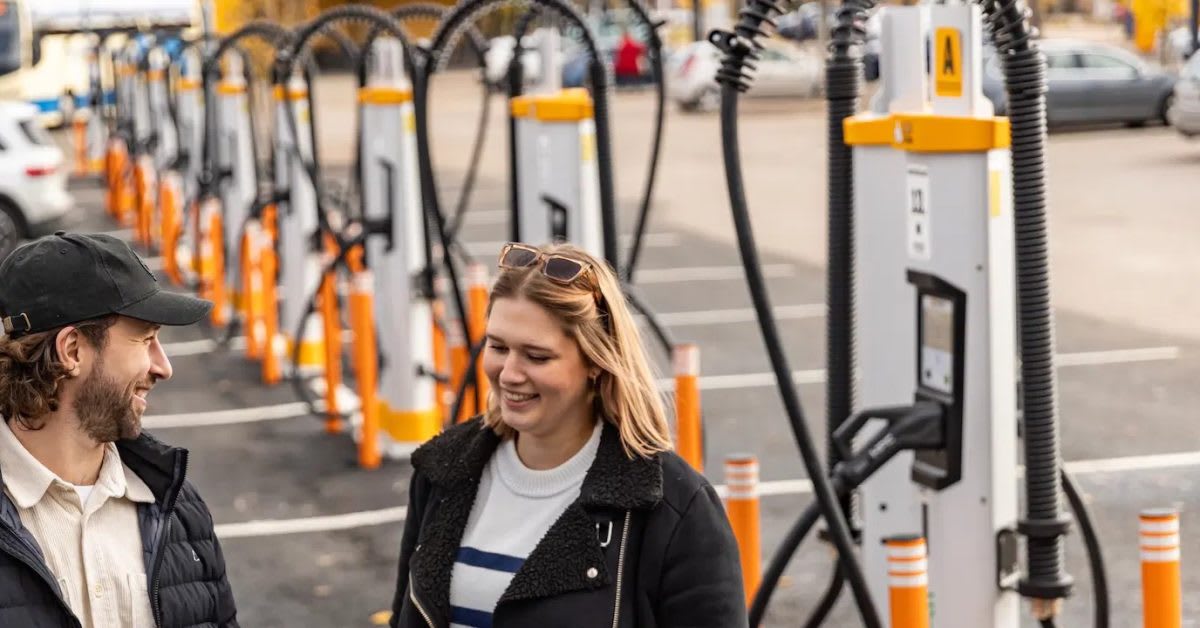
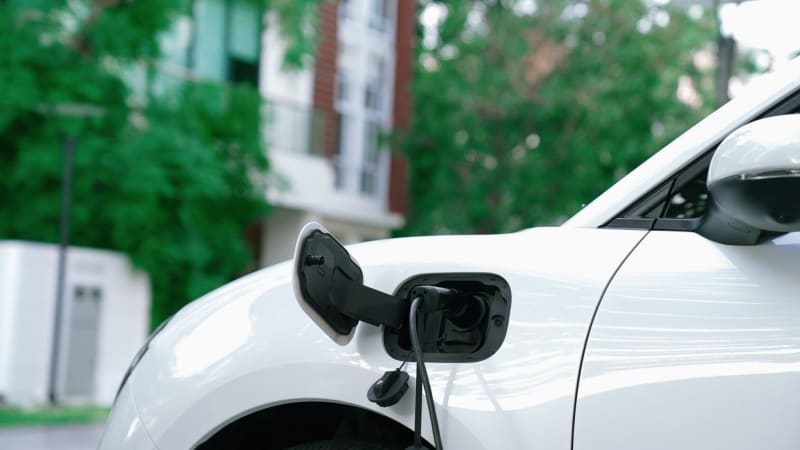
Electric vehicles crossed another threshold in 2026, with charging times dropping and public charging stations appearing in communities everywhere. The convenience gap between gas and electric cars is closing fast, making EVs a practical choice for more drivers than ever before.
Ride shares and taxis are going electric too, which means even people not ready to buy can participate in cleaner transportation. Battery technology improvements have made range anxiety nearly obsolete for most daily driving needs.
Behind the scenes, artificial intelligence is quietly revolutionizing how goods move around the planet. Major retailers now use AI systems to optimize delivery routes, reducing both emissions and delivery times through smarter logistics.
Fewer trucks making unnecessary trips means lower costs and a smaller carbon footprint for online shopping. The technology is becoming accessible enough that small businesses can benefit too.
Alternative fuels are transforming the hardest sectors to decarbonize. Aviation and shipping companies are investing heavily in biofuels and hydrogen, tackling industries that account for massive global emissions.
Travelers are embracing ecotourism in record numbers, choosing accommodations and experiences that prioritize environmental conservation. Local guides who emphasize sustainability are finding enthusiastic audiences ready to explore responsibly.
The Ripple Effect
What makes 2026 different is how these changes reinforce each other. Repairing instead of replacing saves money that might go toward an electric vehicle. AI-optimized deliveries make sustainable shopping more convenient. Rental services introduce people to quality products they might not otherwise try.
Each choice creates momentum for the next one. Communities adopting these practices together are finding that sustainability builds resilience, strengthens local economies, and improves quality of life in tangible ways.
The shift isn't about sacrifice or virtue signaling. It's about choosing better options that happen to be good for the planet, often while saving money and gaining convenience in the process.
This year proves that when sustainable choices become easier than unsustainable ones, real transformation happens fast.
Based on reporting by Optimist Daily
This story was written by BrightWire based on verified news reports.
Spread the positivity!
Share this good news with someone who needs it