More EV Charging Plugs Beat Faster Speeds, Data Shows
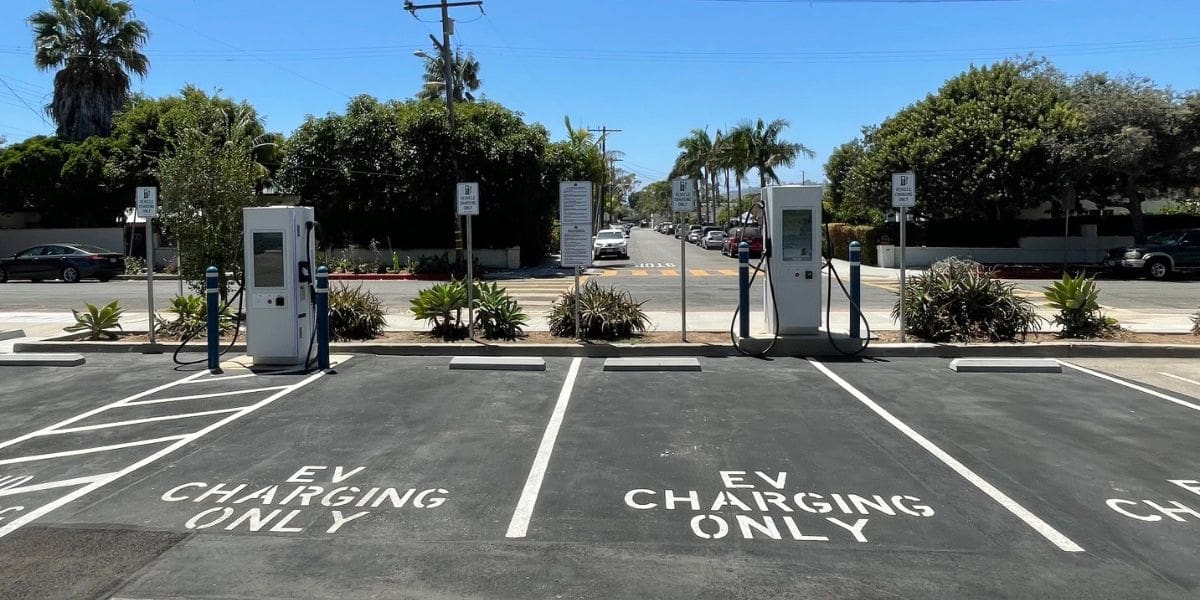
A surprising analysis of North American EV charging sites reveals that having more plugs matters three times more than raw charging power for getting drivers the energy they need. The finding could reshape how operators build charging stations and help more drivers find open spots.
Installing more charging plugs at public EV stations beats fewer ultra-fast chargers when it comes to actually serving drivers, according to new data that could change how America builds its electric vehicle infrastructure.
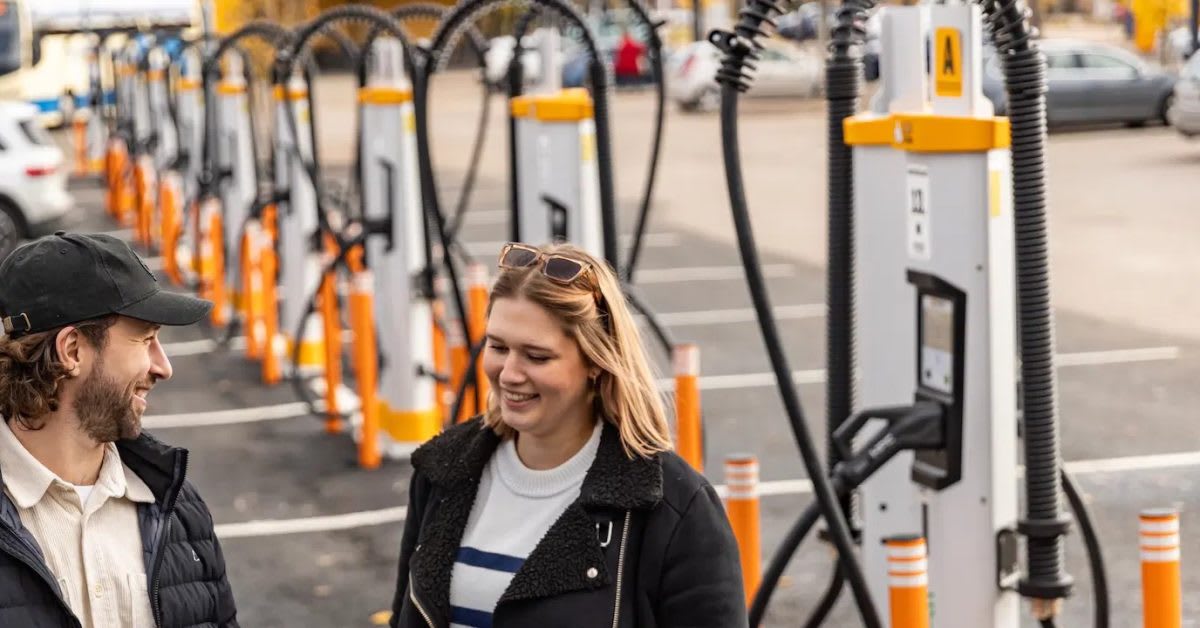
Finnish charging company Kempower analyzed data from its North American charging sites and found something unexpected. Plug count had three times the relationship with how much a charging site gets used compared to total installed power.
Sites with eight plugs delivered more than twice as much energy as four-plug locations. The eight-plug sites moved 128,342 kilowatt hours compared to 61,453 kWh at the smaller stations.
The reason makes sense once you understand how EVs actually charge. Cars don't maintain their peak charging speed throughout an entire session, so a station doesn't need enough power for every vehicle to pull maximum speed at once.
Kempower's system connects multiple plugs to a central power unit, then shifts available power between vehicles in 25-kilowatt chunks based on what each car can accept in real time. When one EV's charging curve drops from 250 kW to 100 kW, that unused capacity flows to another vehicle instead of sitting idle.
Sites using this power-sharing approach averaged 83% higher utilization than stations with fixed-power chargers. The sweet spot appears to be around 100 kW of available power per plug when all connectors are occupied.
For charging operators, this could mean adding more plugs without paying for enough grid capacity to deliver every connector's maximum advertised speed simultaneously. More drivers get access, and the system distributes power based on actual vehicle needs rather than theoretical maximums.
The Ripple Effect
The implications stretch beyond just individual charging sessions. More plugs mean shorter wait times when stations are busy, with a 20-charger location opening a spot every 75 seconds compared to nearly 200 seconds at an eight-charger site.
The approach also makes charging networks more resilient. When one or two chargers break down at a large station, they represent a smaller percentage of total capacity compared to a four-plug location losing half its service.
This data-driven approach to infrastructure planning could help America build its EV charging network smarter and faster. Instead of focusing solely on ever-faster charging speeds, operators can prioritize access and availability, getting more drivers on the road with fewer expensive grid upgrades.
The research shows what many road-tripping EV drivers already knew from experience: finding an open plug matters more than finding the absolute fastest charger, especially when smart systems ensure you still get the speed your vehicle needs.
More Images



Based on reporting by Electrek
This story was written by BrightWire based on verified news reports.
Spread the positivity!
Share this good news with someone who needs it