21-Million-Year-Old Whale Fossil Found on Victorian Beach
Scientists just pulled off one of Victoria's most complicated fossil extractions, recovering a remarkably rare 21-million-year-old whale skeleton that could unlock secrets about how whales evolved. The discovery at Ocean Grove beach is one of very few windows into a crucial but mysterious chapter in Earth's history.
A groundbreaking fossil discovery on a Victorian beach is about to reveal secrets from a time when Earth's climate was transforming and modern whales were just beginning to emerge.
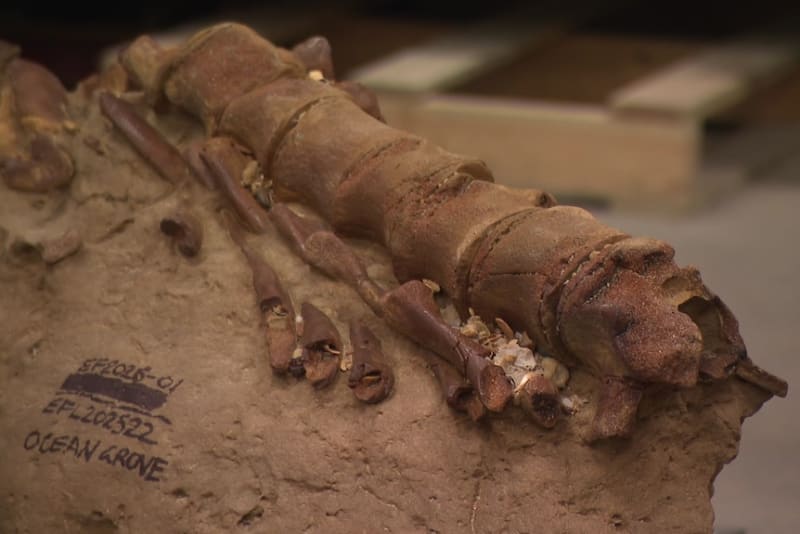
When someone emailed Museums Victoria in December saying they'd found something unusual on Ocean Grove beach, senior palaeontologist Eric Fitzgerald didn't expect to find what he calls a "monumental" discovery. The fossil turned out to be a 21-million-year-old toothed whale skeleton with bones still connected, something extremely rare in the fossil record.
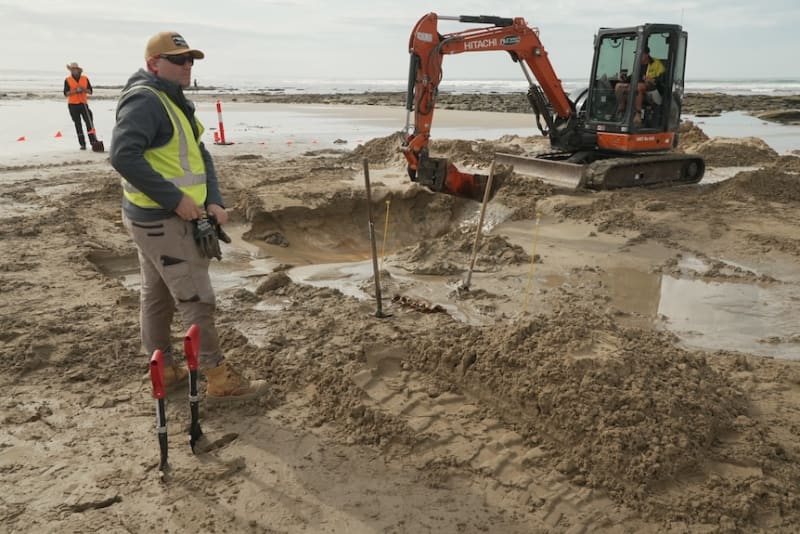
The real challenge came next. The fossil sat buried under half a meter of sand in the middle of a popular public beach, and the team had to figure out how to relocate it months later when extraction permits came through.
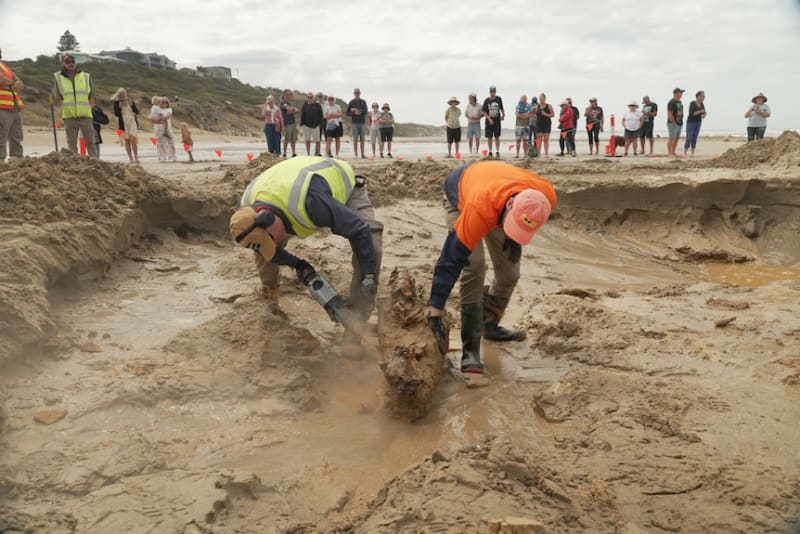
Fitzgerald's team developed a creative tracking system using GPS coordinates and markers to pinpoint the exact location. Earlier this week, about 20 people gathered before dawn for a race against the tide to safely extract the precious find.
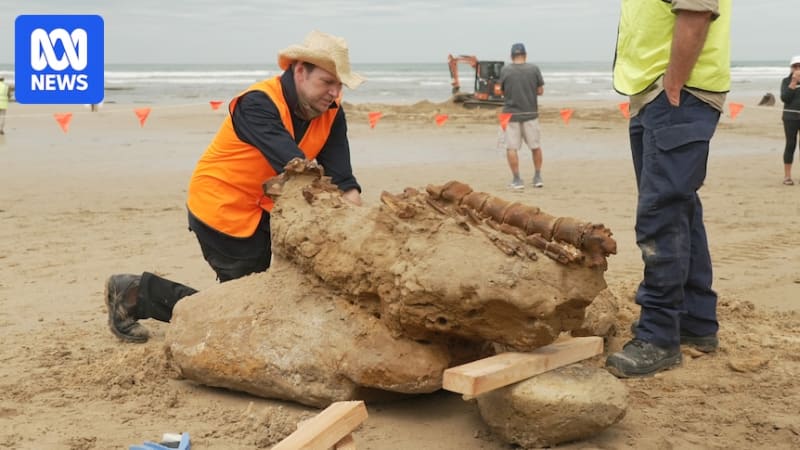
"There were some real hairy moments," Fitzgerald said, watching the clock as waves approached. Power tools failed to break the one-tonne sandstone block free, so an excavator operator stepped in with remarkable precision, treating the ancient remains "as though it was a newborn child."
The fossil is now safely housed at Museums Victoria Research Institute, where scientists will begin the painstaking process of 3D scanning and chipping away sandstone grain by grain to reveal the bones underneath.
Why This Inspires
This discovery matters far beyond Australia's shores. Fossils from this particular period are incredibly rare worldwide, making Ocean Grove one of very few places on Earth where scientists can study this pivotal moment in whale evolution.
Twenty-one million years ago, Antarctica had just become isolated and was beginning to freeze. Victoria's coastline sat further south than New Zealand's southern tip today, and the oceans were exploding with new life as plankton, squid and fish populations boomed in response to changing conditions.
Modern whale and dolphin groups were just starting to emerge during this tumultuous period. This fossil could reveal exactly how these magnificent creatures adapted as Earth's climate shifted and ocean ecosystems transformed.
"It feels very important to be part of this really groundbreaking discovery because research into fossilised whales in Australia is really in its infancy," Fitzgerald said.
The find represents more than just scientific progress. It's a reminder that sometimes the most important answers to our questions about life on Earth are still waiting to be discovered, buried beneath the sand at beaches we walk past every day.
More Images
Based on reporting by ABC Australia
This story was written by BrightWire based on verified news reports.
Spread the positivity!
Share this good news with someone who needs it