23 Right Whale Calves Born—Best Season in 16 Years
The critically endangered North Atlantic right whale just had its best breeding season since 2009, with 23 calves spotted. Four more wildlife wins from around the world prove conservation works.
Conservation teams are celebrating major wins for wildlife this week, from baby whales in the Atlantic to new species discoveries in remote Africa.
Researchers recorded 23 North Atlantic right whale calves during the latest breeding season, the highest count since 2009. With only a few hundred of these giants left on Earth, every calf represents critical hope for a species that has faced ship strikes, fishing gear entanglements, and changing ocean conditions for decades.
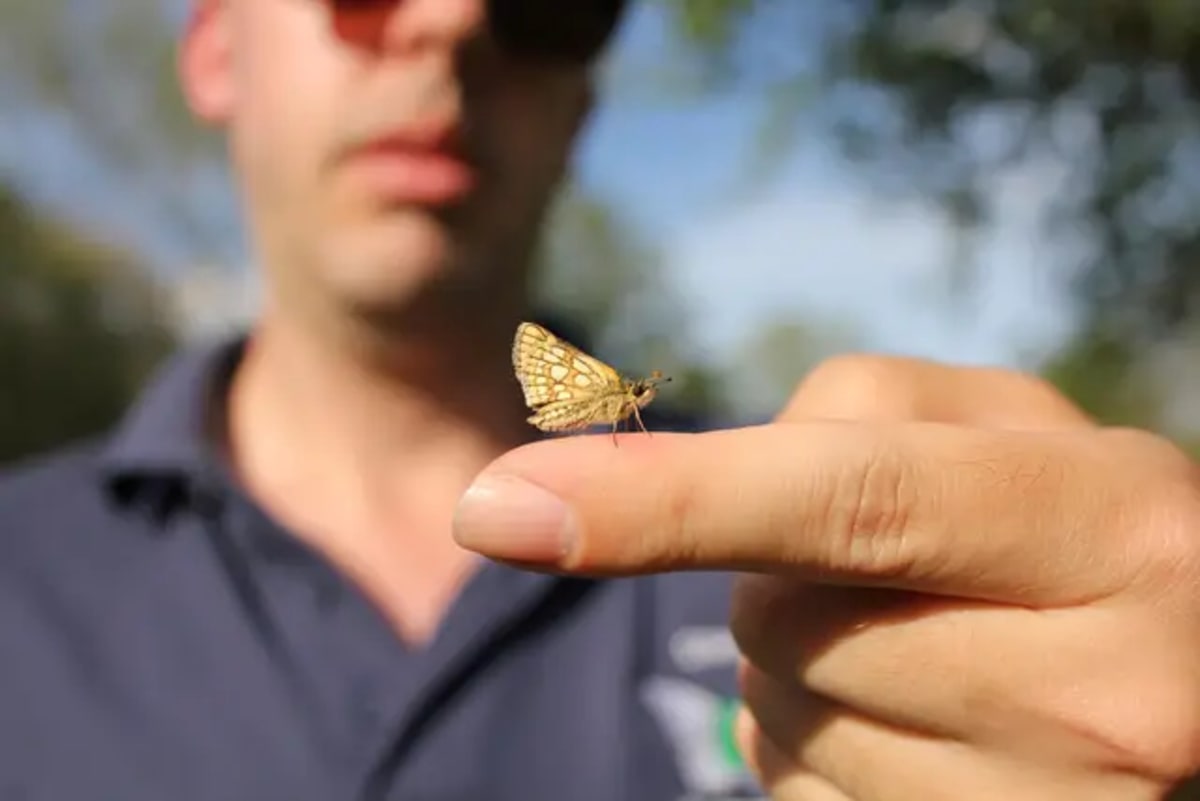
In Angola, scientists exploring the remote Lisima Plateau discovered species completely new to science. The expedition found previously undocumented dragonflies, grasshoppers, butterflies, moths, and even a fluorescent spider that glows under ultraviolet light.
The plateau feeds major river systems including the Congo, Okavango, and Zambezi, supporting millions of people who depend on these waters. New species discoveries give researchers stronger reasons to protect these habitats before they disappear.
Meanwhile, Australia's critically endangered Kangaroo Island dunnart is making a comeback after devastating 2019-2020 bushfires nearly wiped out the tiny marsupial. Conservation teams installed artificial shelters throughout burned areas, and recent monitoring shows the shelters are helping dunnarts survive and reproduce while vegetation slowly regrows.
In the United States, Connecticut proposed downgrading the bald eagle and peregrine falcon from their endangered status due to strong population recoveries. Both birds nearly vanished during the twentieth century because of habitat loss and pesticides, but decades of habitat protection, nest monitoring, and chemical restrictions brought them back.
The Ripple Effect
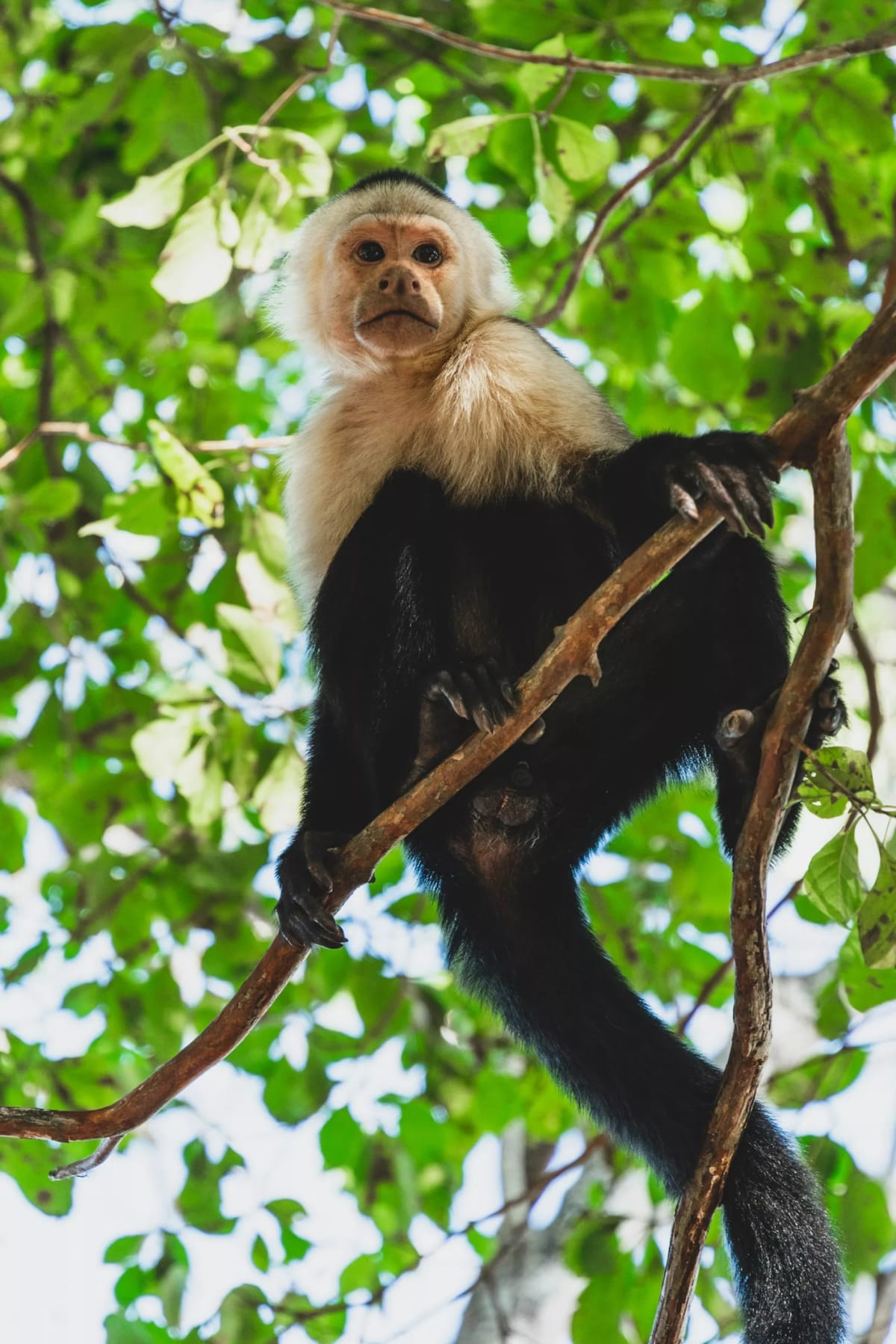
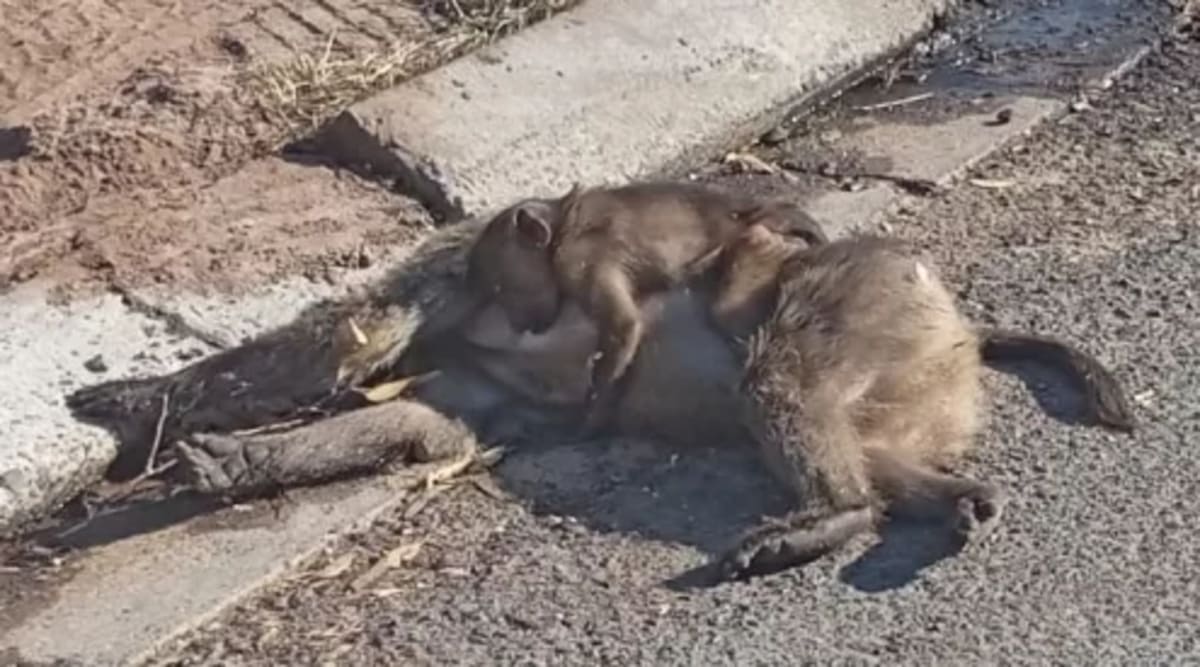
Costa Rica delivered another win with a landmark court ruling requiring authorities to fix dangerous power infrastructure that has killed thousands of monkeys through electrocution. Howler monkeys, spider monkeys, and white-faced capuchins will benefit from required safety upgrades to power lines.
The decision shows how modern conservation increasingly focuses on adapting human infrastructure to reduce accidental harm to wildlife. As cities expand into natural areas, these practical solutions can prevent thousands of preventable deaths.
From tiny marsupials to massive whales, this week's stories prove that committed conservation efforts pay off across every scale and ecosystem.
More Images

Based on reporting by Google News - Conservation Success
This story was written by BrightWire based on verified news reports.
Spread the positivity!
Share this good news with someone who needs it