Remote Island Welcomes Endangered Marsupials After Decade
For the first time in over 100 years, tiny bettongs are hopping across an Australian island, thanks to scientists who studied poop to bring them home. The decade-long restoration project is turning back time to 1616.
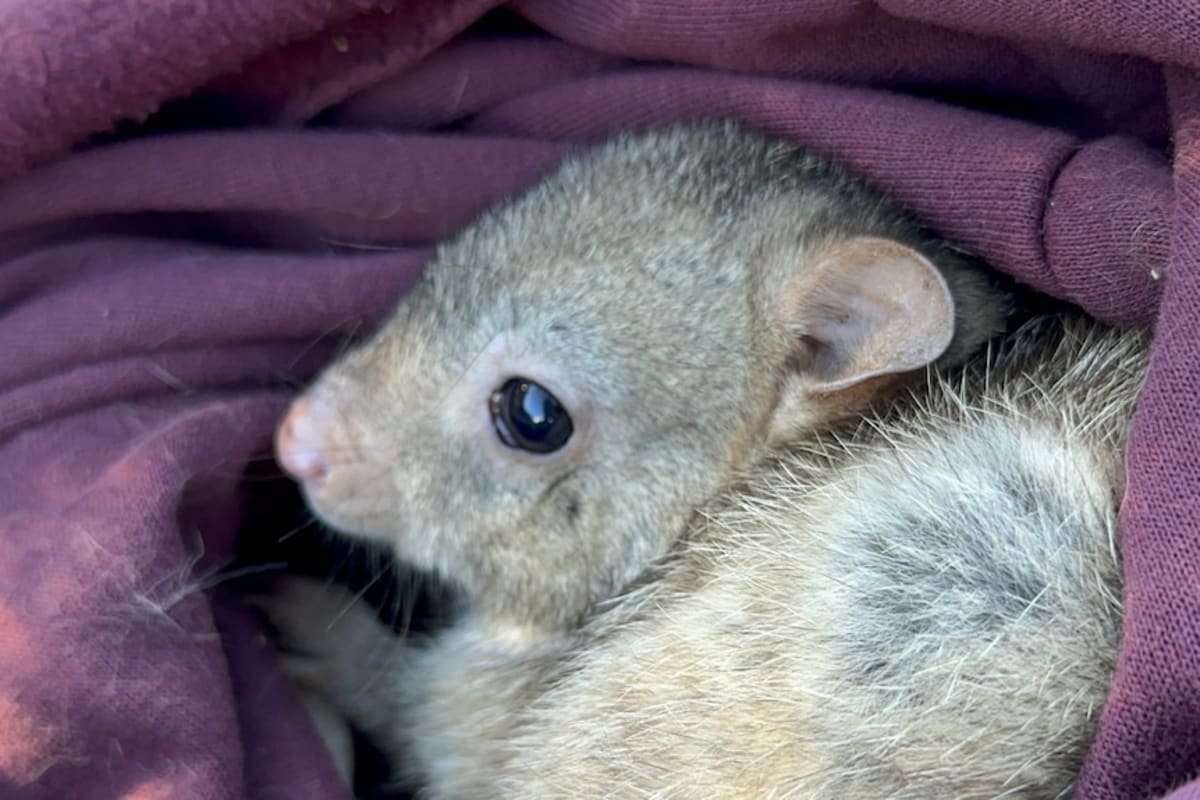
After more than a century, an endangered marsupial the size of a rat is bouncing through the brush of a remote Australian island again.
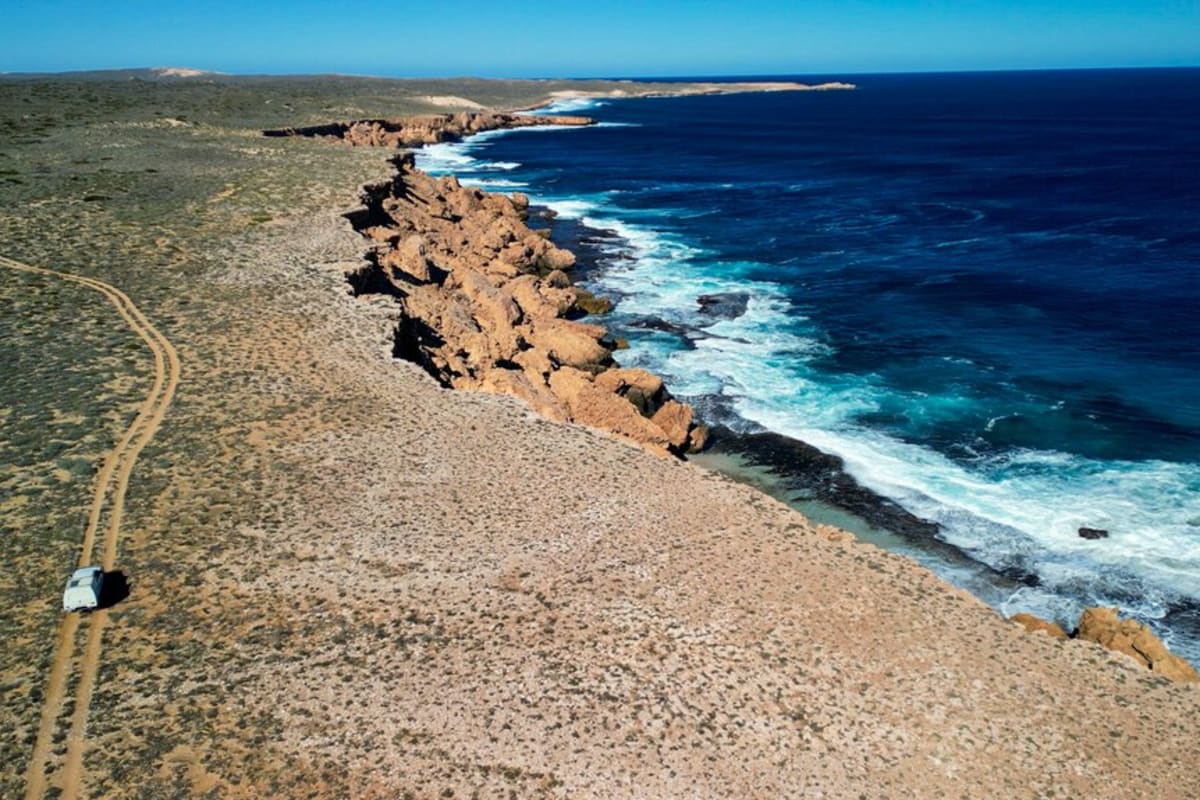
Dirk Hartog Island sits 850 kilometers north of Perth in Western Australia's Shark Bay World Heritage Area. For the past decade, conservationists have worked to undo centuries of damage from invasive species, and their latest success story involves studying animal droppings to save a species.
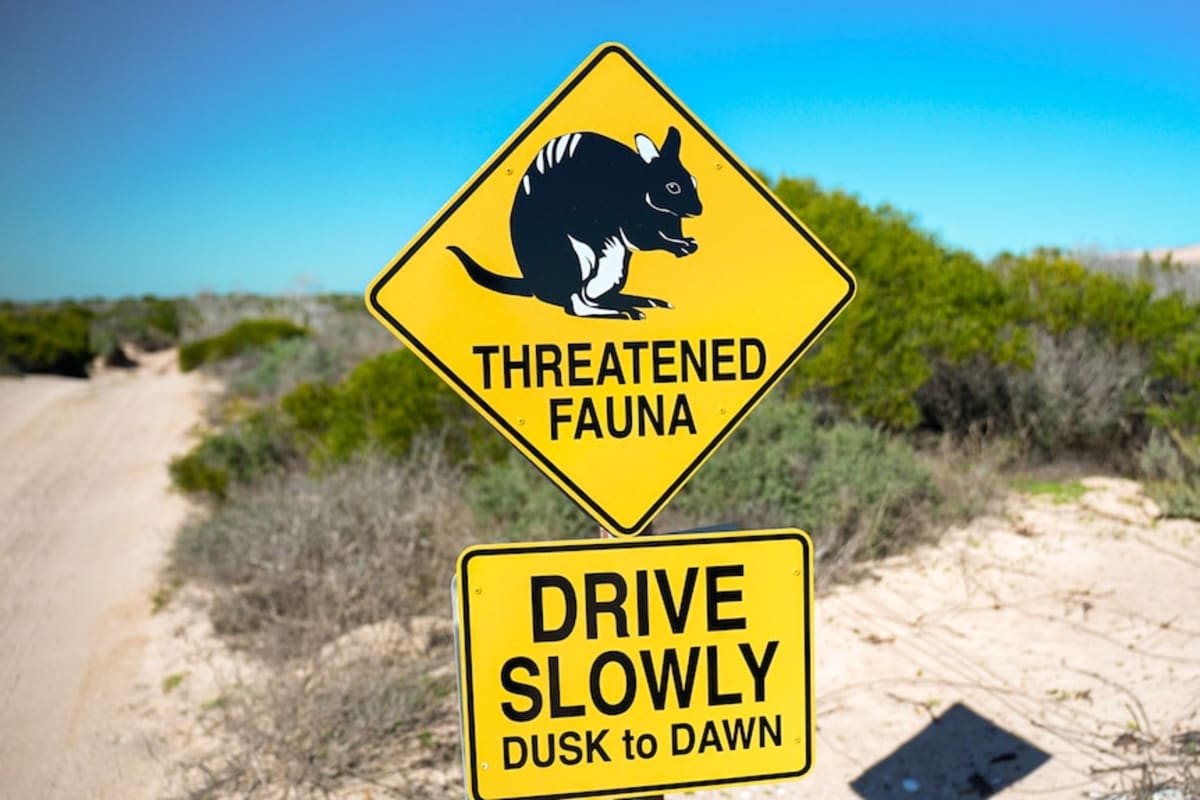
Bettongs, nicknamed "rat kangaroos" for their tiny hopping bodies, once thrived across Australia's deserts. Then feral cats and European foxes hunted them nearly to extinction, forcing the survivors into protected sanctuaries under constant watch.
But before wildlife officials could bring bettongs home to Dirk Hartog Island, they needed to answer a crucial question: Would the island feed them?
Researcher Rebecca Quah from Edith Cowan University found the answer in an unexpected place. She analyzed bettong droppings to create a molecular fingerprint of the fungi they eat, then compared it to soil samples from the island.
"There's so much you can do with poop," Quah said. "You just gotta get in there."
Her unglamorous work paid off beautifully. The island hosts 75 types of fungi that produce the mushrooms bettongs love, and about half of their favorite varieties were already growing there despite years of damage from feral goats.
The Ripple Effect
The bettongs are just one piece of an ambitious puzzle called Return to 1616. The project aims to restore the island's ecosystem to the moment Dutch explorer Dirk Hartog first stepped ashore over 400 years ago.
Early monitoring shows the endangered woylies, one type of bettong, are already eating and breeding well. Another variety called boodies will join them this spring as the second-to-last species in the restoration plan.
The changes are visible across the landscape. Animals dig through the soil, reshaping vegetation and bringing new energy to the terrain.
"It's really bringing the island to life," said Colleen Sims, senior project officer for Return to 1616. Within five years, officials plan to introduce a native predator to complete the restored ecosystem.
For Quah, the countless hours studying animal waste led to something much bigger than data. She helped create a home where endangered creatures can thrive again, one molecule at a time.
A decade of patient work is proving that sometimes you can turn back the clock on environmental damage and give wildlife a second chance.
More Images

Based on reporting by ABC Australia
This story was written by BrightWire based on verified news reports.
Spread the positivity!
Share this good news with someone who needs it