Scientists Map DNA to Save Rare Philippine Spotted Deer
Researchers in the Philippines just unlocked the genetic blueprint of the critically endangered Visayan spotted deer, and it's already changing how conservationists will save the species. A single discovery in the DNA could help rescue these beautiful animals from extinction.
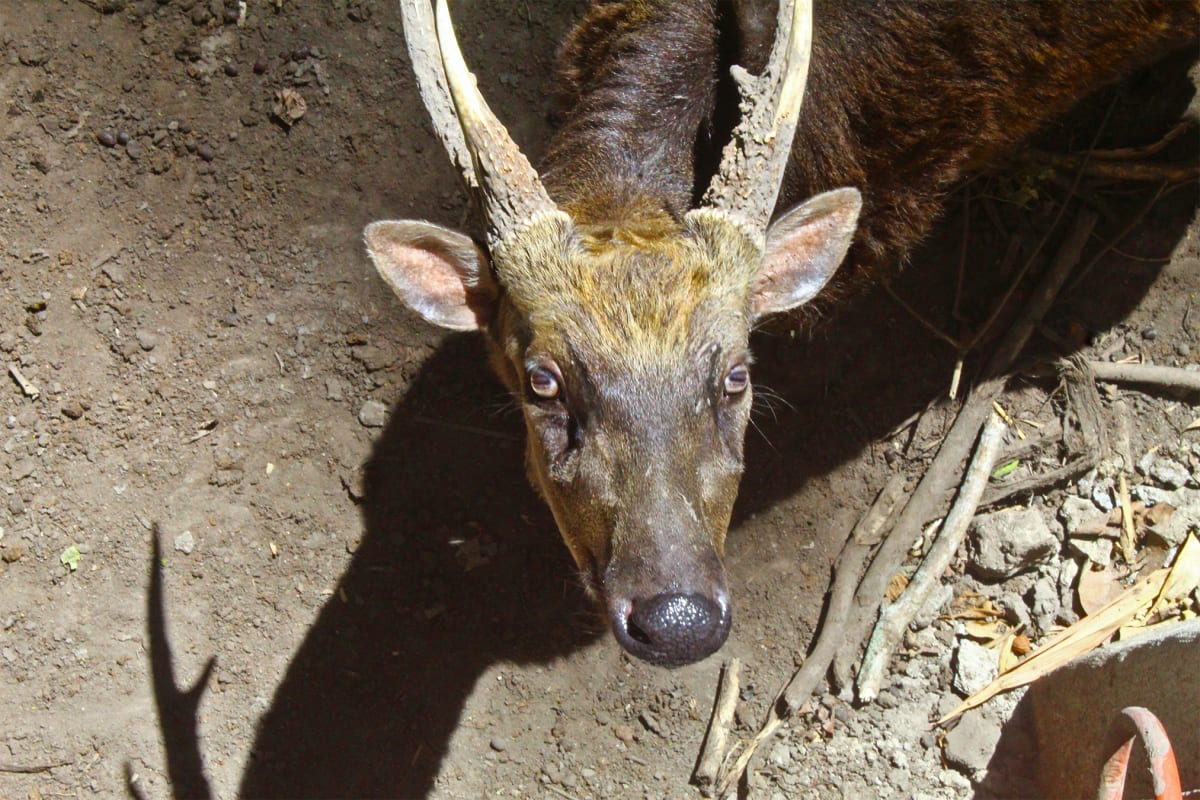
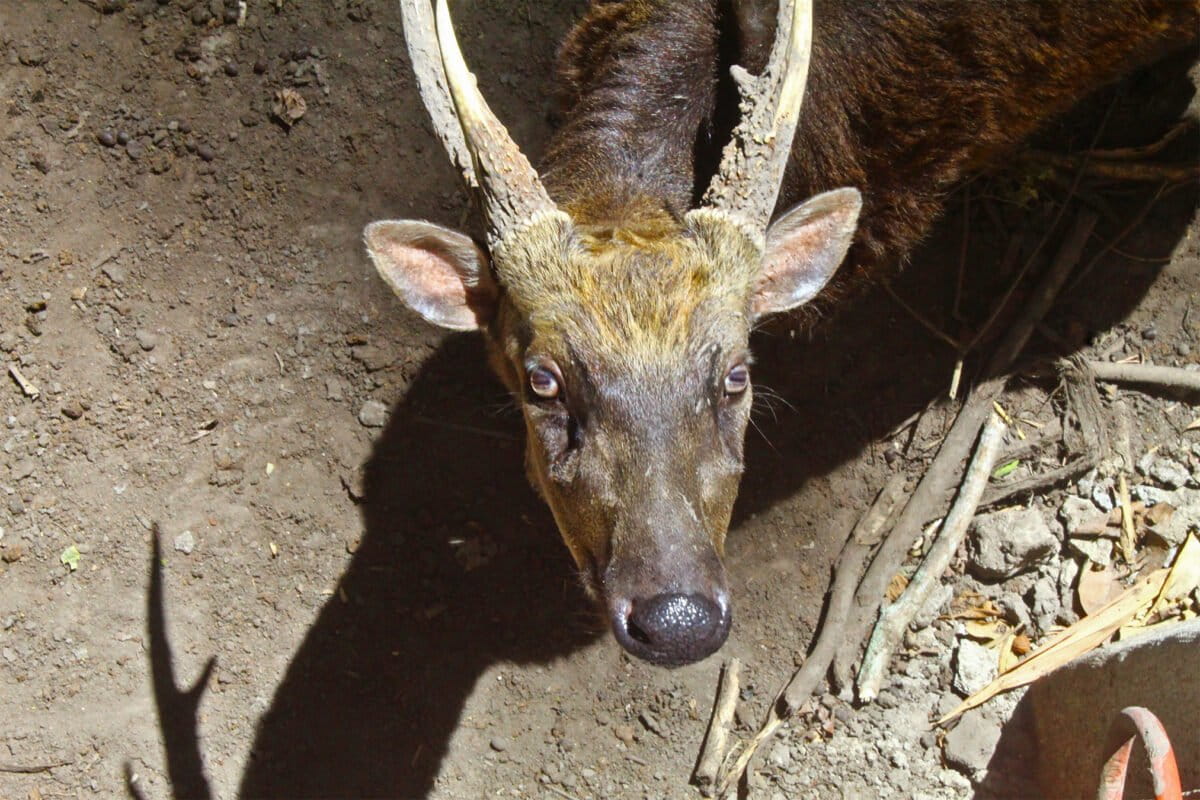
Scientists in the Philippines have sequenced the complete genome of the Visayan spotted deer for the first time, revealing a genetic roadmap that could pull the species back from the brink of extinction. Only 700 of these graceful animals remain in the wild, confined to just two islands after decades of habitat loss and hunting.
Researchers at Silliman University and the Philippine Genome Center Visayas mapped 2.5 billion DNA letters from a captive deer named Abraham. This marks the first time any endangered Philippine mammal has had its genome fully sequenced.
The team discovered Abraham's genetic diversity score was just 0.17, far below the 0.3 typical of healthy wild populations. The low number confirmed what scientists suspected: decades of isolation had caused inbreeding in captivity, weakening the genetic health of the breeding colony.
But the genome revealed something hopeful too. Biologist Persie Mark Sienes found a rare genetic variation in one individual deer that could strengthen future generations. Even better, that deer is still able to breed.
"We have identified a rare allele found only in one individual here, and luckily this individual is still sexually active," Sienes said. This single discovery has already prompted conservation facilities to overhaul their breeding programs.
The Ripple Effect
The genetic breakthrough is transforming conservation efforts across the Philippines. Silliman University is replacing its old breeding methods with a new genome-based protocol that will strategically match deer to maximize genetic diversity.
Three conservation facilities that stopped exchanging animals in 2007 are now planning to resume transfers. By sharing deer between captive populations, they can introduce fresh genetic material and strengthen the entire species.
The team also plans to test mixing captive and wild populations at the 300-acre Bayawan Nature Reserve, home to 70 deer. This ambitious experiment could bridge the genetic gap between zoo animals and their wild cousins, giving both groups a better chance at survival.
The genome sequence creates a blueprint that conservationists can follow for decades to come. Each breeding decision can now be guided by genetic data rather than guesswork, maximizing every opportunity to restore the species' health.
This tiny deer population in the Philippines now has something it desperately needed: a fighting chance based on science.
More Images
Based on reporting by Mongabay
This story was written by BrightWire based on verified news reports.
Spread the positivity!
Share this good news with someone who needs it