Texas Ocelots Using Wildlife Crossings to Avoid Extinction
Fewer than 100 wild ocelots remain in the United States, but new wildlife crossings in Texas are giving these endangered cats a fighting chance. Trail cameras just confirmed what conservationists hoped for: the crossings are working.
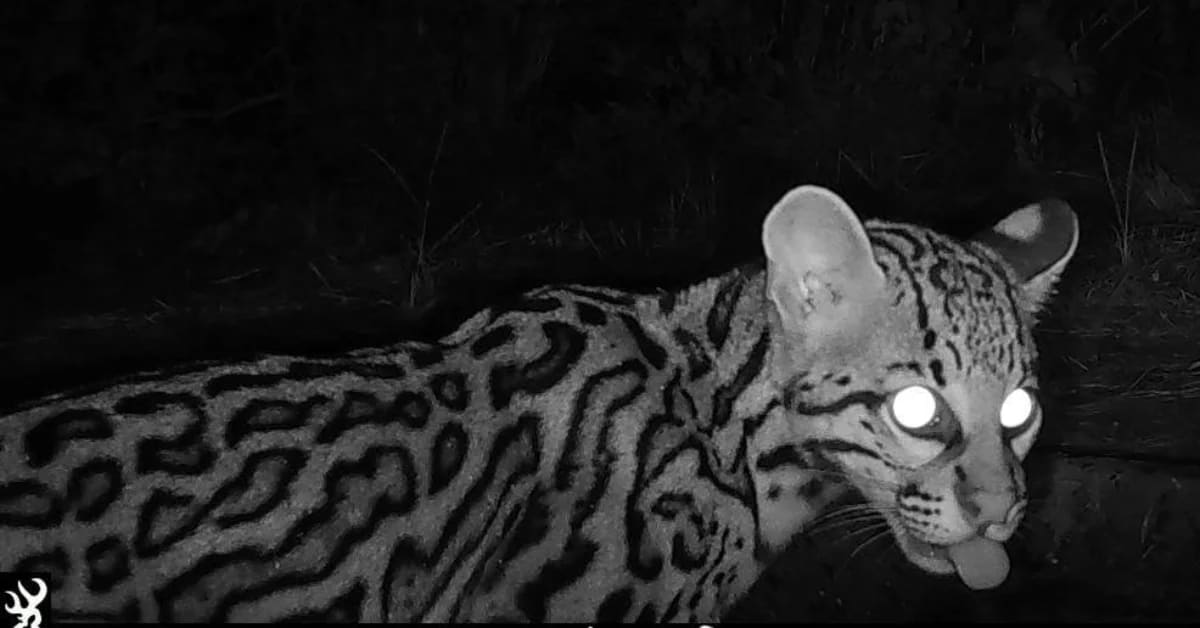
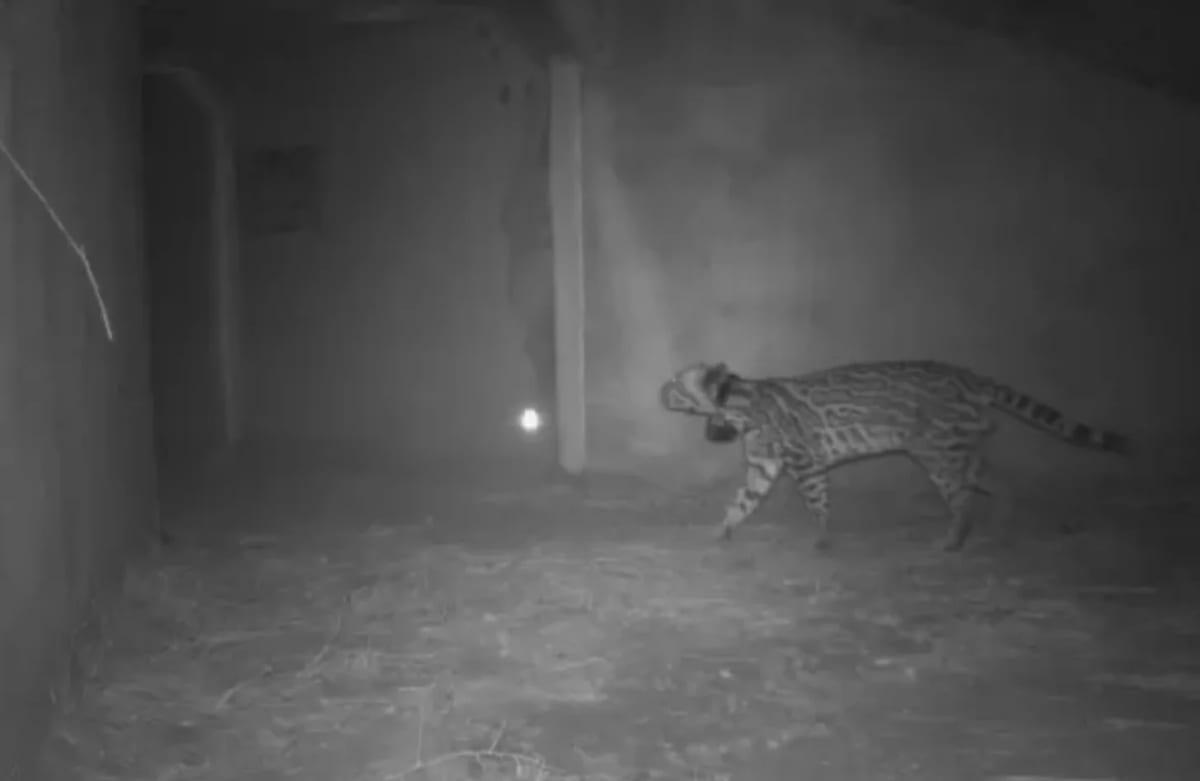
When trail cameras captured a collared ocelot named OM331 padding through a wildlife underpass in Texas, it marked a turning point for one of America's rarest cats.
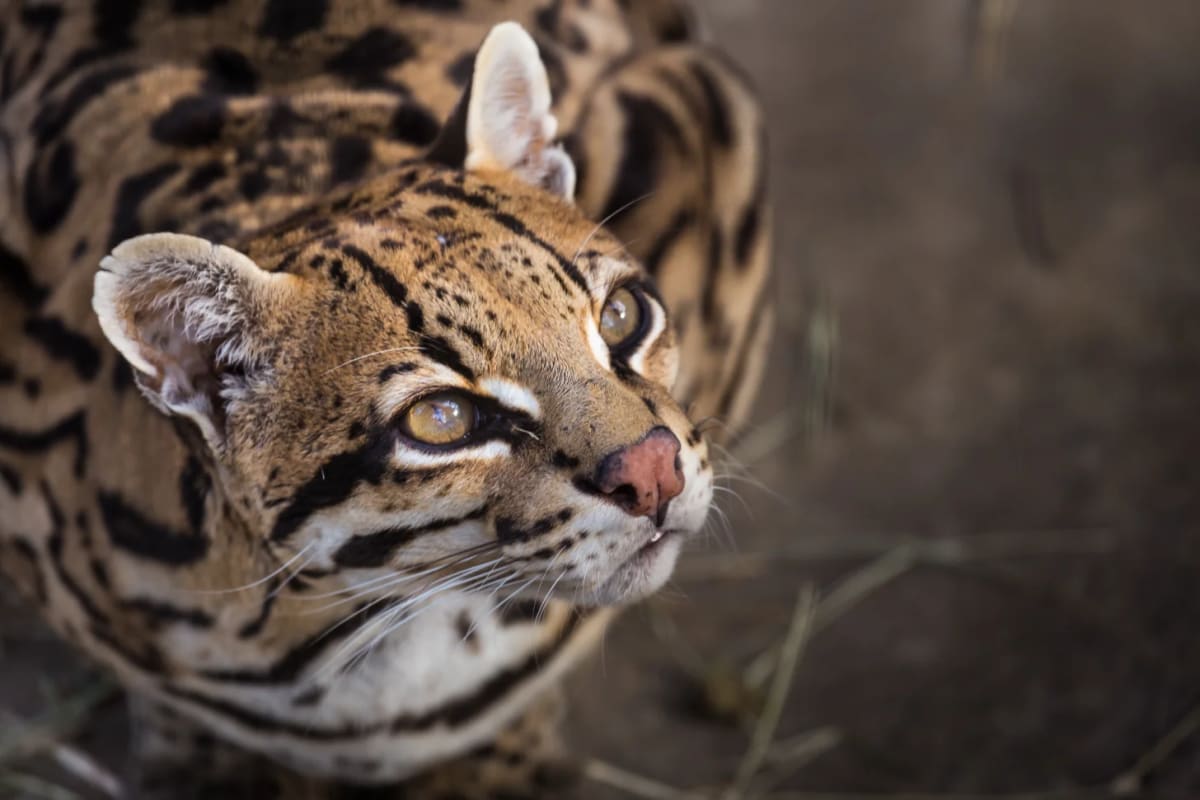
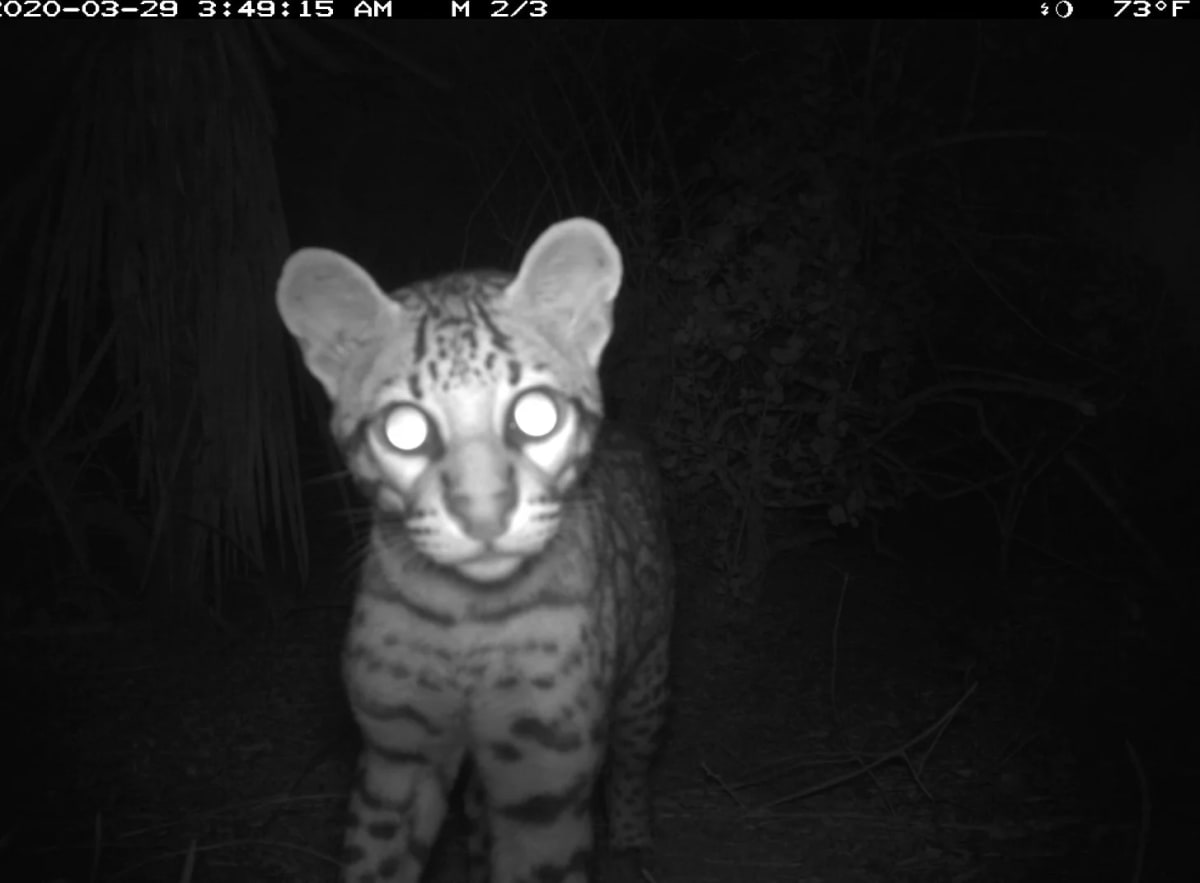
The spotted, medium-sized wild cat once roamed freely across the American Southwest. Today, habitat loss and busy roads have pushed their population below 100 individuals in the entire United States, with one of their last strongholds in Laguna Atascosa National Wildlife Refuge in the Lower Rio Grande Valley.
The problem was clear: ocelots needed to cross a busy road running through the refuge to reach the dense habitat essential for their survival. Vehicle collisions were killing 40% of the population, pushing these beautiful cats closer to extinction.
Texas had a solution. In 2013, the state began developing eight wildlife underpasses on FM 106, the road cutting through ocelot territory. Construction wrapped up in summer 2019, and conservationists held their breath.
On January 25, 2020, the waiting paid off. OM331, a five-year-old male wearing a tracking collar, became the first ocelot photographed using the new underpass. He had approached it cautiously on January 17, taking over a week to work up the courage to cross beneath the road instead of over it.
That single crossing sparked hope. Research shows animals often take years to adapt to new crossing structures, meaning usage typically increases over time. Seeing an ocelot so quickly was better than anyone expected.
The Ripple Effect
The crossings are saving more than ocelots. Trail cameras have documented 26 different species using the underpasses, from mountain lions and alligators to Texas indigo snakes and bridled weasels. Bobcats, coyotes, beavers, and raccoons now travel safely under roads instead of risking their lives above.
The success caught federal attention. In 2023, Texas received $1.8 million from the Federal Highway Administration's Wildlife Crossings Pilot Program to build more crossings specifically designed to protect ocelots. The funding came from the Bipartisan Infrastructure Law, which set aside $350 million nationwide for wildlife crossing projects.
Texas has now built 32 animal crossings statewide, with 21 locations in South Texas focused on ocelot protection. John Young Jr., a Texas Department of Transportation environmental specialist, calls the project a proven success for multiple wildlife species.
For ocelots clinging to survival in their last U.S. breeding ground, these tunnels represent something more precious than safe passage: they represent a future.
More Images

Based on reporting by Good Good Good
This story was written by BrightWire based on verified news reports.
Spread the positivity!
Share this good news with someone who needs it