2,300-Year-Old Golden Headdress Found in Altai Burial
Archaeologists in Russia's Altai region discovered a rare Pazyryk headdress decorated with golden saiga antelope heads in a woman's grave dating back over 2,300 years. The find reveals new insights into ancient steppe culture and the lives of women in this vanished society. ##
A woman buried over two millennia ago in northwestern Altai took a stunning secret with her: a headdress adorned with golden animals that would wait 2,300 years to tell her story.
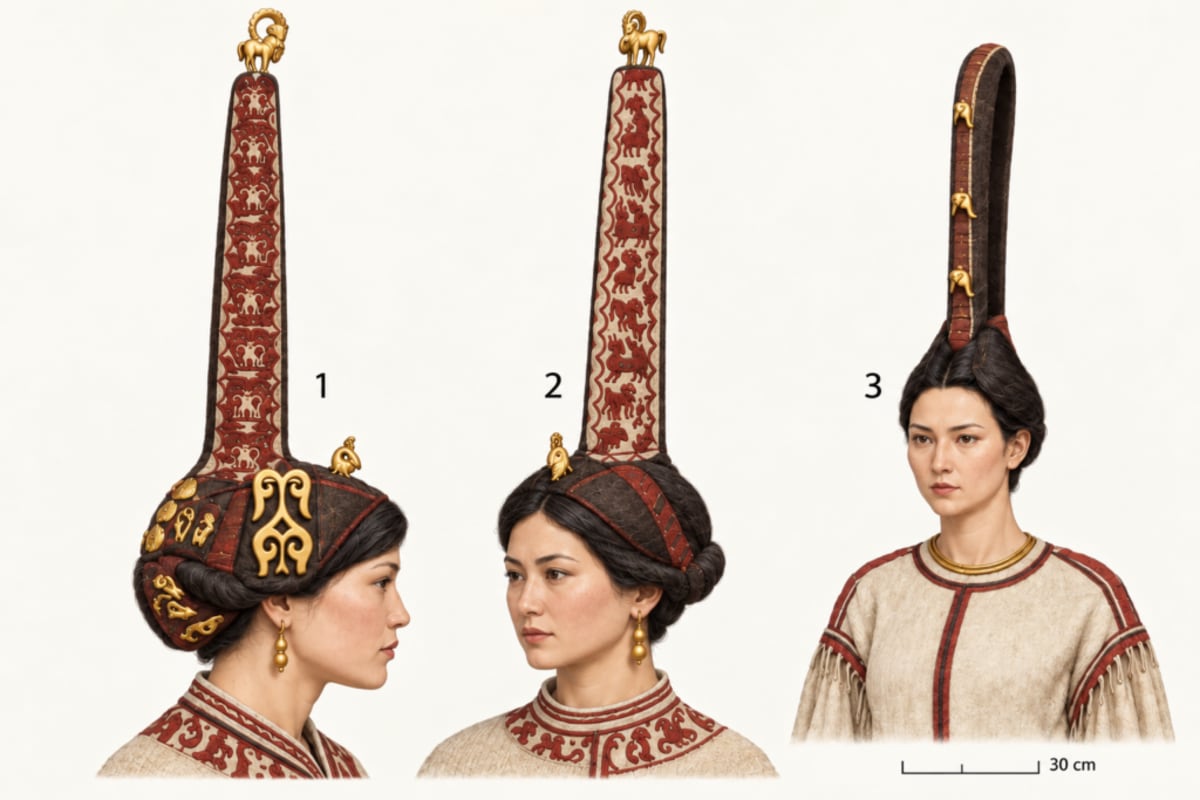
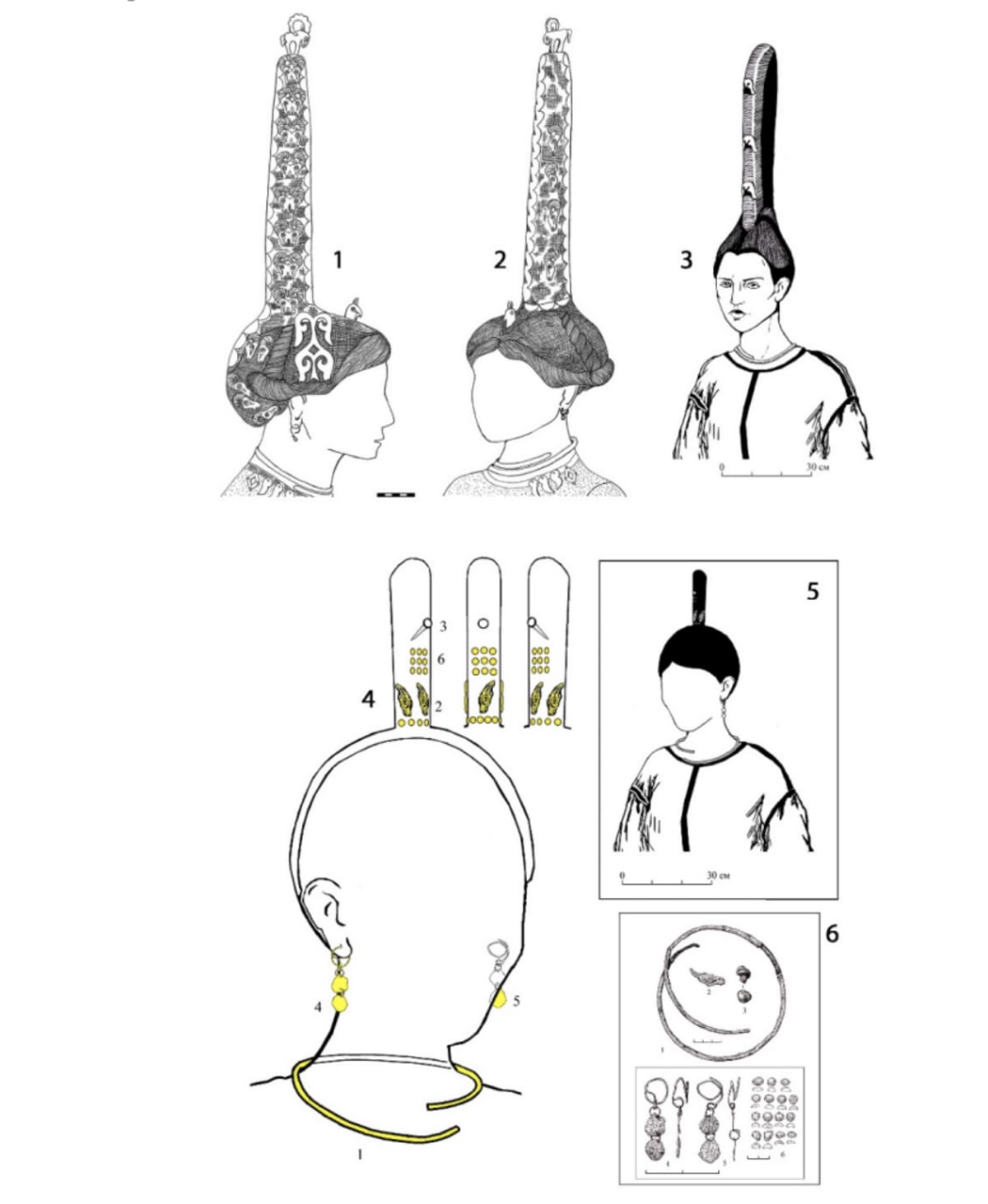
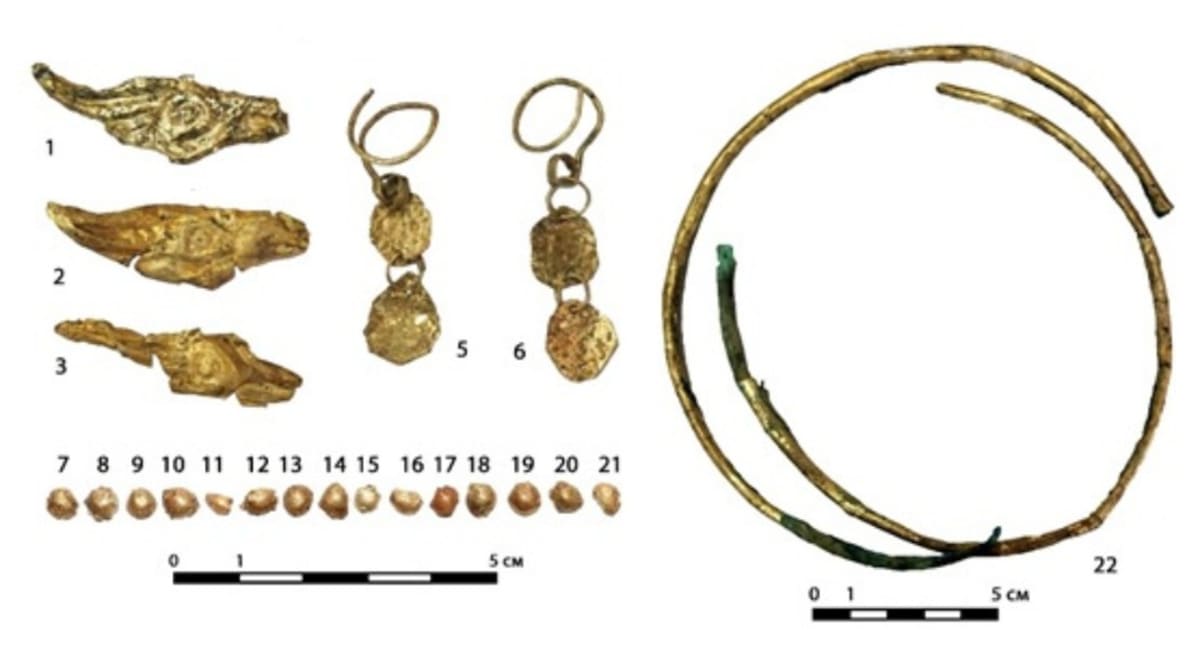
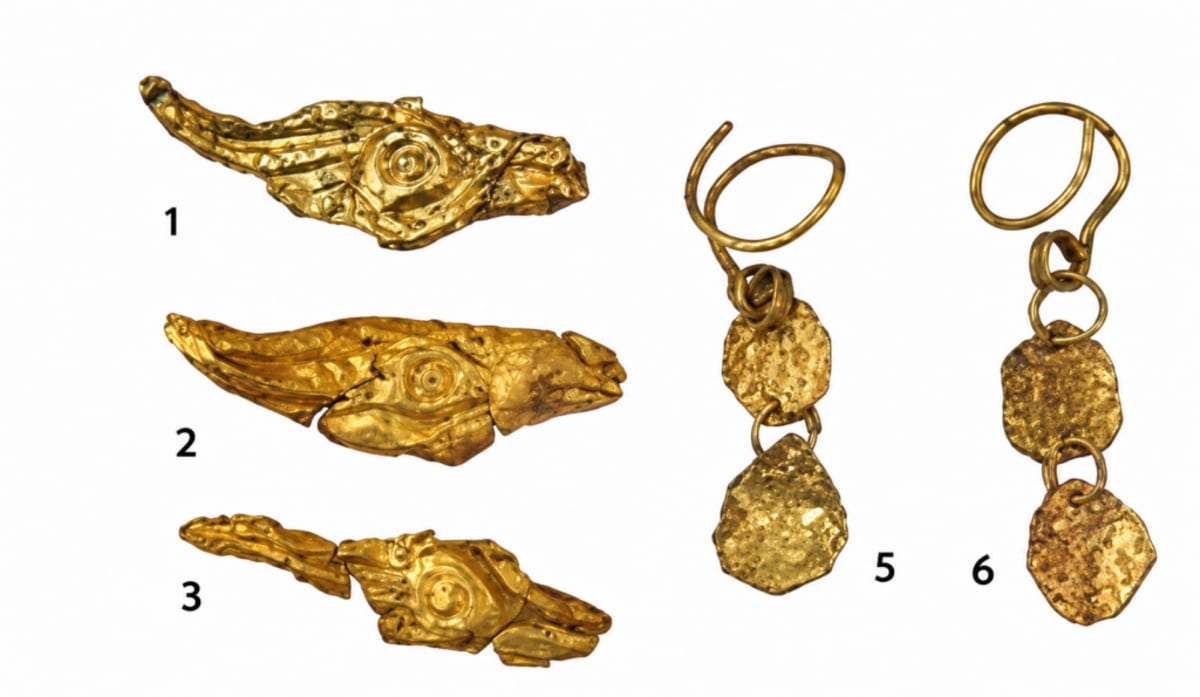
Archaeologists uncovered the rare Pazyryk headdress in Mound No. 31 at the Khankharinsky Dol cemetery, where the woman was laid to rest with jewelry and ritual items suggesting she held special status in her community. While the organic materials like felt and fabric had long since decomposed, 15 circular gold pieces and three golden saiga antelope head ornaments remained exactly where they had been sewn onto the original headdress.
The discovery stands out because saiga imagery rarely appears in Pazyryk art compared to more common animals like deer or sheep. These delicate antelope figures, along with elaborate gold earrings and a bronze neck ring wrapped in gold foil, paint a picture of someone important in her society.
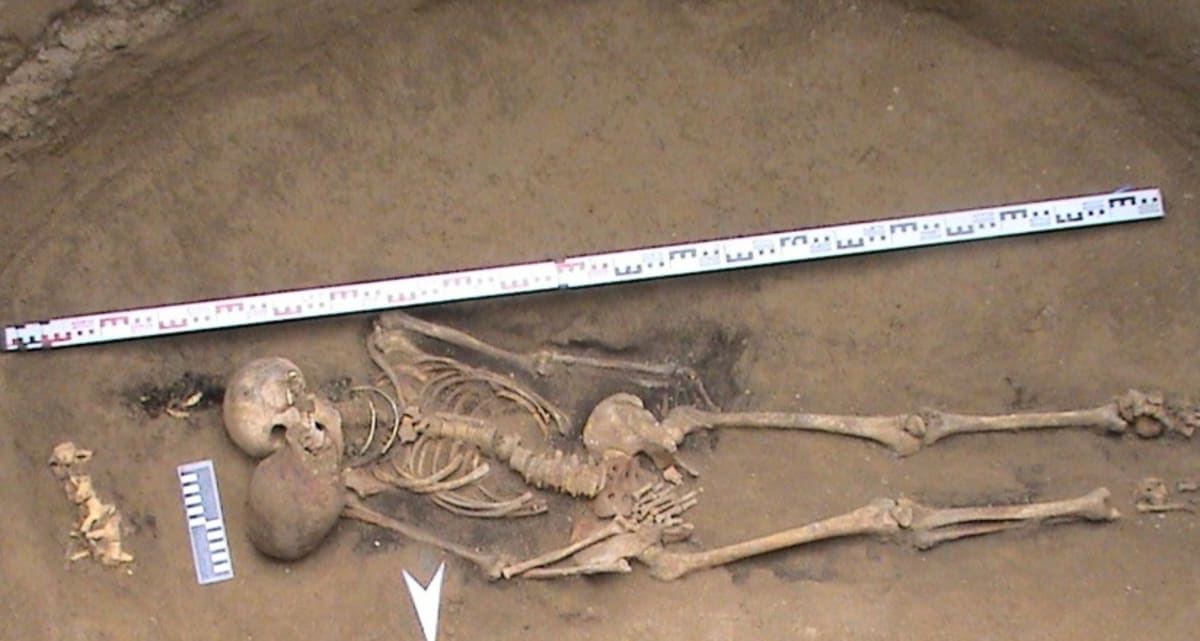
Interestingly, the woman's burial broke from tradition in several ways. Most Pazyryk people were buried curled on their right side, but she was laid flat on her back with her head facing east. Researchers believe this variation might reflect cultural exchange between mountain and foothill communities living in the region during the first millennium BC.
The headdress itself was smaller than other examples found nearby, measuring about nine inches tall compared to others reaching 15 inches. From a dark stain left in the soil and the position of the gold ornaments, archaeologists reconstructed what appears to have been a low headdress made from carbon-rich clay, hair, felt, and fabric.
What makes this find particularly valuable is that it survived at all. Unlike the famous frozen Pazyryk burials that preserve textiles spectacularly, most sites in this cemetery don't offer such perfect conditions. Here, the gold decorations acted like archaeological placeholders, marking the outline of something that had otherwise vanished completely.
Why This Inspires
This discovery reminds us that ancient societies honored and celebrated their people in deeply personal ways. The care taken to adorn this woman with golden animals, beautiful jewelry, and ritual objects shows that 2,300 years ago, communities in the Altai mountains valued individual lives enough to send them into eternity surrounded by beauty.
The Khankharinsky Dol cemetery has now yielded over 40 excavated features from the Scythian-Saka period, making it a treasure trove for understanding life in northwestern Altai. Each burial adds another voice to a conversation that began millennia ago, telling us that the human desire to remember, honor, and celebrate our loved ones hasn't changed at all.
This golden headdress waited centuries beneath Altai soil to share its story of artistry, status, and one woman's place in her ancient world.
##
More Images
Based on reporting by Google: archaeological discovery
This story was written by BrightWire based on verified news reports.
Spread the positivity!
Share this good news with someone who needs it