%2Fhttps%3A%2F%2Ftf-cmsv2-smithsonianmag-media.s3.amazonaws.com%2Ffiler_public%2F12%2F05%2F120524e1-9e51-48cf-8d22-2d033533e6ef%2Fodyssey-fragment.png)
2,300-Year-Old Odyssey Fragment Returns to NYC's Met Museum
One of the world's oldest surviving copies of Homer's Odyssey is back on display at New York's Metropolitan Museum of Art, featuring lines that don't appear in modern versions. The ancient papyrus fragment, dating to around 285-250 B.C.E., offers a rare glimpse into how this legendary tale evolved over centuries.
A piece of papyrus older than most ancient ruins is giving New Yorkers a chance to see how history's greatest adventure story looked 2,300 years ago.
The Metropolitan Museum of Art just put a rare fragment of Homer's Odyssey back on display. This isn't just any old copy. It's one of the earliest surviving pieces of the epic poem ever discovered, written in Egypt during the Ptolemaic period between 285 and 250 B.C.E.
The fragment comes from Book 20, where Odysseus finally returns home to Ithaca after a decade of wandering. He spends a restless night preparing to fight the suitors vying for his wife Penelope's hand. The goddess Athena appears in his dream to encourage him, while Zeus sends thunder as a good omen for the coming battle.
Ancient scribes created this copy using a stylus made from sharpened reed. They mixed water with lampblack, a carbon soot, to create the black ink still visible today. The careful weaving pattern of the papyrus itself can be seen through the Met's vertical glass display.
Here's where it gets really interesting. This ancient copy contains three lines that don't appear in the modern version of The Odyssey we read today. These aren't random additions. They're evidence that Homer's epic existed in many different versions across the ancient world.
"They were oral poems that were recited by bards across the land, and they would occasionally embellish and have different versions of these stories," explains Sean Hemingway, curator of the Met's Greek and Roman art department. Each storyteller added their own flavor while keeping the core tale intact.
The fragment might have once lived in the Library of Alexandria, founded around the same time this copy was created. That legendary library was the most important collection of Homeric texts in the ancient world and the first comprehensive public library ever built.
Why This Inspires
This fragment reminds us that great stories adapt and survive precisely because they mean something to each generation that tells them. The Odyssey was already 500 years old when this copy was made, yet scribes still cared enough to preserve it on precious papyrus.
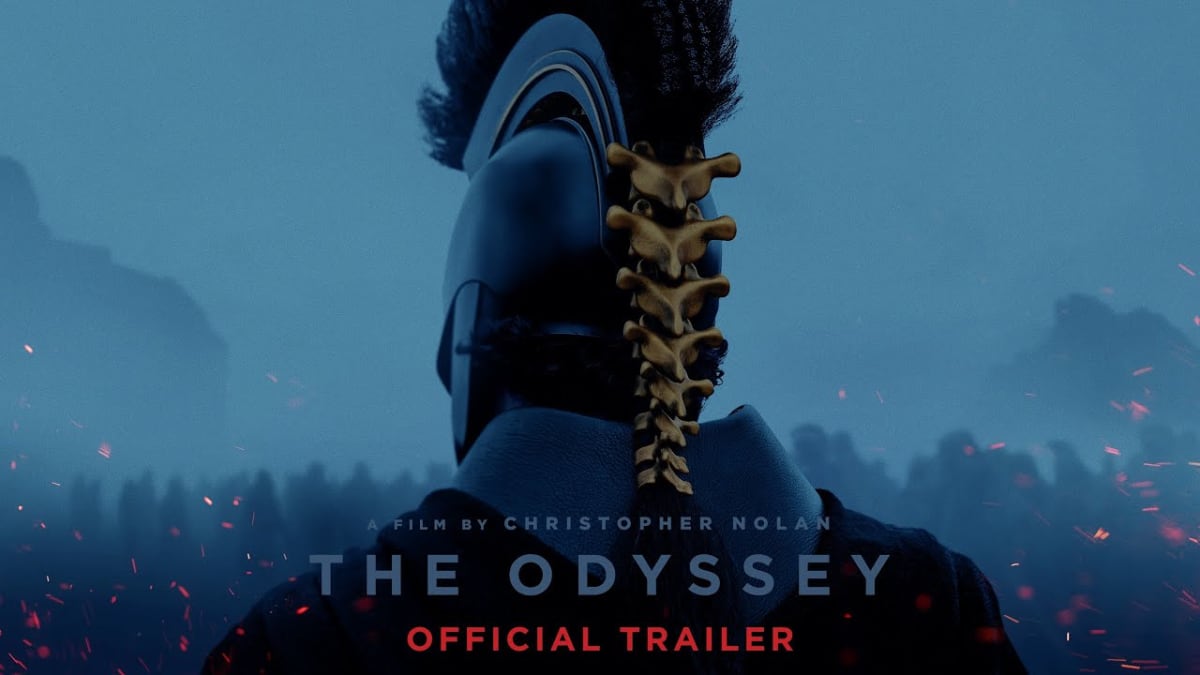
Today's renewed interest in Homer's epic, sparked by Christopher Nolan's recent film, shows the poem still resonates. Museums across the country are creating new ways for people to connect with this ancient tale. Boston's Museum of Fine Arts released a voice-acted audio tour. Chicago's National Hellenic Museum staged a mock trial for Odysseus (the jury found him not guilty of murder).
The Met's display includes six other artifacts bringing The Odyssey to life: a 2,500-year-old carved scarab showing the Trojan Horse, a terracotta jug depicting Odysseus with his bow, and a fresco of the cyclops Polyphemus gazing at the sea nymph Galatea.
Stories that matter find a way to survive, even if they change a little along the journey.
More Images
%2Fhttps%3A%2F%2Ftf-cmsv2-smithsonianmag-media.s3.amazonaws.com%2Ffiler_public%2F12%2F05%2F120524e1-9e51-48cf-8d22-2d033533e6ef%2Fodyssey-fragment.png)
%2Fhttps%3A%2F%2Ftf-cmsv2-smithsonianmag-media.s3.amazonaws.com%2Ffiler_public%2F12%2F05%2F120524e1-9e51-48cf-8d22-2d033533e6ef%2Fodyssey-fragment.png)
%2Fhttps%3A%2F%2Ftf-cmsv2-smithsonianmag-media.s3.amazonaws.com%2Ffiler_public%2F59%2Fd6%2F59d61a1b-2138-4b8d-bf71-465b428c1267%2Fdp118153.jpg)
Based on reporting by Smithsonian
This story was written by BrightWire based on verified news reports.
Spread the positivity!
Share this good news with someone who needs it