DNA Proves Women Led Ancient Societies, Rewriting History
For over a century, archaeologists assumed prehistoric women had little power. Now genetic evidence is revealing female warriors, leaders, and matriarchal societies that challenge everything we thought we knew about the past.
A skilled goldsmith buried near Stonehenge 4,000 years ago was assumed to be a man for two centuries. DNA testing revealed in July that she was a woman, joining a growing list of discoveries that are rewriting human history.
Ancient DNA analysis is sparking a revolution in archaeology. Scientists are uncovering evidence of powerful women throughout prehistory, from Viking warrior chiefs to female lineages that controlled inheritance at humanity's first farming communities.
The discoveries challenge assumptions that took root in the late 1800s, when British researchers rejected earlier evidence of female-led societies. For the next century, archaeologists minimized women's roles, sometimes describing them as mere property traded alongside livestock.
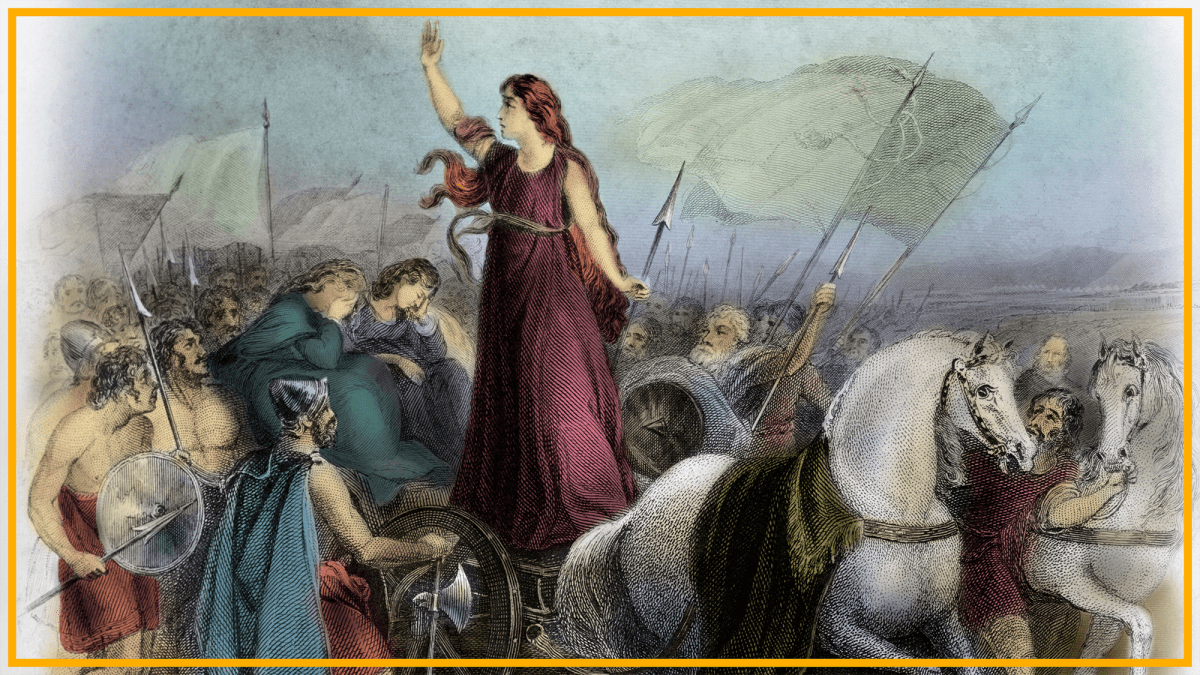
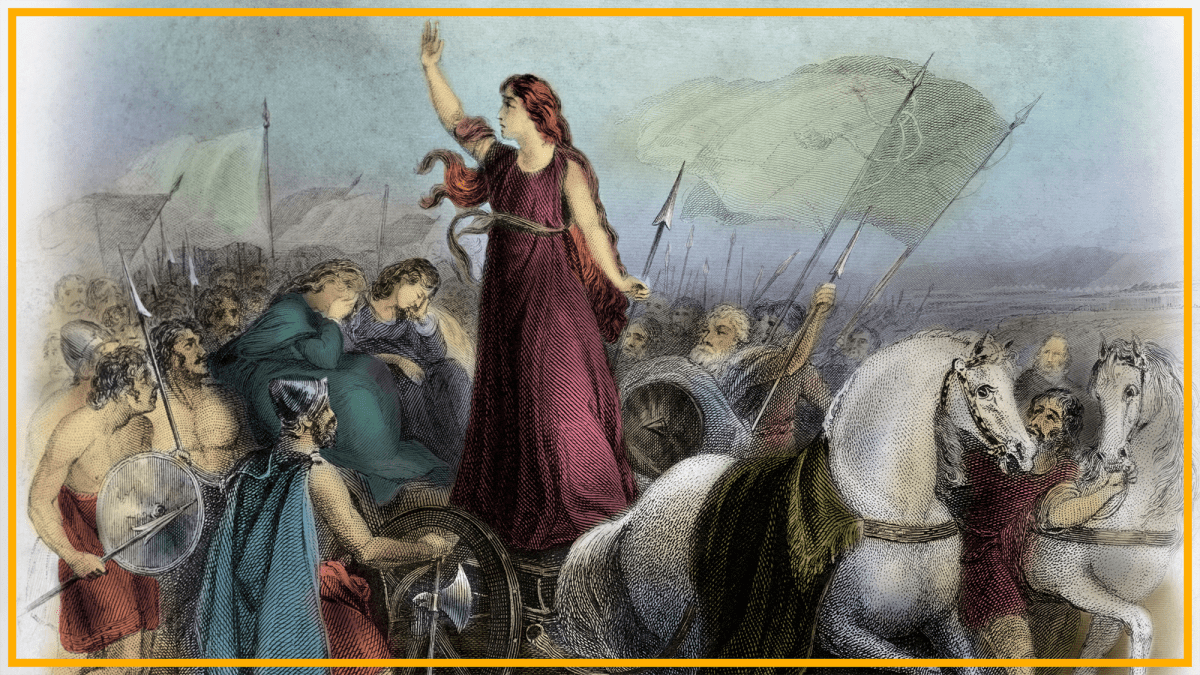
The bias shaped how researchers interpreted their findings. When graves contained weapons and riches, archaeologists assumed male occupants or argued that women were simply displaying their husbands' wealth. Even when classical texts described warrior queens like Boudica fighting Rome, scientists dismissed the accounts.
German archaeologists began questioning these assumptions in the 1970s, finding evidence of high-status women at Iron Age sites. By the 2000s, cemetery analyses revealed men and women received equal treatment at death, while skeletal studies confirmed some women actually fought in battles.
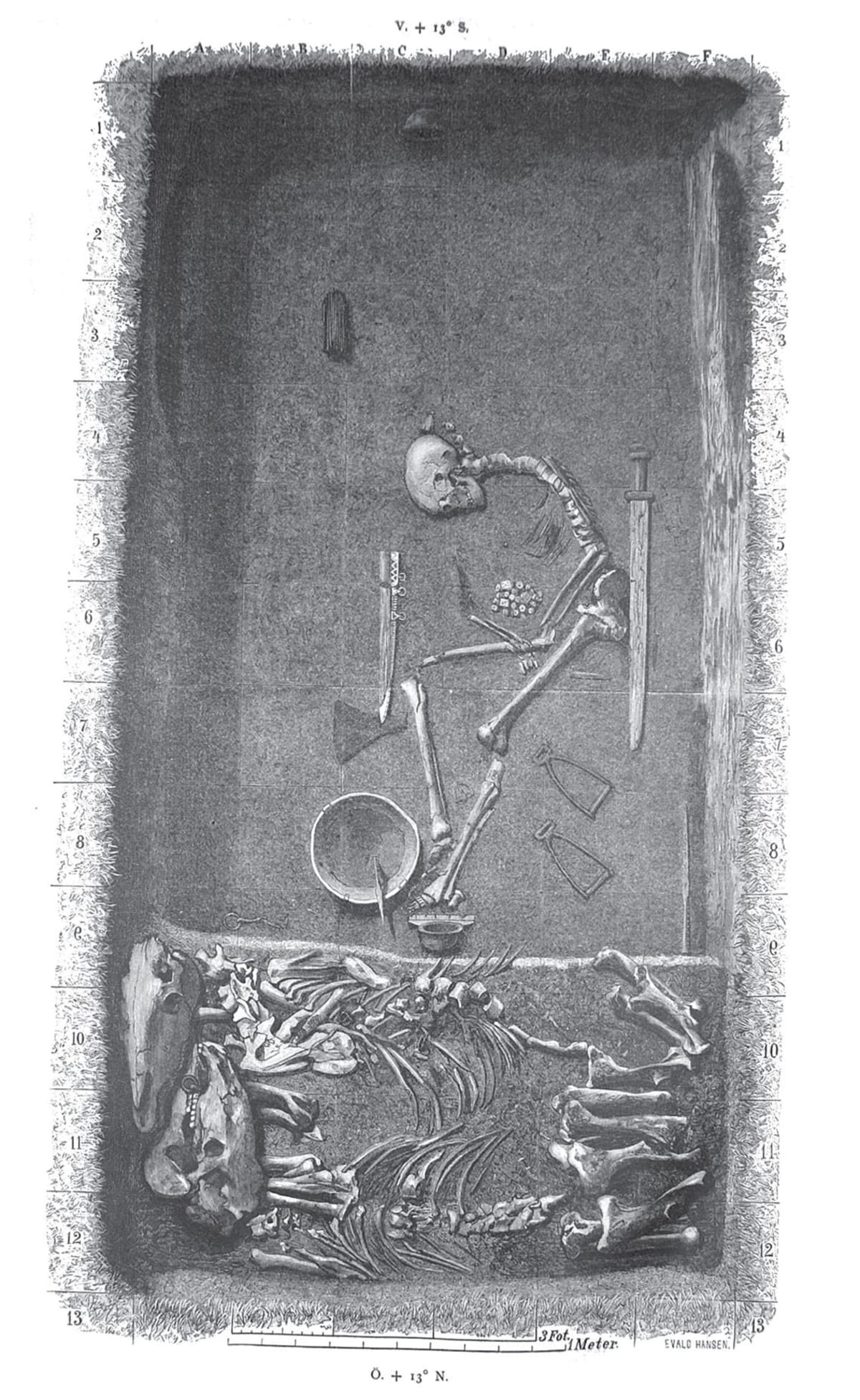
The most dramatic shift came in 2017, when DNA proved that a Viking warrior leader buried with full military honors in Sweden was female. Some researchers initially challenged the science rather than accept the finding, showing how deeply rooted the biases ran.
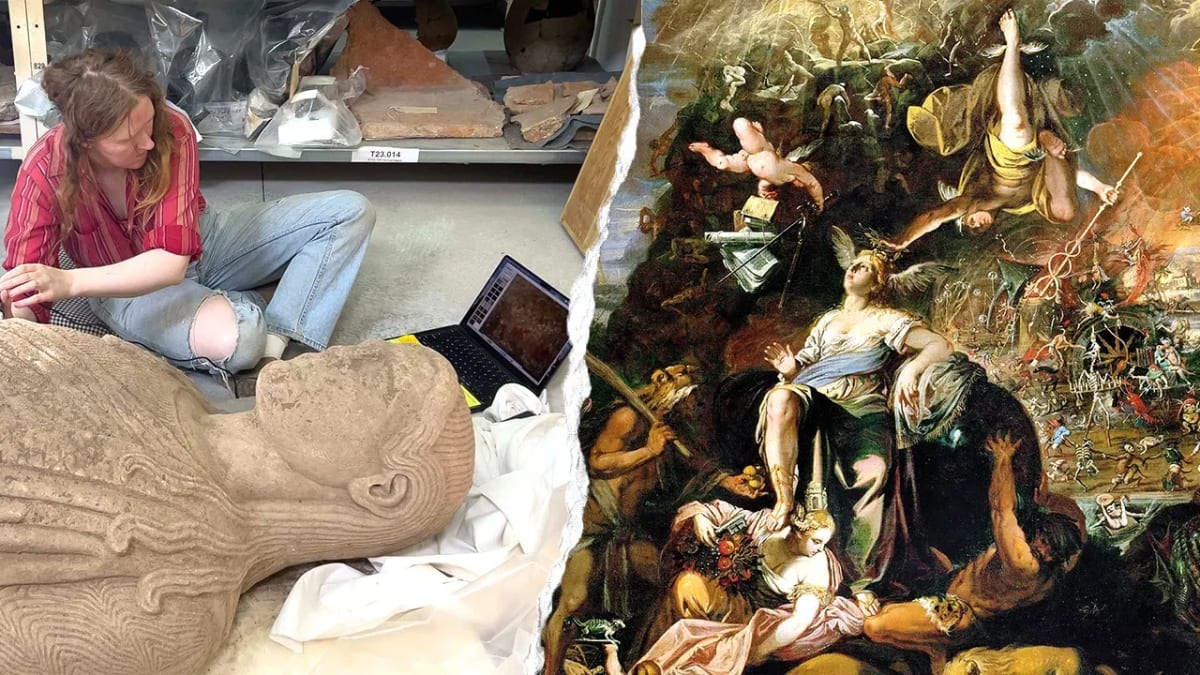
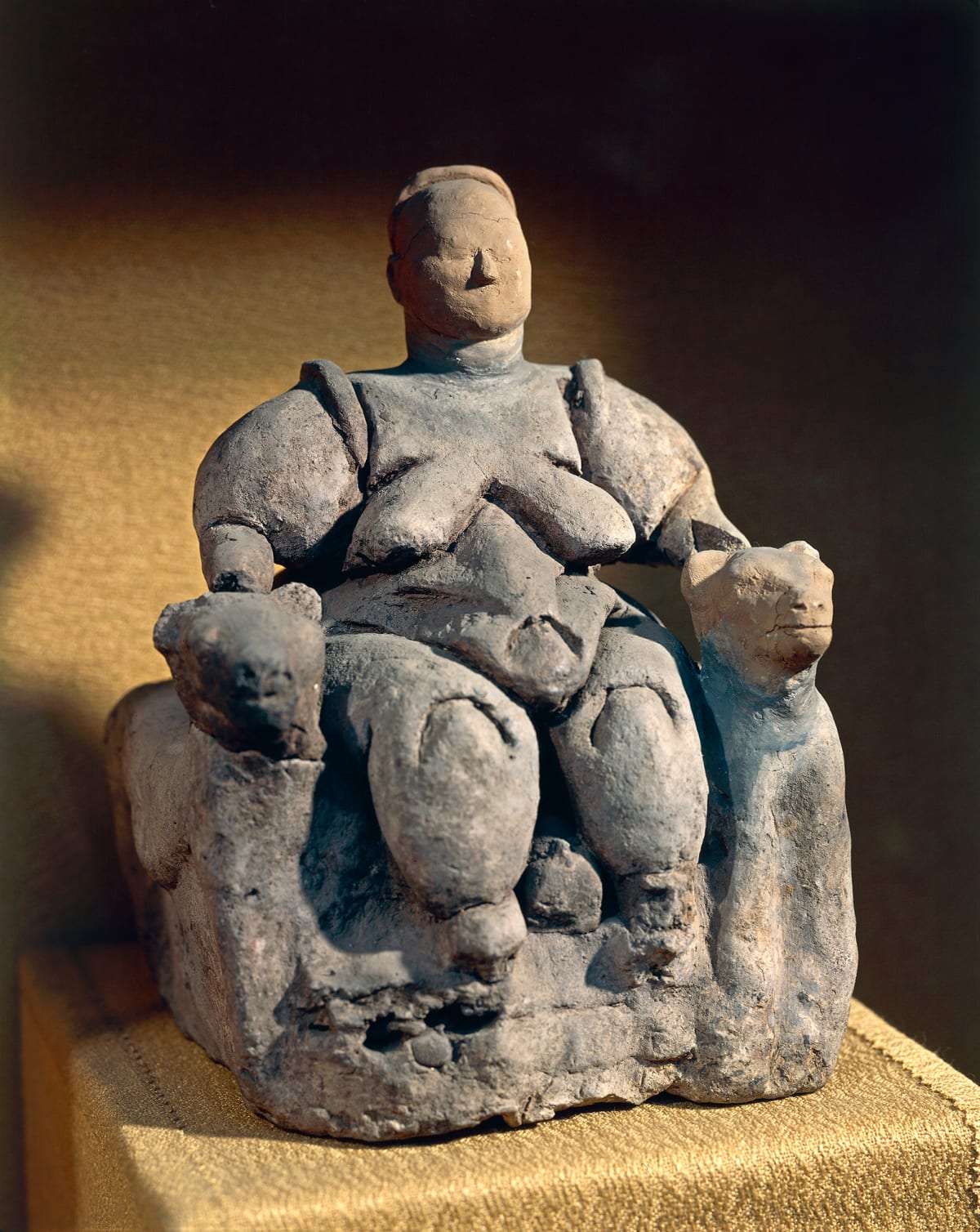
This year brought another breakthrough. A team of nearly 50 scientists analyzed remains from Çatalhöyük, one of humanity's first farming communities from 7000 to 6000 B.C. The burial practices prioritized female offspring and descendants, suggesting inheritance passed through women.
The finding vindicated scholar Marija Gimbutas, who argued in the 1960s and 1970s that archaeological evidence pointed to matriarchal prehistoric societies. Professors at Cambridge taught an entire generation that she was fundamentally wrong.
Why This Inspires
This transformation in archaeology represents more than correcting old mistakes. It reveals how modern biases can blind us to evidence that's been sitting in plain sight for centuries, and how new technology combined with open minds can recover lost truths about humanity.
The genetic revolution is showing that women's roles throughout history were far more varied and powerful than anyone imagined. From warriors to craftspeople to society leaders, women shaped civilizations in ways that patriarchal assumptions erased from our collective memory.
Each new discovery adds another piece to the puzzle of who we really were as a species, proving that progress isn't just about looking forward but also about honestly examining our past.
More Images

Based on reporting by Live Science
This story was written by BrightWire based on verified news reports.
Spread the positivity!
Share this good news with someone who needs it