Irish Heat Wave Uncovers 1,000-Year-Old Island Home
A scorching Irish summer has revealed an ancient crannóg—a man-made island dwelling—hidden beneath the waters of Lough Fee in Connemara for centuries. The discovery near Oscar Wilde's family retreat shows how climate challenges can unexpectedly illuminate our shared human history. #
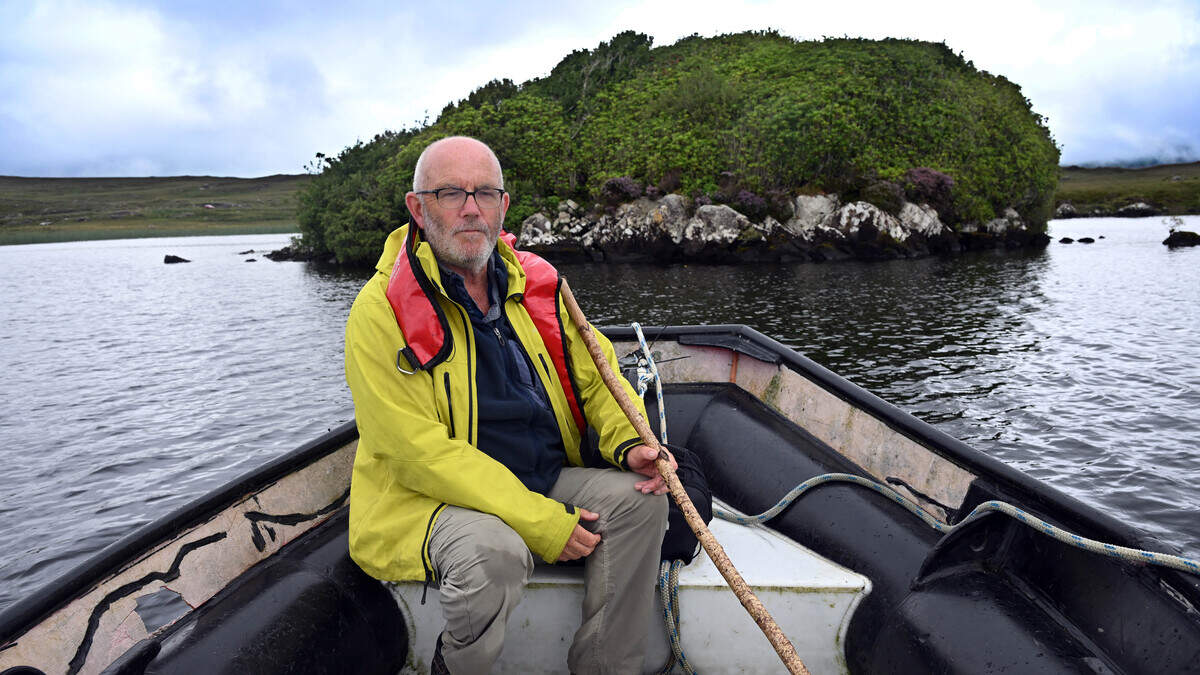
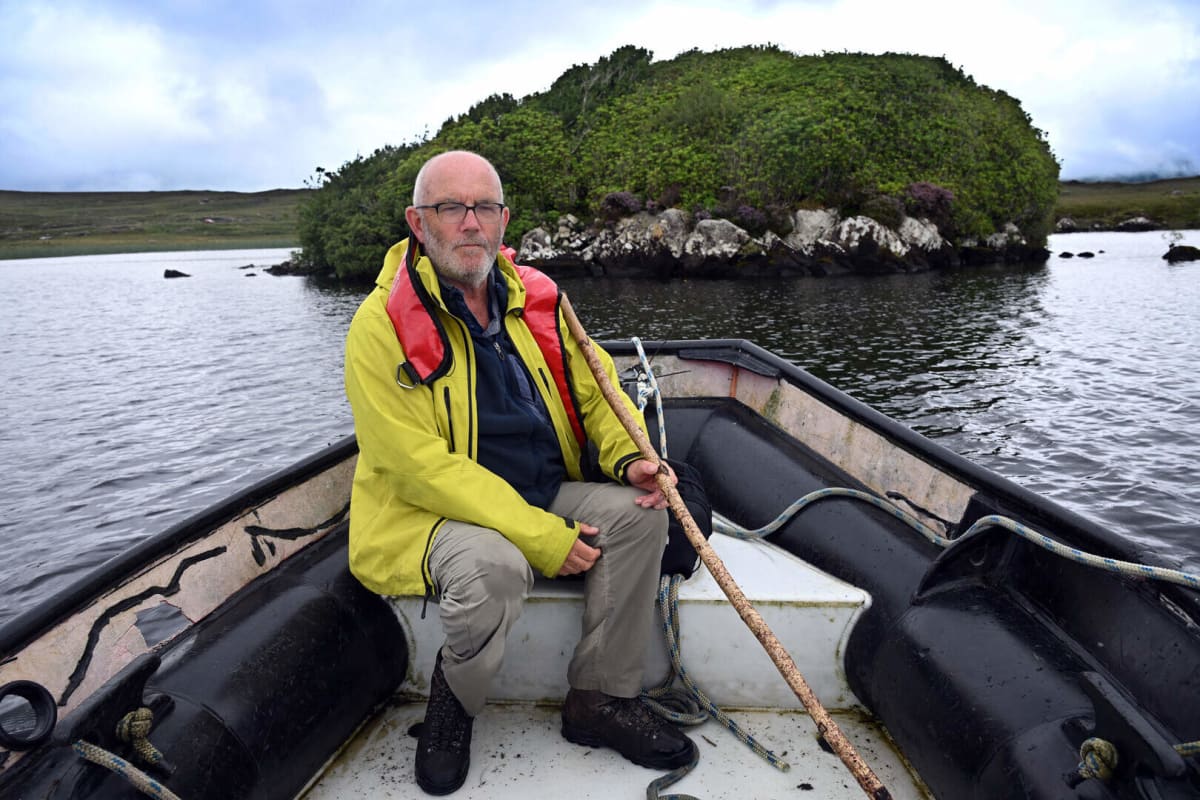
A scorching Irish summer has revealed an ancient crannóg—a man-made island dwelling—hidden beneath the waters of Lough Fee in Connemara for centuries. While the dry spell has challenged Irish farmers, it's also pulled back the curtain on a remarkable piece of the past.
Archaeologist Michael Gibbons discovered the structure in the receding waters near the former holiday home of Oscar Wilde's parents. Crannógs were ingeniously crafted artificial islands built on wooden platforms, where families lived anywhere from 1,000 to 2,500 years ago.
These homes weren't simple shelters. Ancient Irish communities transported stones, timber, and earth to build secure living spaces surrounded by water, creating protection from both wildlife and unwelcome visitors.
The Lough Fee crannóg joins a growing list of archaeological treasures emerging from Ireland's extended warm weather. Across the country, lowered water levels and parched earth are revealing forgotten settlements, tools, and pathways that paint a richer picture of how people lived on the island centuries ago.
The Bright Side
Ireland's unusual weather is creating unexpected opportunities for archaeologists to study sites that have been underwater for generations. Each discovery adds new chapters to the story of human ingenuity and resilience.
The Connemara region, known for its wild beauty and literary connections, now holds an even deeper significance. The crannóg reminds us that people have always adapted to their environments with creativity and determination.
Gibbons and his team are documenting the structure while it remains visible, knowing that returning rains could submerge it again. These windows of opportunity allow researchers to gather information that would otherwise require extensive underwater excavation.
The discovery near the Wilde family retreat creates a poetic connection between Ireland's literary golden age and its ancient past. Both eras showcase the island's enduring spirit of survival and imagination.
As climate patterns shift globally, archaeologists worldwide are finding similar silver linings. Melting glaciers in Norway have revealed Viking-era trade routes, while droughts in Europe have exposed Roman settlements.
The Lough Fee crannóg stands as proof that our ancestors faced their own environmental challenges and responded with remarkable innovation, building homes that have survived millennia to inspire us today.
#
More Images


Based on reporting by Google: archaeological discovery
This story was written by BrightWire based on verified news reports.
Spread the positivity!
Share this good news with someone who needs it