Germany's Raccoons Get a Fresh Start After Nazi Myth Busted
Scientists have debunked the dark urban legend that Nazi commander Hermann Göring personally introduced raccoons to Germany. New research reveals the real story behind Europe's two million raccoons is far less sinister and much more hopeful.
For decades, Germans believed their country's raccoon population began with a Nazi war criminal's whim, but scientists just proved that story was wrong all along.
Archival research by Eberhard Leicht, former head of the Vöhl Forestry Office, uncovered the truth about Germany's famous raccoons. The legend claimed Hermann Göring personally ordered the release of North American raccoons near Kassel in 1934, with some even believing he attended the event himself.
But the files tell a different story. Leicht discovered that while an application to release raccoons was made during Göring's time overseeing forestry, there's zero evidence he was involved. The process was simply routine paperwork handled by local officials.
The real story is beautifully ordinary. One April morning in 1934, officials released two pairs of raccoons from crates near Lake Edersee to "enrich the fauna." No grand conspiracy, no sinister plot. Just an administrative decision that changed Germany's ecosystem forever.
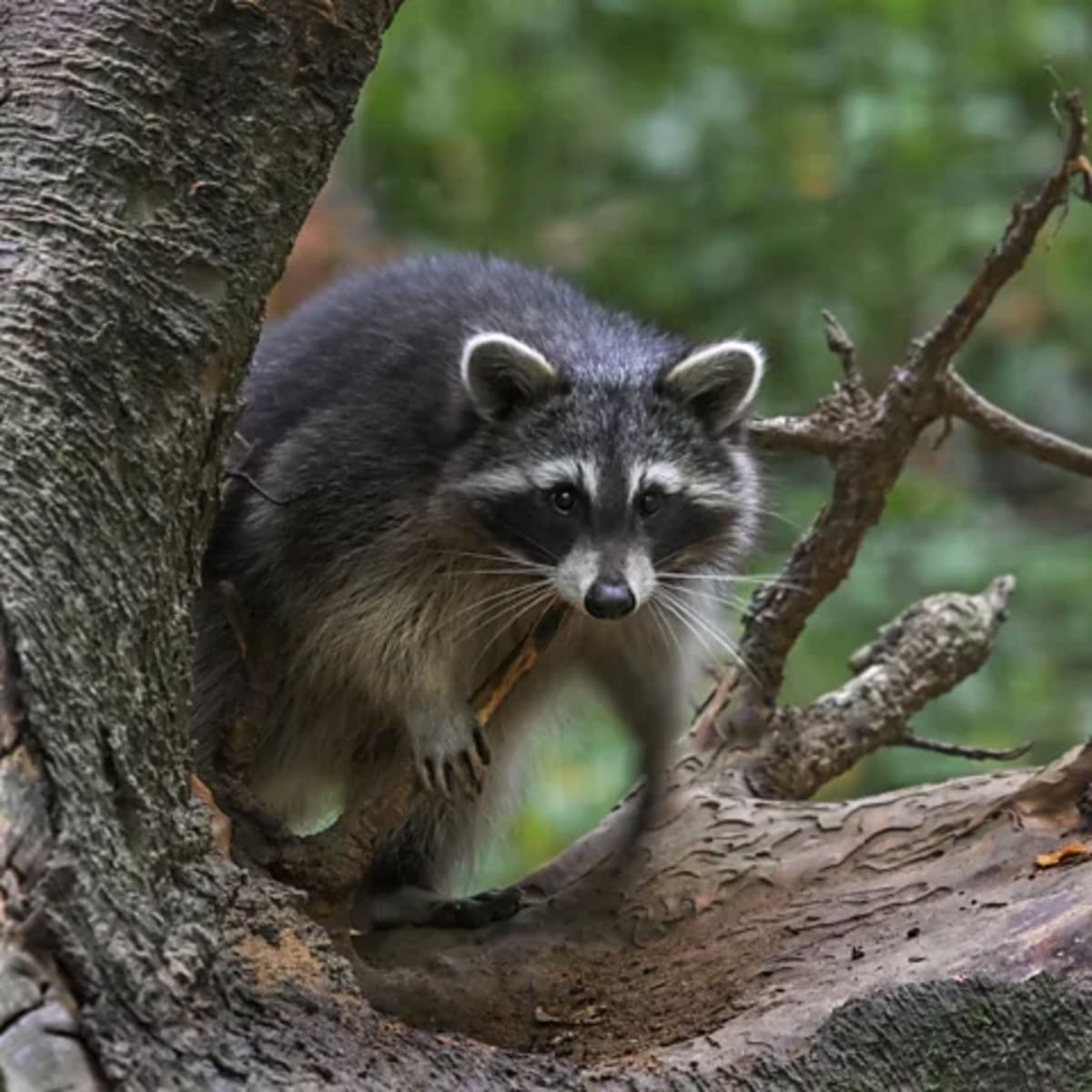
Today, those original four raccoons have descendants numbering around two million across Germany. Kassel earned the nickname "raccoon capital of Europe" with about 30,000 raccoons calling the city home.
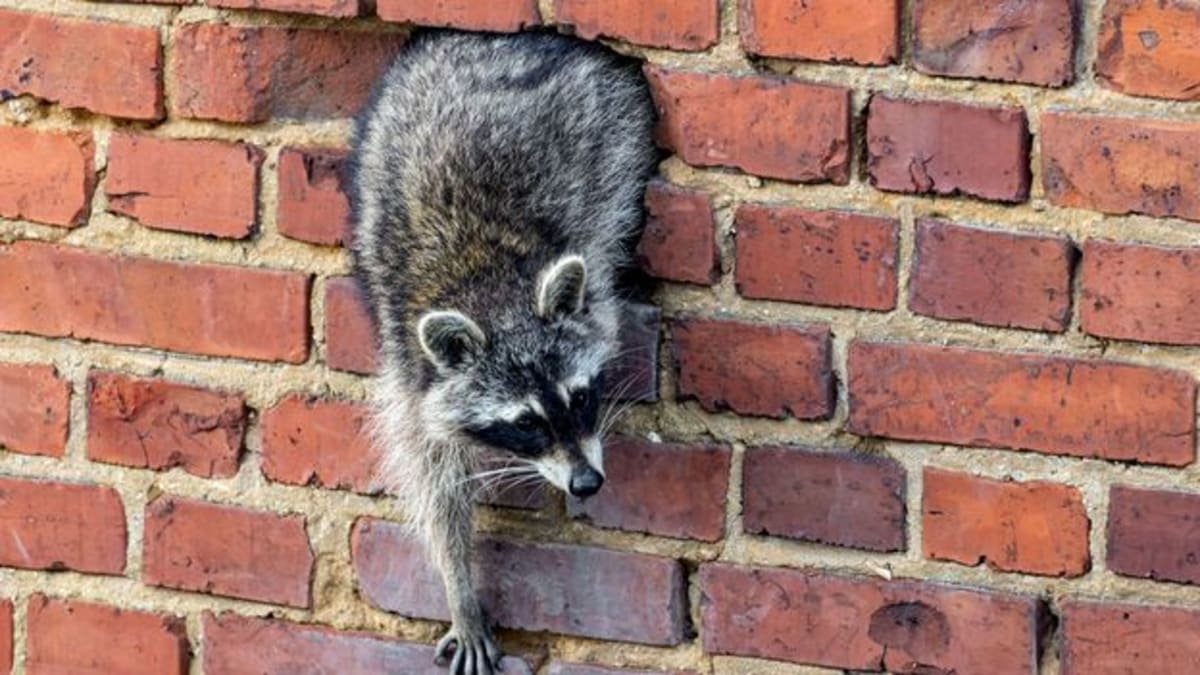
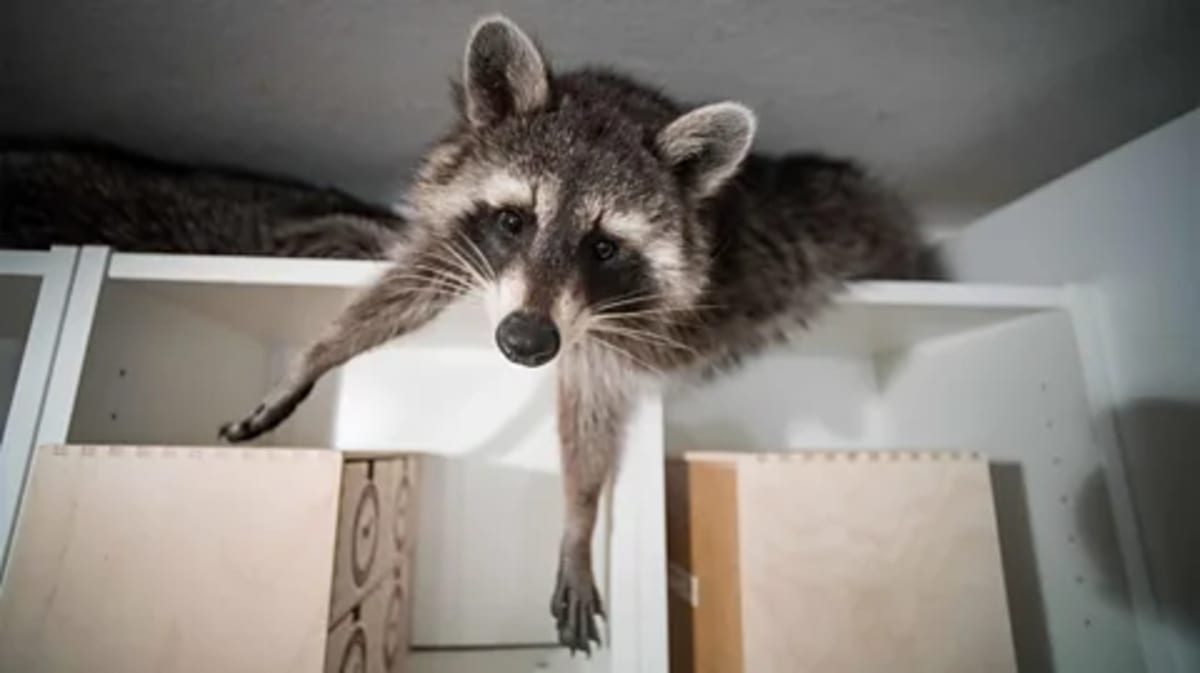
Wildlife ecologist Berit Michler from Germany's Thünen Institute studies these clever creatures, known in German as Waschbär or "wash bear" for their habit of dunking food in water. She notes they can climb almost anything and adapt remarkably well to both forests and cities.
Zoologist Alain Frantz from the Luxembourg Museum of Natural History took the research further, analyzing DNA from over 400 raccoons. He discovered evidence of four separate introduction events, not just two. This genetic diversity actually helped the population thrive without the inbreeding problems that plague other invasive species.
Why This Inspires
This story reminds us that sometimes the truth is better than the myth. Instead of being symbols of a dark past, Germany's raccoons represent nature's incredible resilience and adaptability.
The raccoons aren't villains or victims of Nazi schemes. They're simply animals making the most of a new home, thriving across borders from Spain to Sweden. Their success shows how life finds a way, regardless of how it begins.
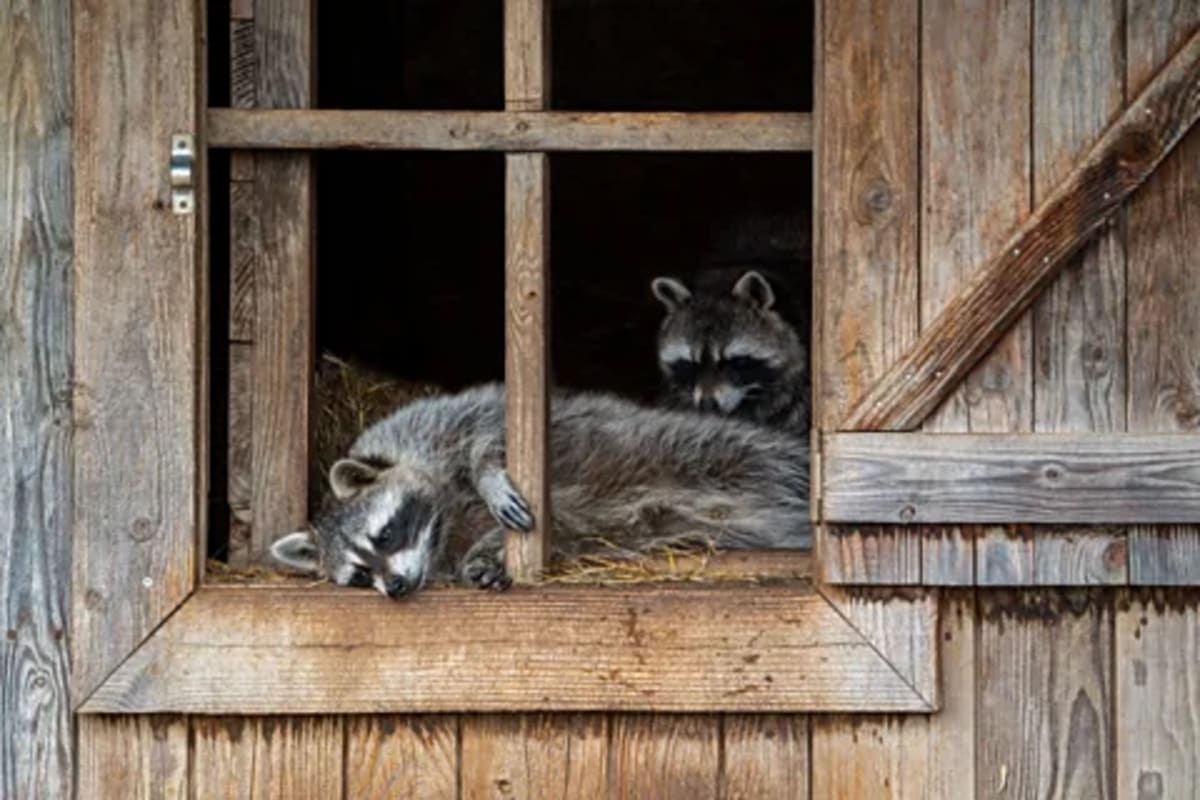
Setting the record straight matters because these intelligent, resourceful animals deserve their story told accurately. They've been called bandits and gangsters, blamed for chaos at Christmas markets and communal toilets in attics, but they're just doing what raccoons do best: adapting and surviving.
The research gives both the raccoons and history a fresh start, free from false Nazi connections.
More Images
Based on reporting by BBC Future
This story was written by BrightWire based on verified news reports.
Spread the positivity!
Share this good news with someone who needs it