240-Million-Year-Old Fossil Reshapes Dinosaur Timeline
Scientists discovered a new species of ancient animal in Tanzania that's rewriting when and where dinosaurs first appeared. The 240-million-year-old fossil sat in a museum for 60 years before revealing its secrets.
A fossilized skeleton that spent six decades collecting dust in a London museum has just solved a puzzle about the dawn of dinosaurs.
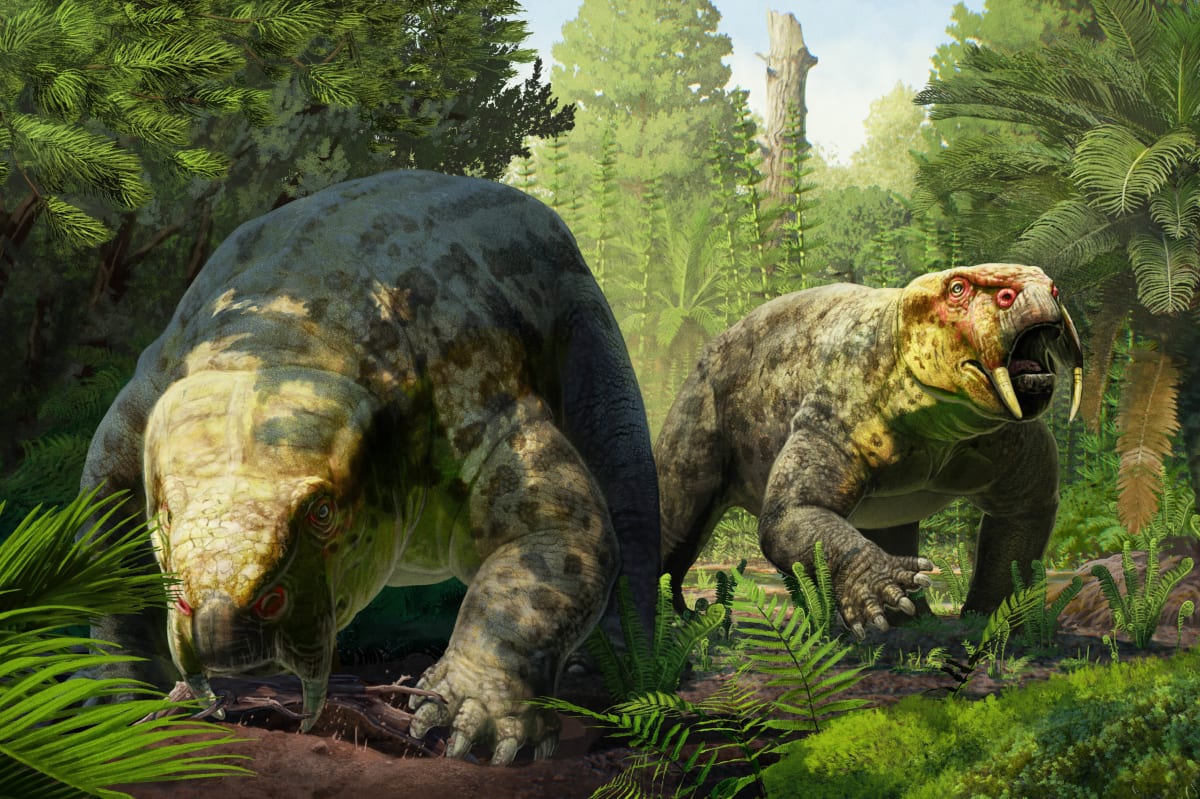
Researchers at the University of Bristol identified a new species called Dinodontosaurus isiyavamanda, a cow-sized herbivore that roamed Tanzania 240 million years ago. The discovery isn't just about finding another ancient animal. It's changing our understanding of when dinosaurs first walked the Earth.
The fossils were collected during a 1963 British expedition to Tanzania but were only partially studied at the Natural History Museum in London. Lead researcher Hady George, a PhD student, realized these bones belonged to a genus previously known only from South America.
Finding Dinodontosaurus on two continents created an unexpected connection. The Tanzanian rocks holding these fossils are the same deposits that produced what scientists thought were the oldest dinosaur remains ever found.
The Ripple Effect
The discovery suggests those "oldest dinosaurs" from Tanzania might be up to 10 million years younger than previously believed. By linking the Tanzanian and South American rock layers through this shared species, scientists can now refine the entire timeline of early dinosaur evolution.
This means the story of where and when dinosaurs emerged needs a rewrite. The Tanzanian site can no longer claim the title of preserving the oldest potential dinosaur fossils, prompting researchers worldwide to reassess their theories.
Co-author Nigel Larkin from the University of Reading studied this exact skeleton for his master's thesis 30 years ago. He suspected it was a new species but waited decades for technology to catch up. Modern micro-CT scanning revealed details impossible to see in the 1990s.
The new species name honors the Wamanda people who live in the region where the fossils were found. It's a dicynodont, part of a mammal-lineage group that thrived before dinosaurs took over.
Dr. Mike Day from the Natural History Museum emphasized how museum collections continue yielding discoveries. The institution has cared for these fossils for over 60 years, waiting for the right moment and tools to unlock their secrets.
Mountains of Tanzanian Dinodontosaurus material still await examination in museum drawers. Future research will explore how multiple large plant-eating species managed to share the same ecosystem during the Triassic period, painting a fuller picture of life before dinosaurs dominated the planet.
Sometimes the most groundbreaking discoveries don't require new expeditions, just fresh eyes on old treasures.
Based on reporting by Google: fossil discovery
This story was written by BrightWire based on verified news reports.
Spread the positivity!
Share this good news with someone who needs it